A Day Saved by Rails
After a few days spent exploring Portland, Oregon, my wife and I made one final birding stop before heading home. We returned to Ridgefield National Wildlife Refuge, a place that has quickly become one of my favorite birding locations after only two visits.
Ridgefield is essentially one large driving loop winding through wetlands, fields, and marshes. For birders with mobility or accessibility concerns, it is an exceptional destination. Most of the refuge can be experienced from the comfort of a vehicle, with a small trail and viewing area located near the midpoint of the drive.
The day did not begin with high expectations for birding.
We had breakfast plans with friends before heading north, which meant a later start than I had hoped for. Migration was largely over. It was the middle of the day. Traffic was heavier than usual. After a less-than-peaceful weekend, my mind was already halfway home before we even arrived.
But that is one of the things I love most about birding.
The simplest moment can completely change the course of a day.
Within the first quarter mile of the drive, my mood began to shift.
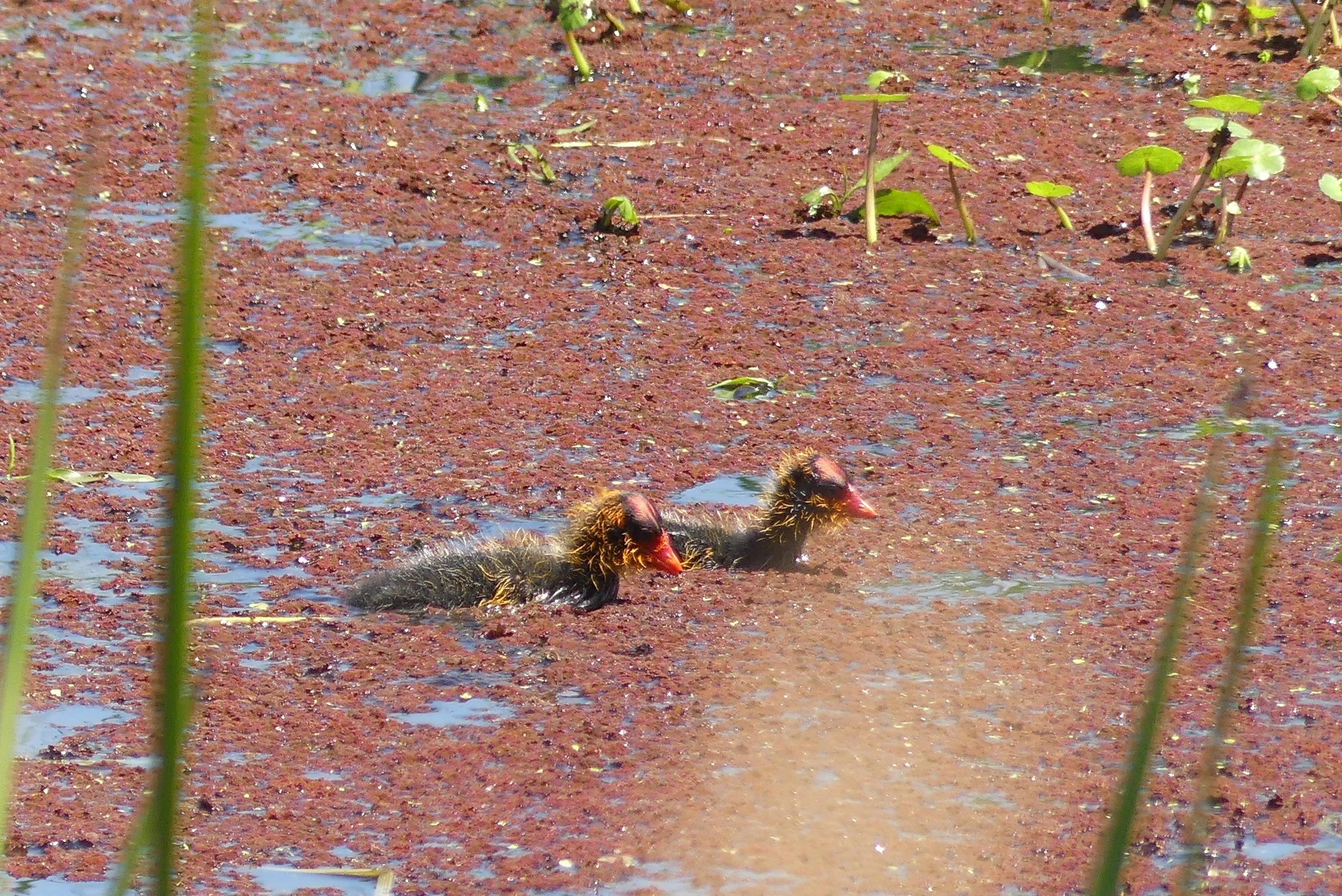
A Yellow-headed Blackbird made an appearance. Not a rarity, but only my second sighting of the species. Then came a group of American Coots with several young chicks sporting their bright red and orange heads. A fellow birder nearby explained that those vibrant colors only last a few days to a week. Suddenly an ordinary sighting became something special.
Then I heard it.
A Virginia Rail calling from the reeds just off the road.
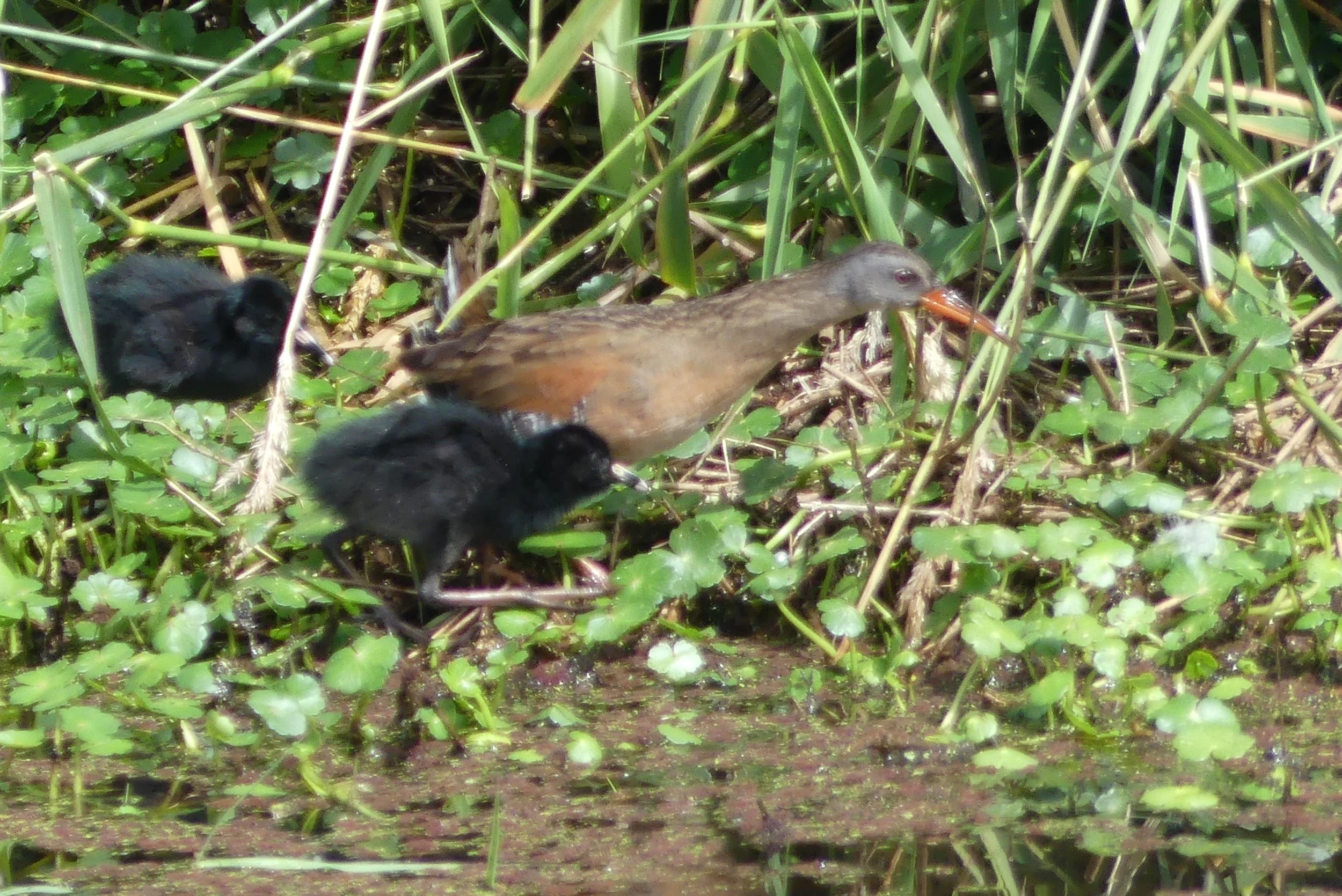
I scanned the ditch for a few seconds and found the source. Not one rail, but an adult with two young birds moving through the vegetation. I immediately called over the woman who had been watching the coots nearby. By the time she arrived, the rails had disappeared back into the reeds.
So we waited.
A few moments later they emerged again, giving both of us fantastic views. She mentioned that it was a lifer for her and that I had made her day.
The truth is, she had made mine as well.
Birding has a way of creating brief partnerships between strangers. For a few minutes, we weren't simply two people standing beside a roadside ditch—we were sharing the excitement of a bird emerging from the reeds.
With my spirits fully restored, I continued toward the midpoint trail.
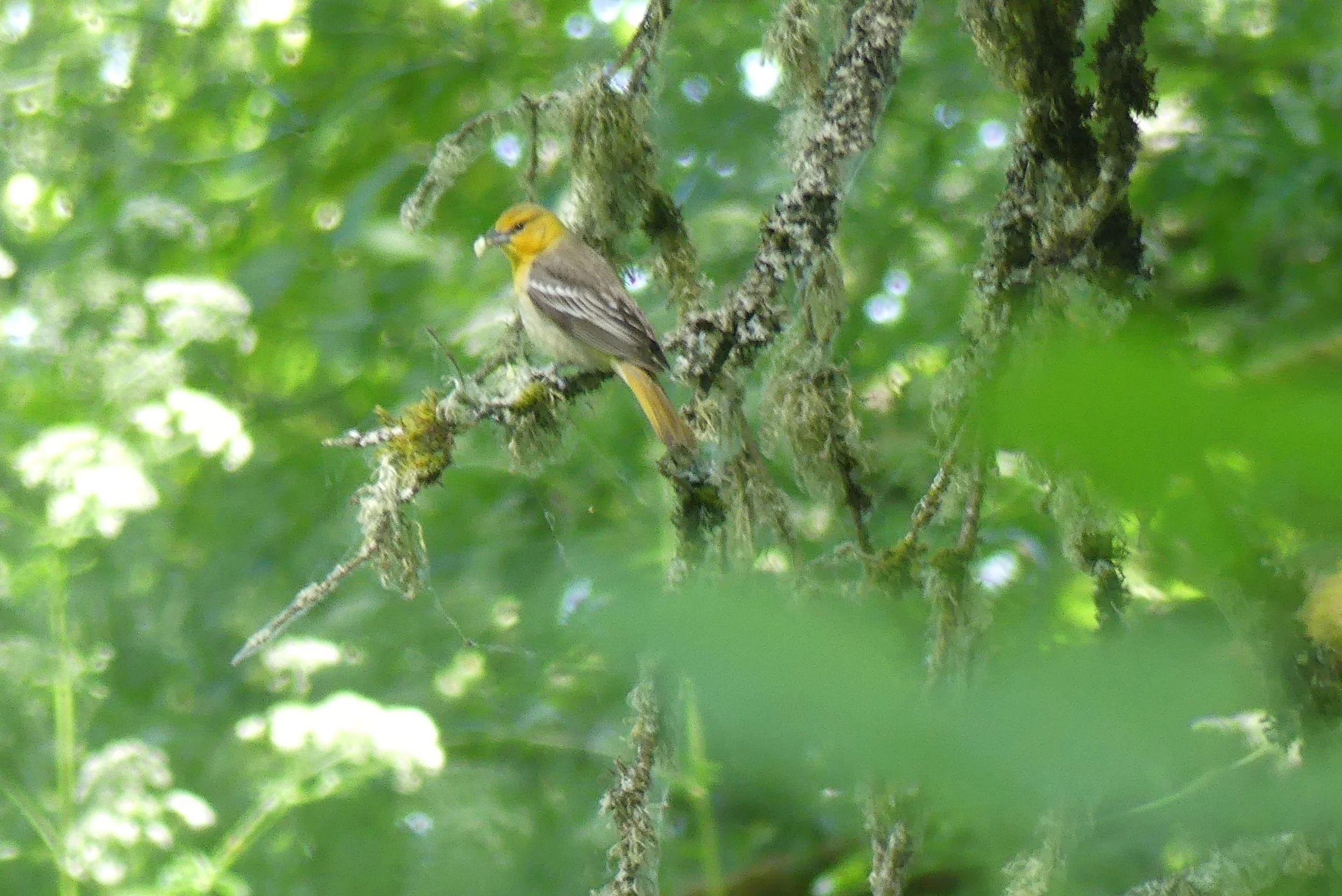
The trail itself is only a few hundred feet long, but it may be the most productive 300 feet in the refuge. Swallows zipped overhead in every direction. A female Bullock's Oriole appeared along the edge of the trail, and I was able to watch her fly directly to her nest hanging just above the path.
Once again, I shared the discovery with a nearby group of birders. For several of them, it was their first good look at a Bullock's Oriole.
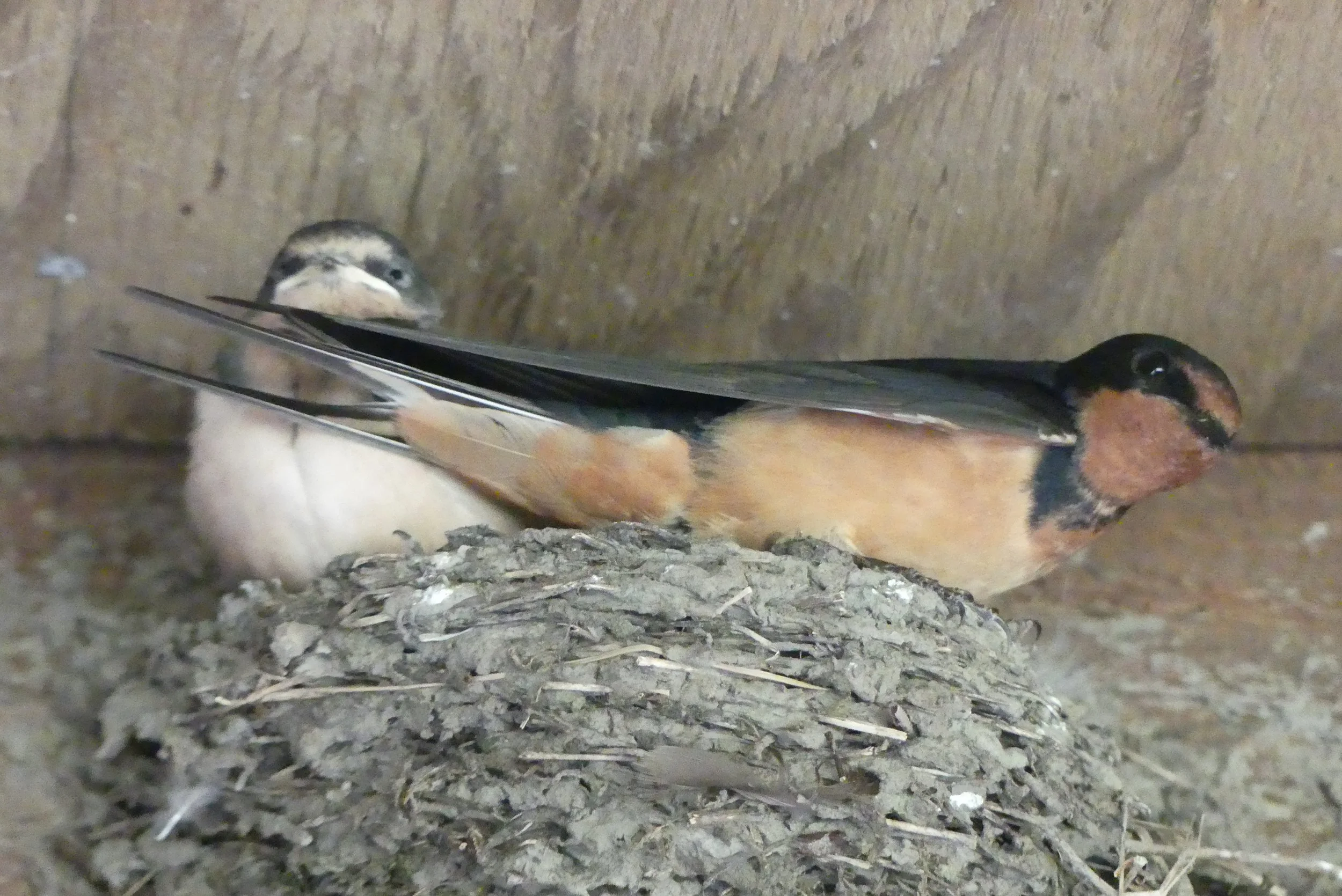
Farther down the trail, the activity only increased. Barn Swallows swooped within inches of my head as they tended nests tucked beneath the viewing platform. Looking over the railing, I was surprised to find yet another Virginia Rail directly below me, providing the best views of the day.
As I stepped off the platform, a Black Phoebe bounced among the low branches nearby.
On the walk back, I ran into my newfound birding companion from earlier. I told her about the oriole, though it had since disappeared. While we waited and searched, I heard the familiar call of a Willow Flycatcher from the woods.
Finding the bird proved more difficult than hearing it.
Several minutes passed before I finally picked it out among the branches. We both got our binoculars on it, and just like that another lifer was added to our lists.
Together.
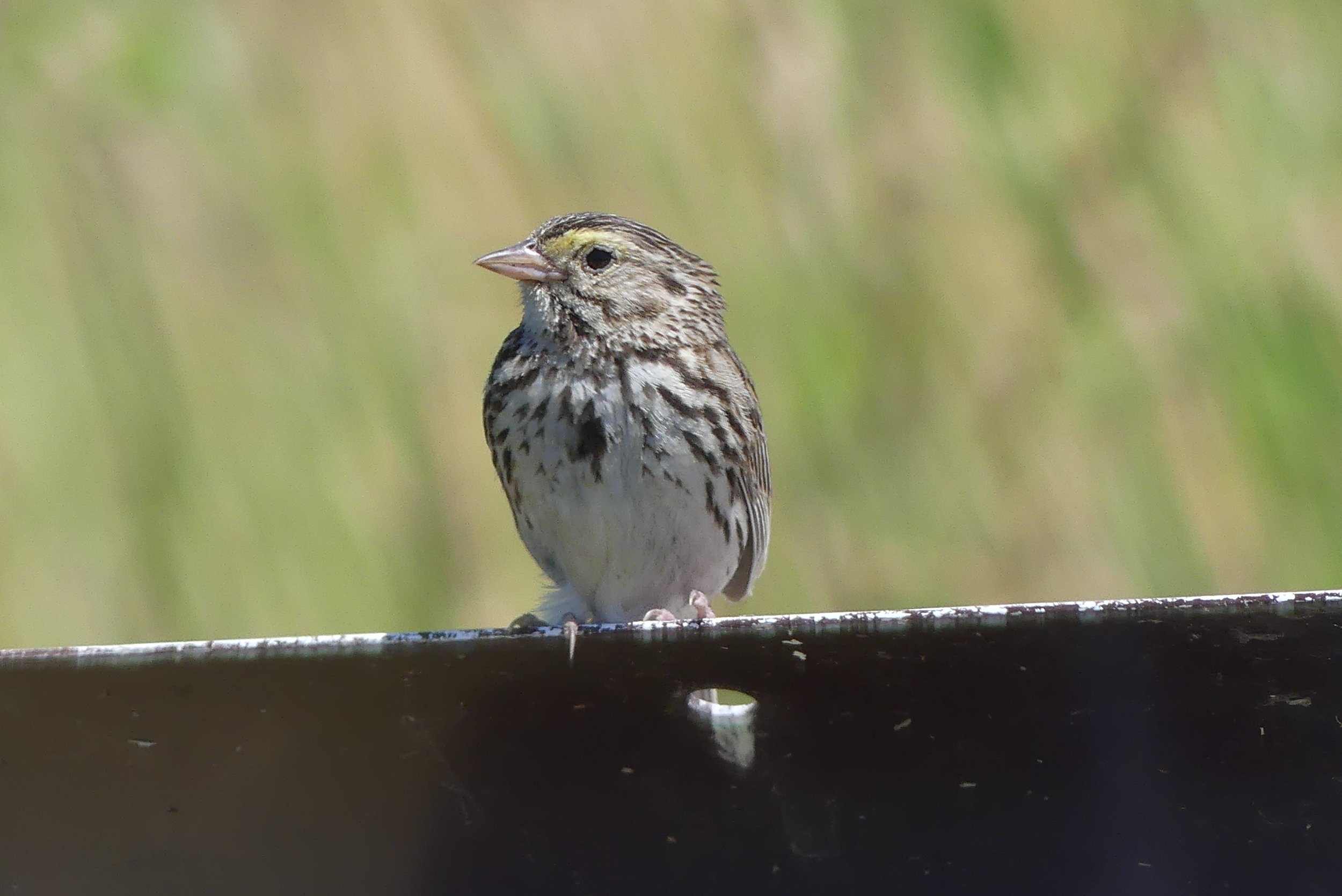
The remainder of the driving loop was quieter but no less enjoyable. Great Egrets patrolled the wetlands. Savannah Sparrows sang from the fields. A Western Wood-Pewee called from the trees.
Looking back, many of the day's highlights involved young birds. American Coot chicks with their impossibly bright heads, young Virginia Rails following an attentive parent, active swallow nests, and a female Bullock's Oriole tending her own nest. The refuge wasn't just full of birds—it was full of the next generation.
The birds were wonderful, but what stayed with me most were the shared moments. A rail appearing from the reeds. An oriole nest discovered above the trail. A flycatcher finally located after several minutes of searching.
Ridgefield continues to surprise me because every visit feels different. The wetlands always seem to have another story hiding in the reeds.
I arrived expecting a quiet stop before the drive home. Instead, I left with rails, orioles, fledglings, a few shared lifers, and a renewed appreciation for why I love birding in the first place.
Field Notes - Ridgefield NWR
Location: Ridgefield National Wildlife Refuge, Washington
Date: June 21, 2026
Habitat: Wetlands, marshes, fields, riparian woodland
Conditions: Warm midday conditions, light traffic through the refuge
Species Highlights
Virginia Rail (adult with two young)
Yellow-headed Blackbird
Bullock's Oriole
Willow Flycatcher
Black Phoebe
American Coot (adults and young)
Great Egret
Savannah Sparrow
Western Wood-Pewee
Barn Swallow
Notable Behavior
Virginia Rail observed twice, including an adult accompanied by two young birds.
Female Bullock's Oriole observed flying directly to an active nest.
Barn Swallows actively tending nests near the viewing platform.
American Coot chicks displaying bright red and orange juvenile coloration.
Shared lifer sightings with a fellow birder, including Virginia Rail and Willow Flycatcher.