Nisqually Migration
A spring morning at Billy Frank Jr. Nisqually National Wildlife Refuge already feels alive, but during migration the refuge becomes almost nonstop movement and sound.
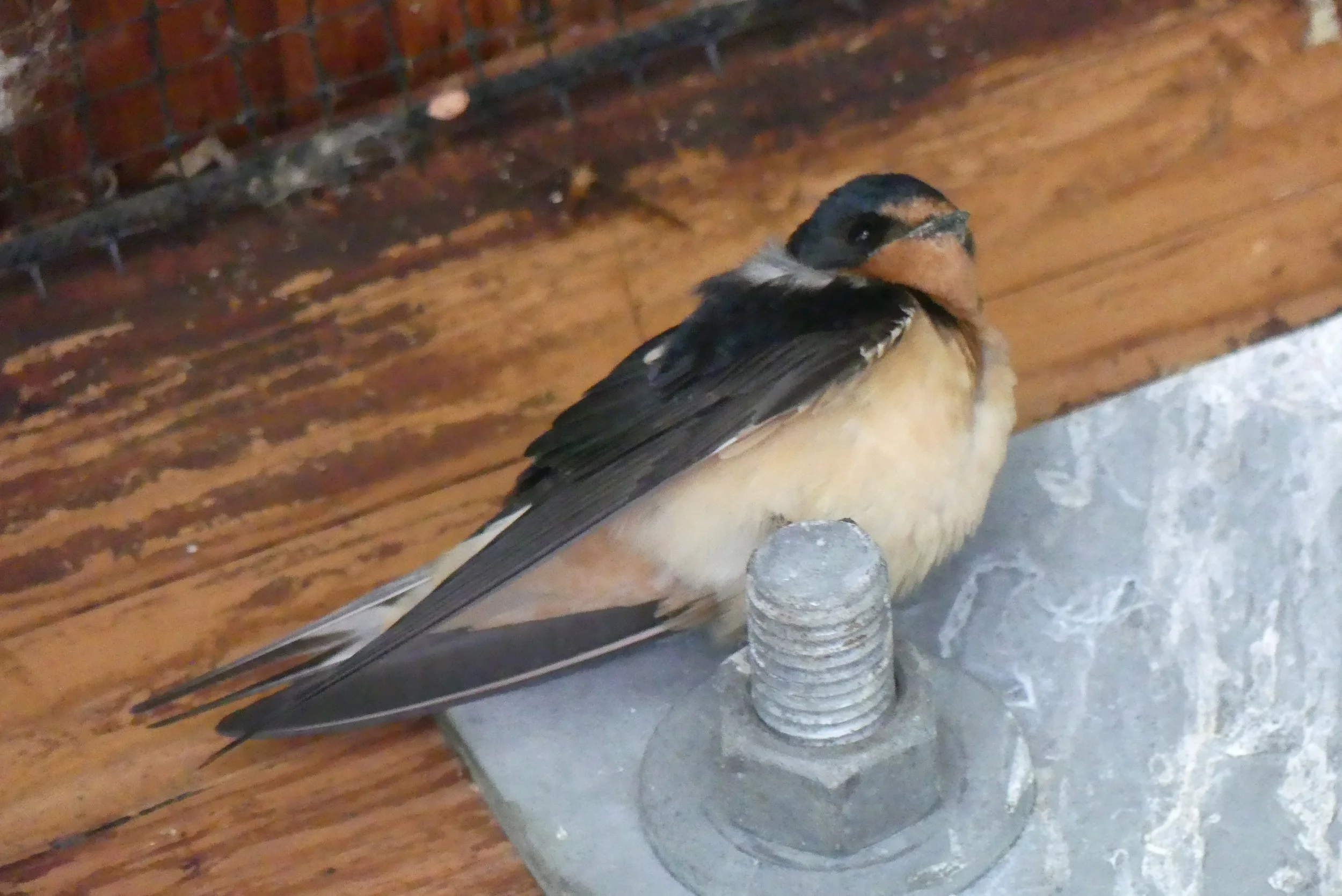
Before we had even fully started walking, my wife and I stopped to take in an entire field swirling with swallows. Hundreds—maybe thousands—moving constantly overhead. The air felt busy in every direction. One of my favorite parts of the morning was hearing my wife begin pointing out different species herself as they flew by.
A few years ago, they would have all simply been “swallows” to me.
Now I find myself automatically noticing shape, color, flight style, and behavior.
In my last post, I mentioned how difficult Washington lifers are becoming after several years of birding here. Yet migration always seems to find a way to surprise me.
This time the surprise came in the form of a Bullock's Oriole.
The colors were unmistakable, even from a distance. Bright orange against the spring greens of Nisqually. One of those birds that immediately stops your walk and commands your full attention. My wife and I stood there quietly taking in the sighting together before it disappeared back into the trees.
As we made our way toward the marsh, I had another moment that reminded me how much birding has changed my awareness over time.
First came the unmistakable descending whinny of a Sora. Then shortly after, the distinct call of a Virginia Rail.
A few years ago, both sounds would have disappeared into the background as little more than marsh noise. Now they immediately stand out.
Last year at Nisqually, I had a moment where a small gray swallow landed beside a much larger and more colorful species. The contrast caught my attention enough that I later reviewed photos from the walk and realized I had stumbled onto my first Bank Swallow.
This year, I arrived already knowing what to watch for.
And there they were again.
Smaller, grayer swallows mixed among the larger groups. Not many, but enough to catch my attention almost immediately. I still used Merlin afterward for confirmation, but moments like that make me realize my confidence and pattern recognition are slowly improving.
Then there were the Common Yellowthroat.
Everywhere.
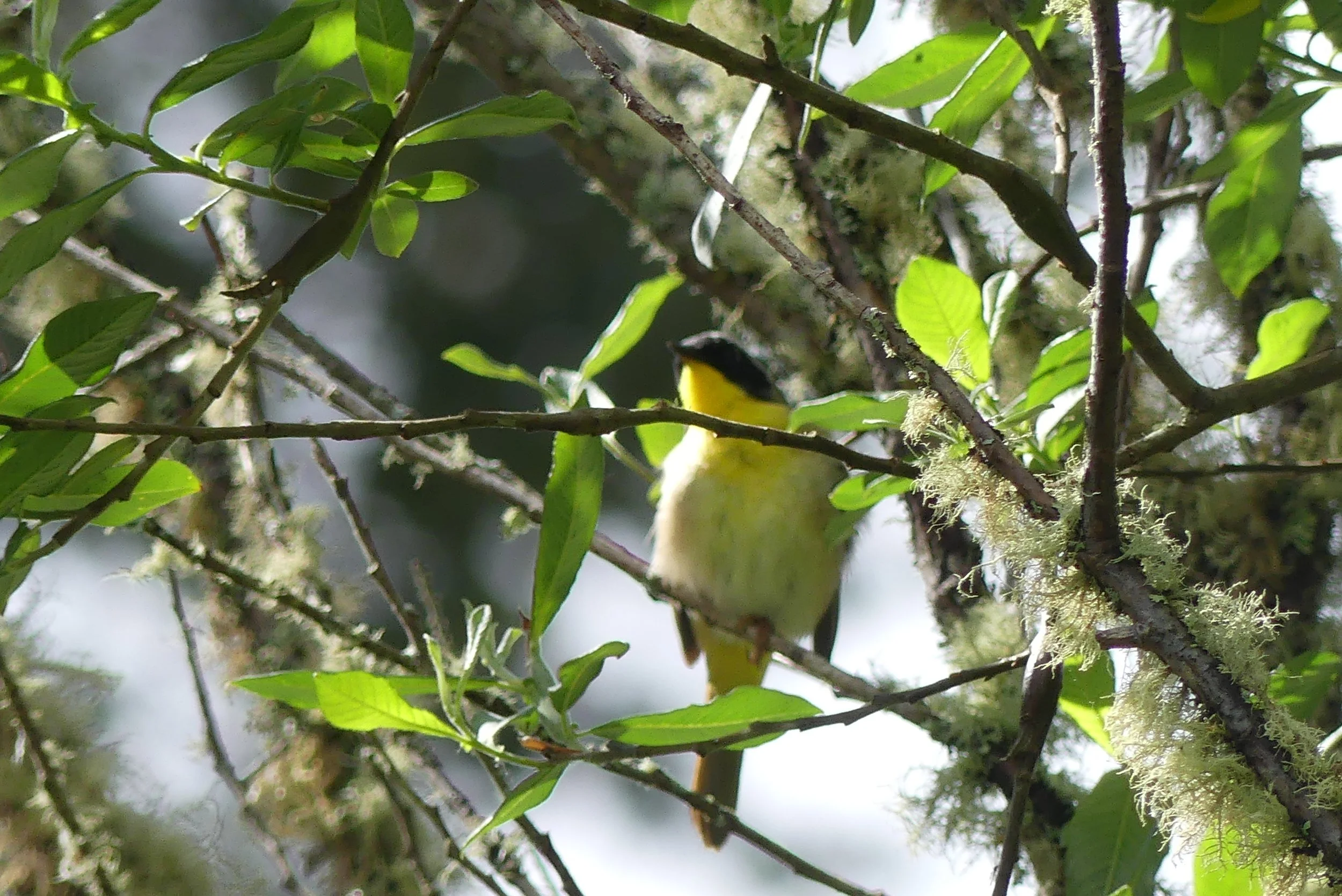
The males especially seemed determined to show themselves, their black masks glowing against the marsh vegetation while they called from nearly every direction. For a species that often hides deep in cover, they were surprisingly cooperative that morning.
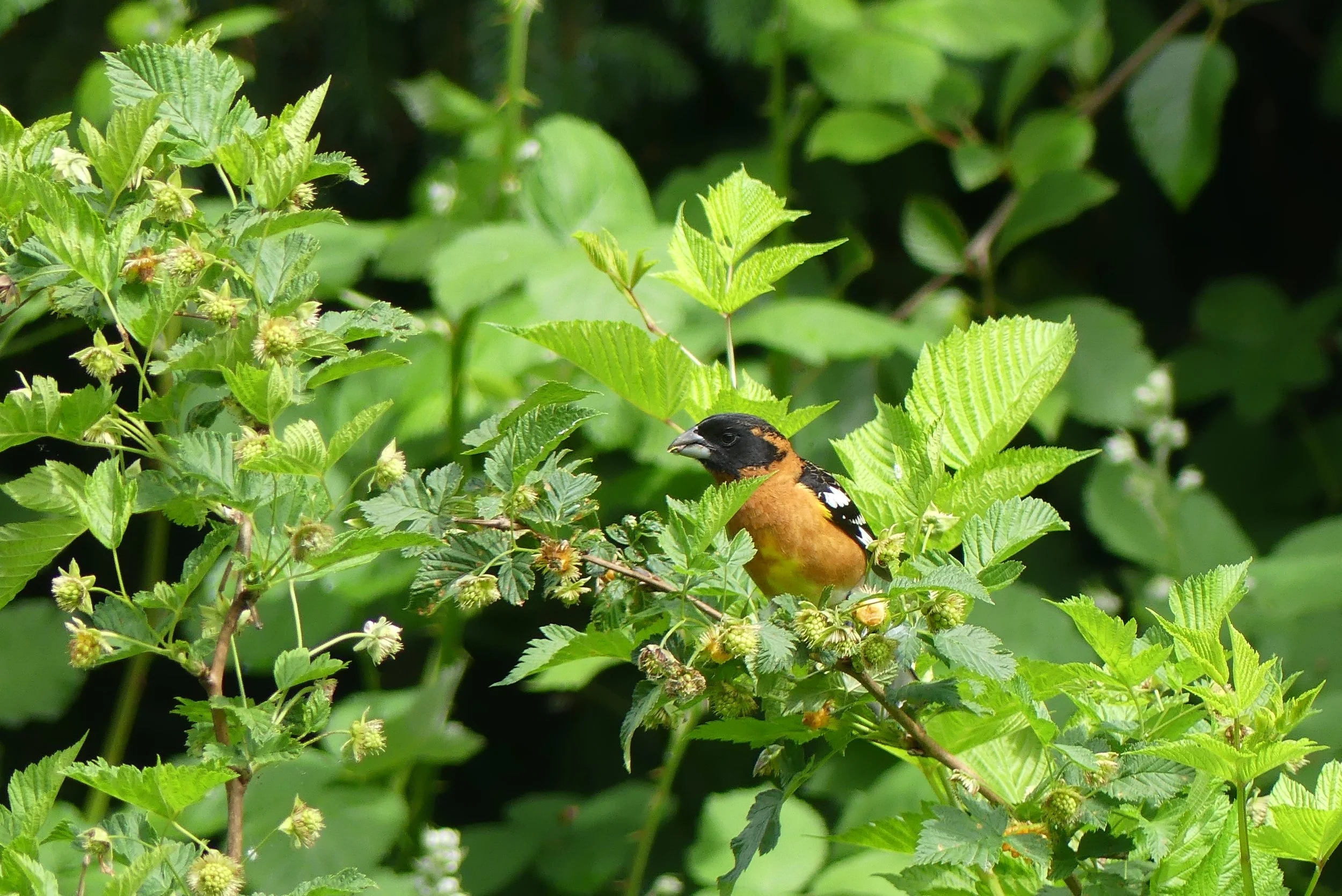
We also came across a beautiful Black-headed Grosbeak, and part of what made the sighting enjoyable was knowing it had only recently returned north for the season. Migration changes the landscape in a way that feels temporary and dynamic. Birds appear almost overnight, changing the sound and energy of familiar places week by week.
By the end of the walk, we had recorded 38 species.
Other highlights included:
Greater White-fronted Goose
Blue-winged Teal
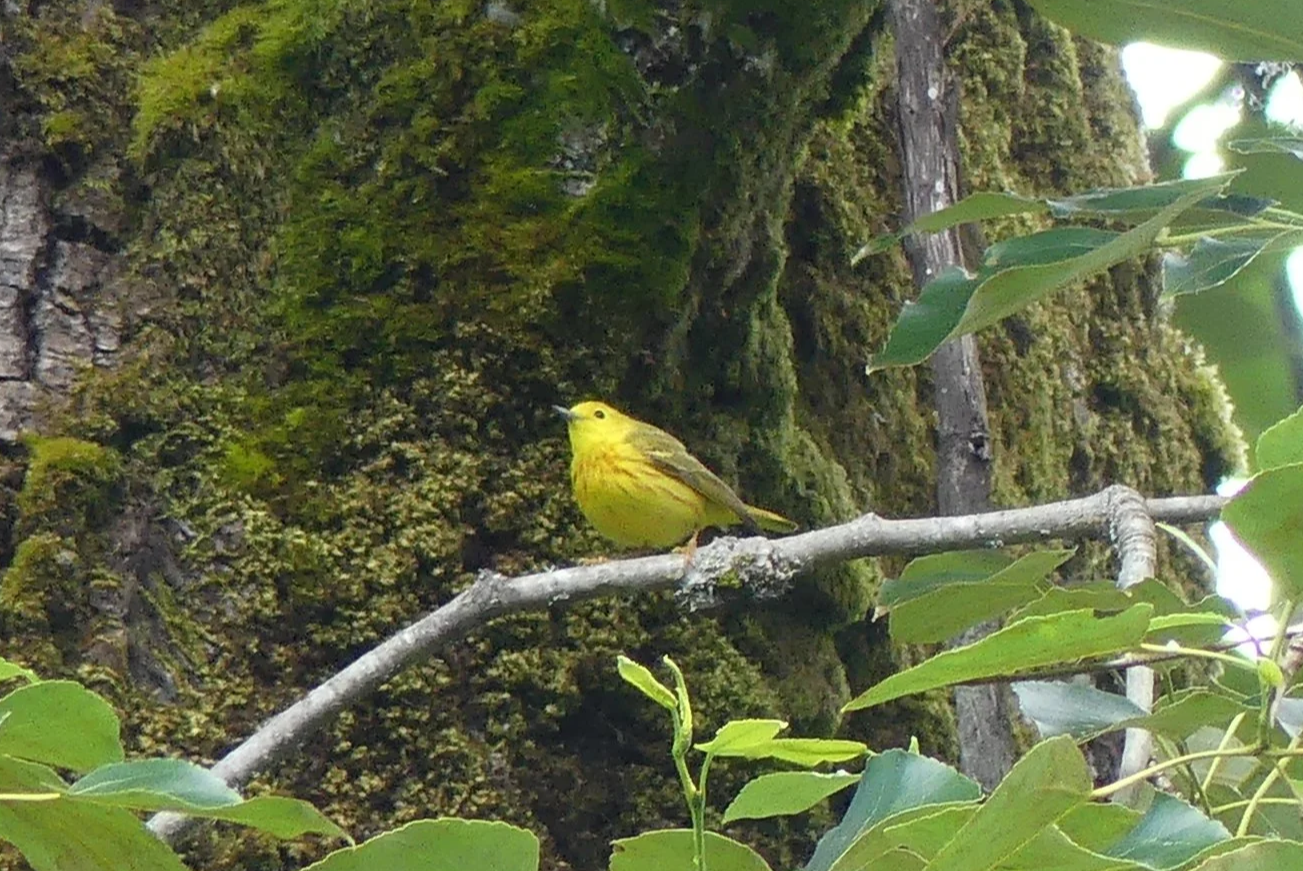
Yellow Warbler
a second-ever sighting of a Cinnamon Teal
What keeps drawing me back to Nisqually is that balance between familiarity and discovery.
Some birds now feel recognizable and expected. Others still surprise me entirely. The refuge has become a place where unfamiliar sounds slowly become recognizable, and where each visit feels a little less like searching and a little more like understanding.
Field Notes - Nisqually NWR
Location: Billy Frank Jr. Nisqually National Wildlife Refuge, Washington
Date: Spring 2026
Habitat: Freshwater marsh, estuary, open fields, riparian woodland
Conditions: Mild spring morning, mostly overcast with sporadic sunshine
Species Observed (highlights):
Bullock's Oriole
Sora
Virginia Rail
Bank Swallow
Common Yellowthroat
Black-headed Grosbeak
Greater White-fronted Goose
Blue-winged Teal
Yellow Warbler
Cinnamon Teal
Other Observations: Heavy swallow movement throughout the refuge; migration noticeably increased both diversity and activity levels compared to previous visits.
Enjoyed this field note?
Subscribe below for occasional observations and reflections from The Perch & The Path.