A New Side of Washington
Washington continues to surprise me.
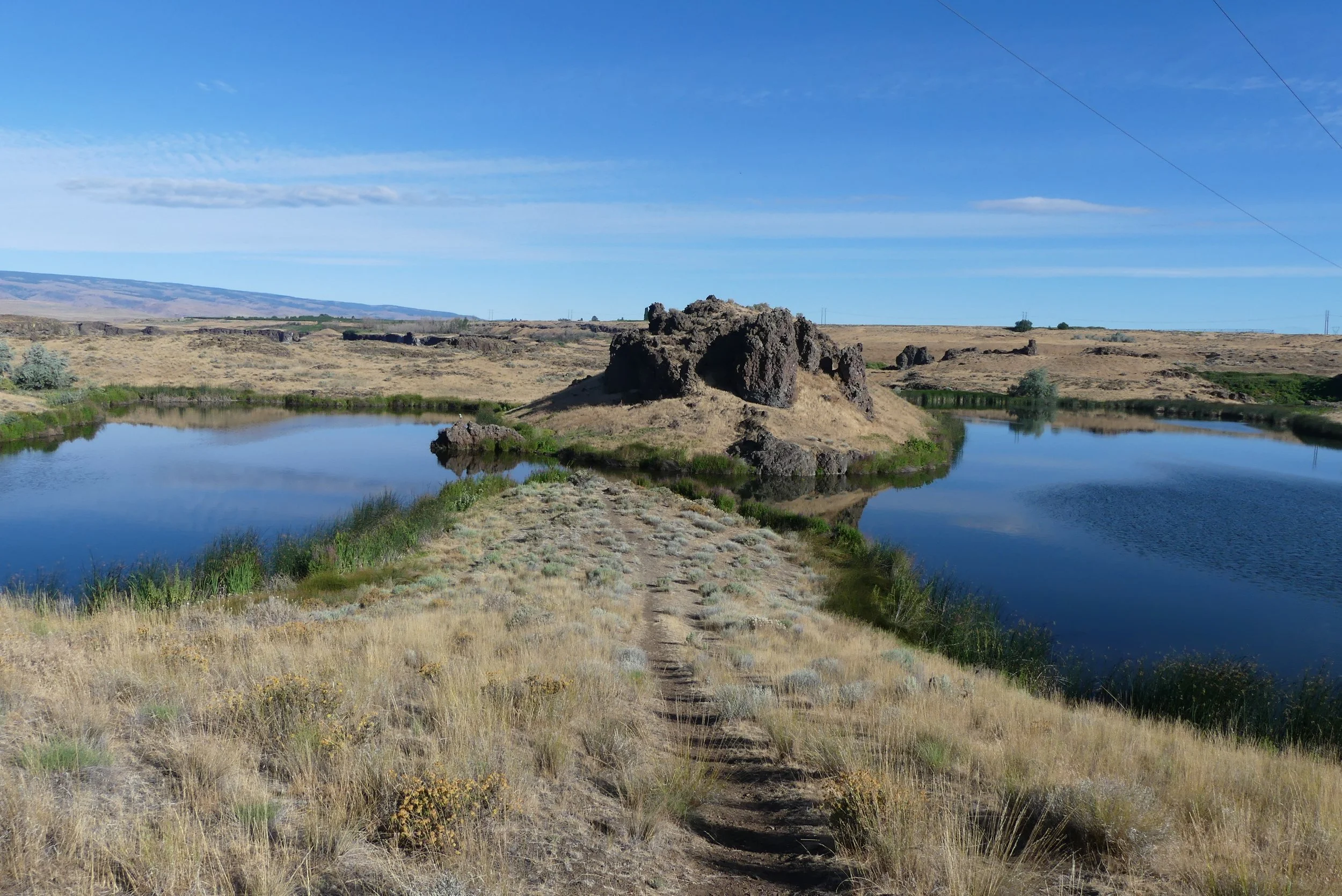
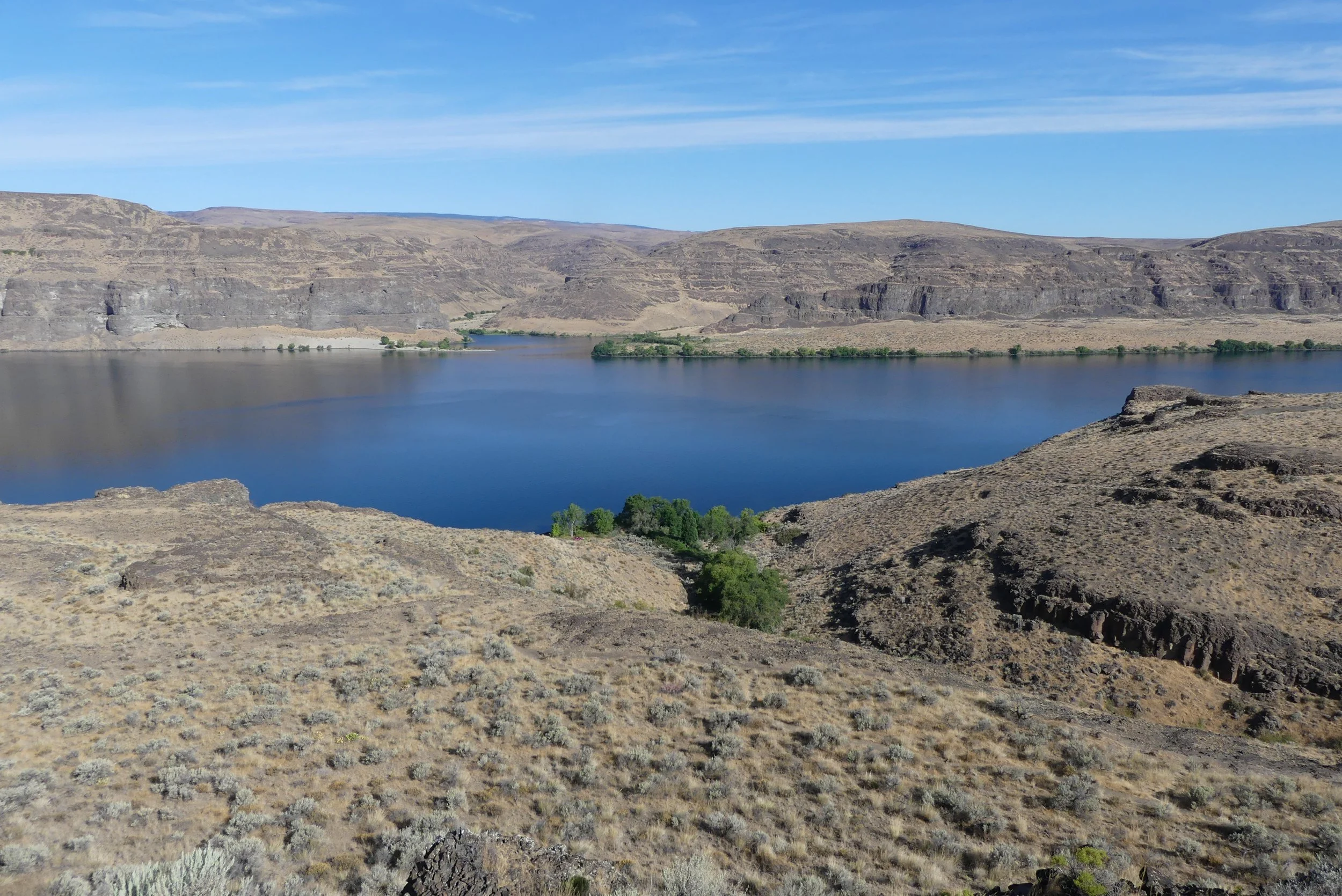
Until this summer, most of my birding had taken place west of the Cascades—among evergreen forests, wetlands, and the rocky Pacific coastline. I had visited Leavenworth and made a short trip to Wenatchee before, but this Fourth of July getaway to Quincy was my first opportunity to really explore the Columbia Basin and its sagebrush country.
What struck me most wasn't the birds.
It was how quickly the landscape transformed.
Leaving Leavenworth, the dense forests slowly began to thin. Around Wenatchee, trees became less frequent, though patches of green still followed the river. But beyond Wenatchee, the change became unmistakable. Forest gave way to open hillsides, sagebrush stretched toward the horizon, and suddenly it felt like I had entered an entirely different state. I had always thought of Washington as forests, mountains, and coastline. This trip reminded me that nearly half the state tells an entirely different ecological story.
Of course, whenever I travel with my wife, I try to balance birding with simply enjoying our time together. That usually means early morning walks while the rest of the day belongs to us.
This trip was no exception.
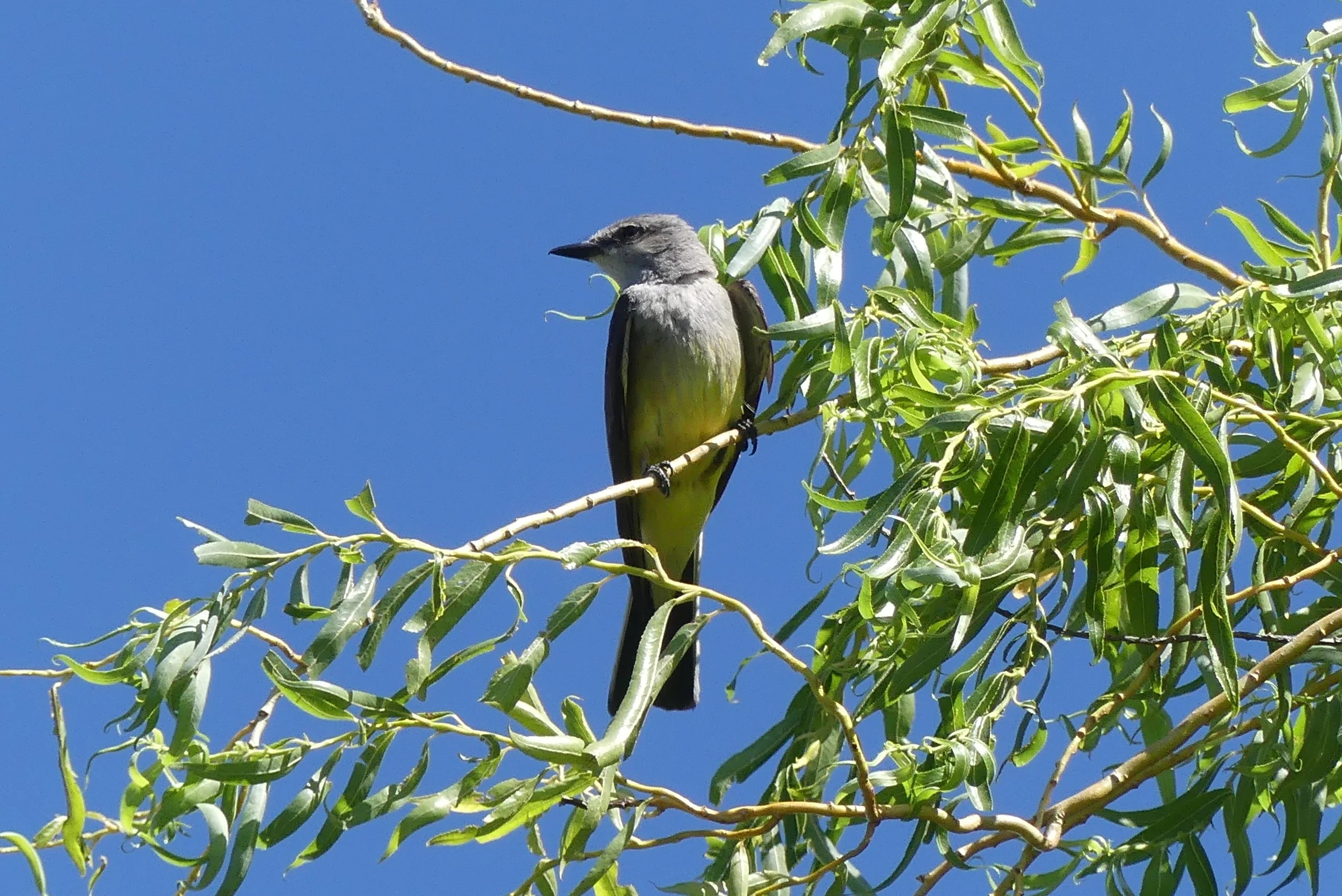
My first walk took me from our resort down toward the Columbia River. Familiar species welcomed me to the area—Barn and Violet-green Swallows darted overhead, American Robins and House Finches filled the trees, Western Kingbirds hunted from exposed perches, and California Quail wandered through the brush with long lines of young chicks following close behind.
Later that evening, while quietly taking in the view, an unfamiliar song stopped me in my tracks. It sounded unlike anything I had become accustomed to hearing west of the Cascades, immediately pulling my attention away from the scenery.
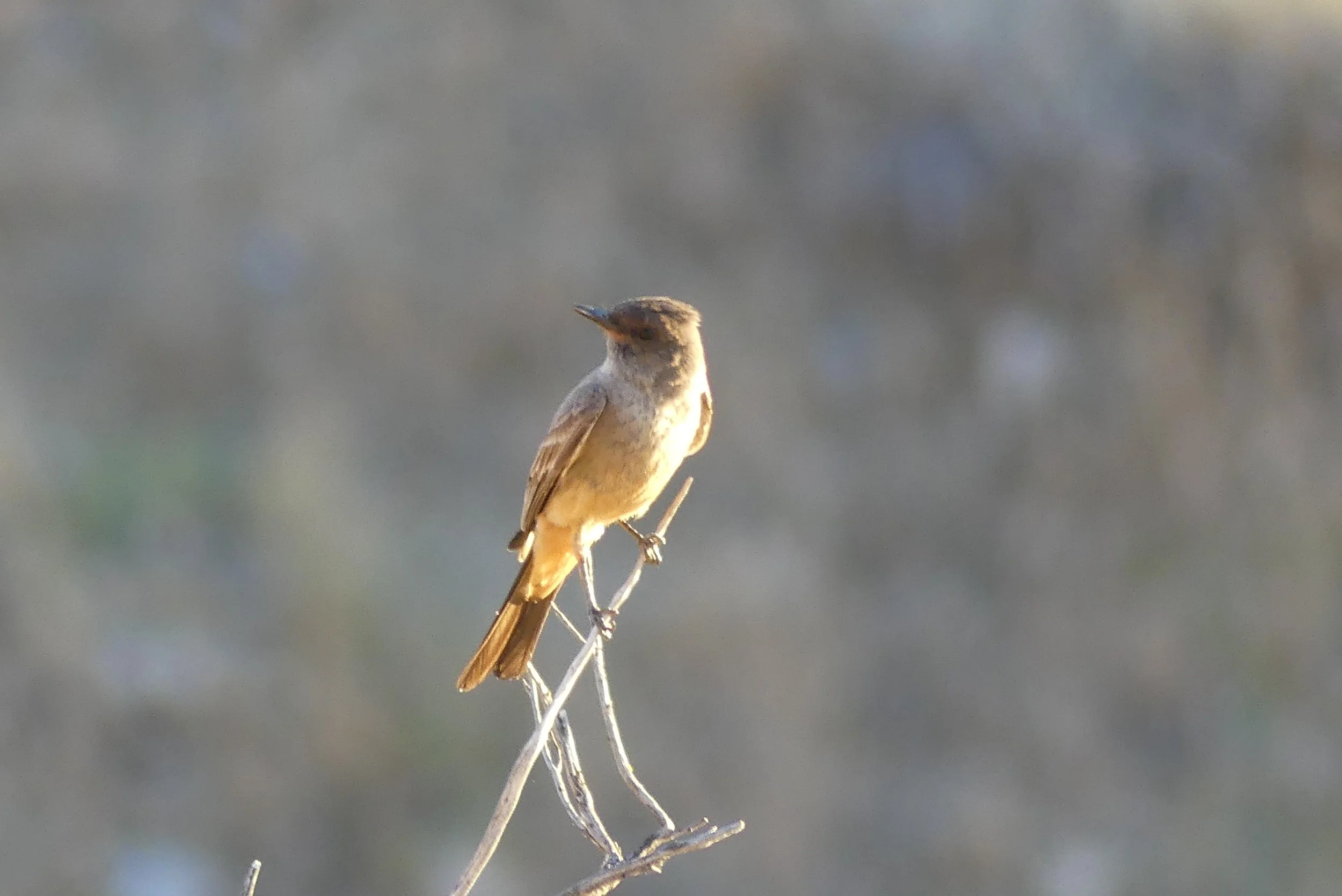
I followed the sound until I found a gray bird with a warm cinnamon-colored belly moving between nearby shrubs. It never ventured far, allowing me to study it carefully before taking several photographs.
Say's Phoebe.
Lifer number 450...or so I thought.
The following morning brought one of the best walks of the trip.
As I entered the Quincy Lakes Recreation Area, a Black-billed Magpie greeted me almost immediately, adding another lifer to my list. The lakes themselves held American White Pelicans, while a Western Meadowlark sang from the surrounding brush.
Then came a familiar face.
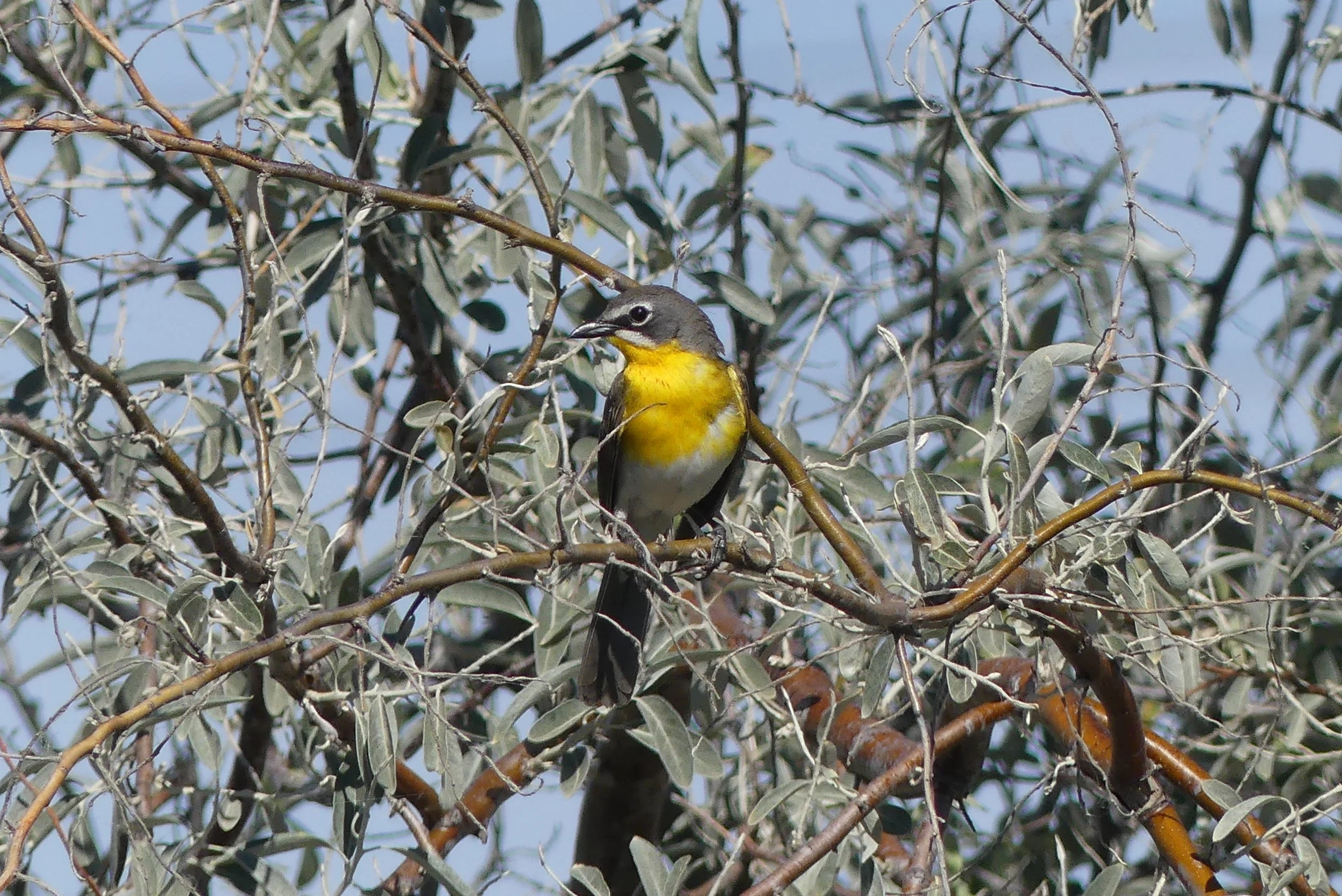
A Yellow-breasted Chat emerged for an unusually good look. I hadn't seen one since my years living in Illinois, and seeing it again felt less like finding a bird and more like reconnecting with an old friend.
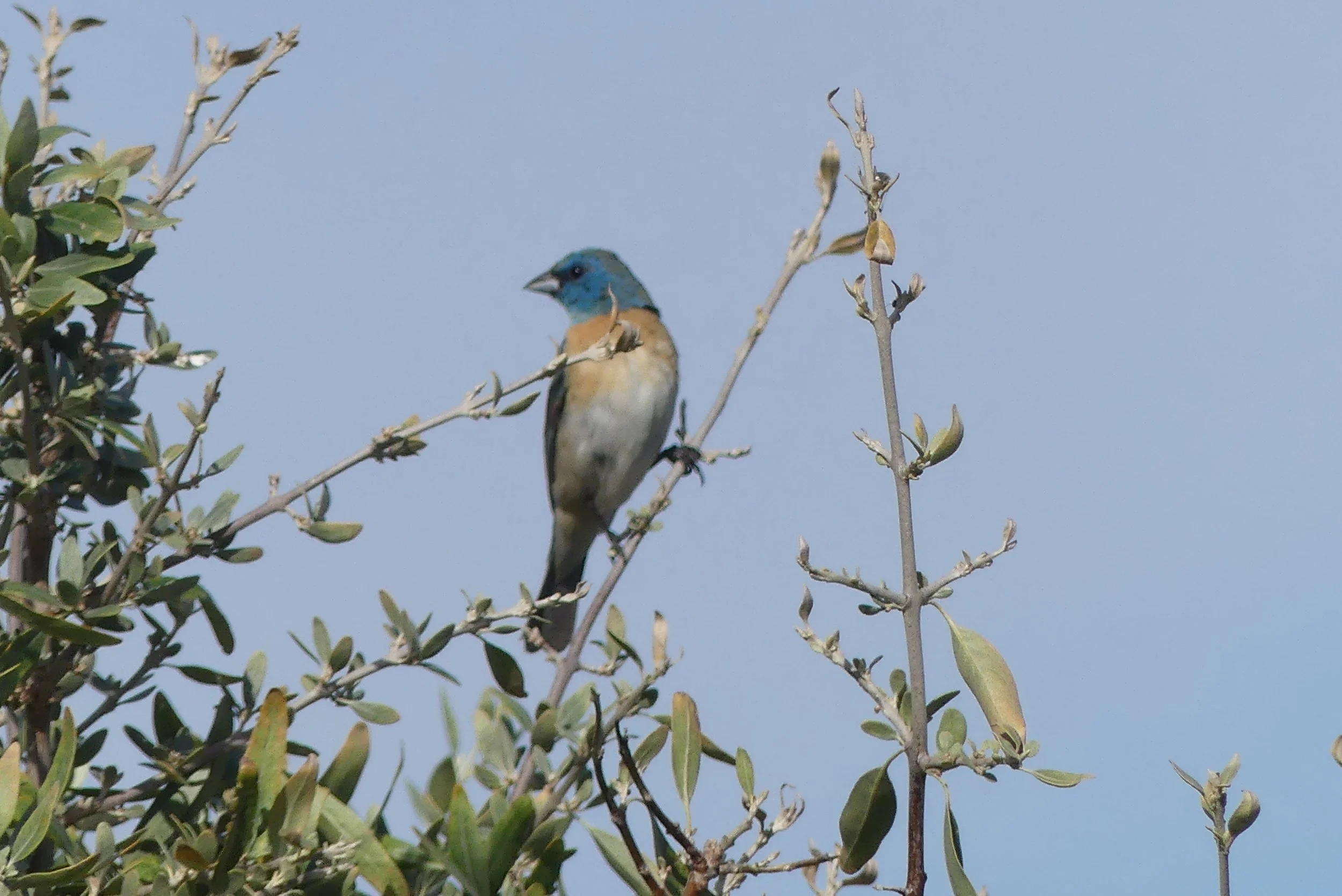
Near the end of the walk, a brilliant male Lazuli Bunting finally appeared, living up to every photograph I'd ever seen. White-throated Swifts sliced through the sky overhead, their distinctive wingbeats now familiar enough that I recognized them before I even lifted my binoculars.
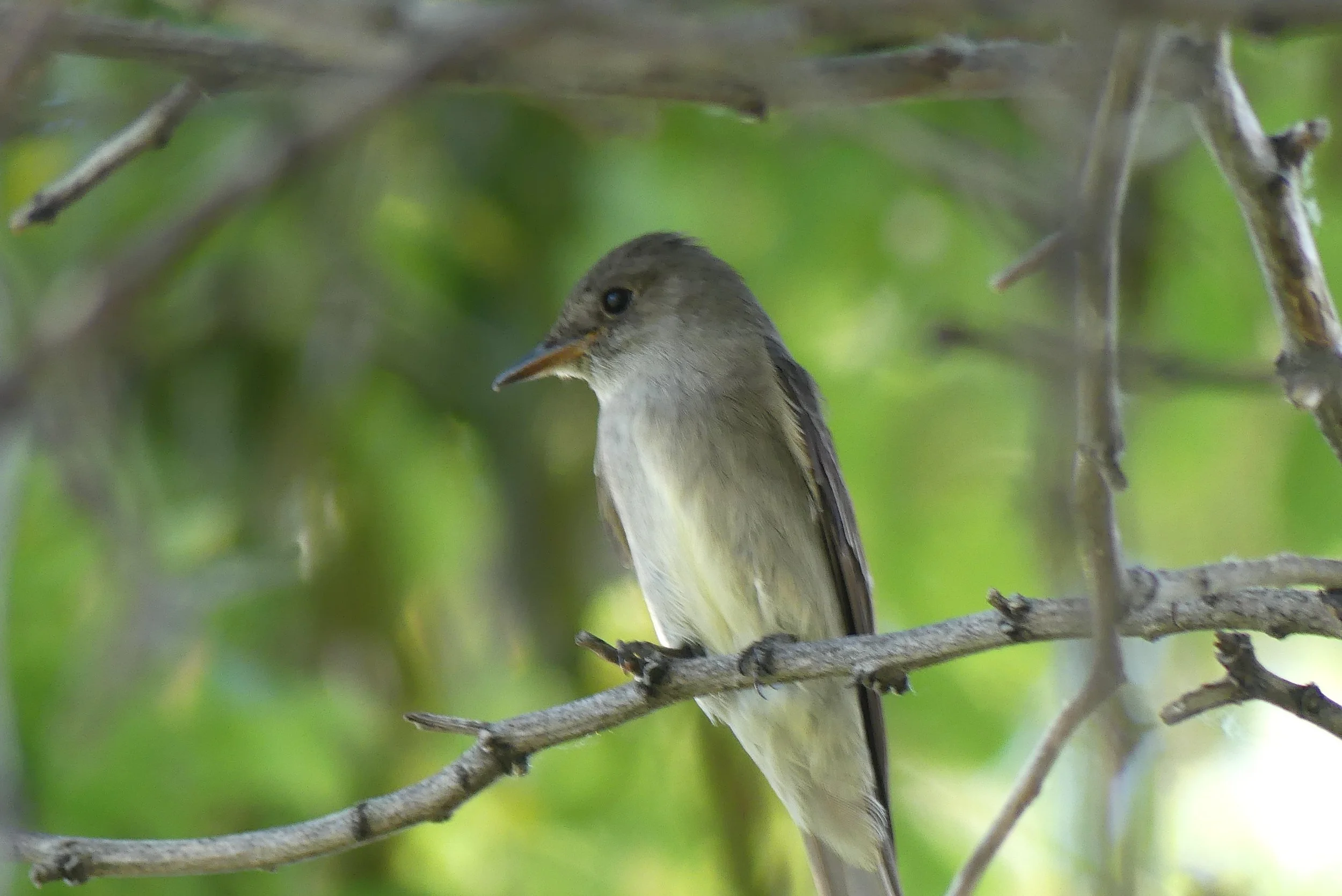
Between birding outings, I spent time wandering the resort itself. Rows of grapevines, scattered trees, and open fields proved surprisingly productive. A Western Wood-Pewee offered one of my closest views ever, while Brewer's Blackbirds, Eurasian Collared-Doves, Western Kingbirds, and additional meadowlark sightings filled the quieter moments.
My final morning produced perhaps the biggest surprise of the weekend.
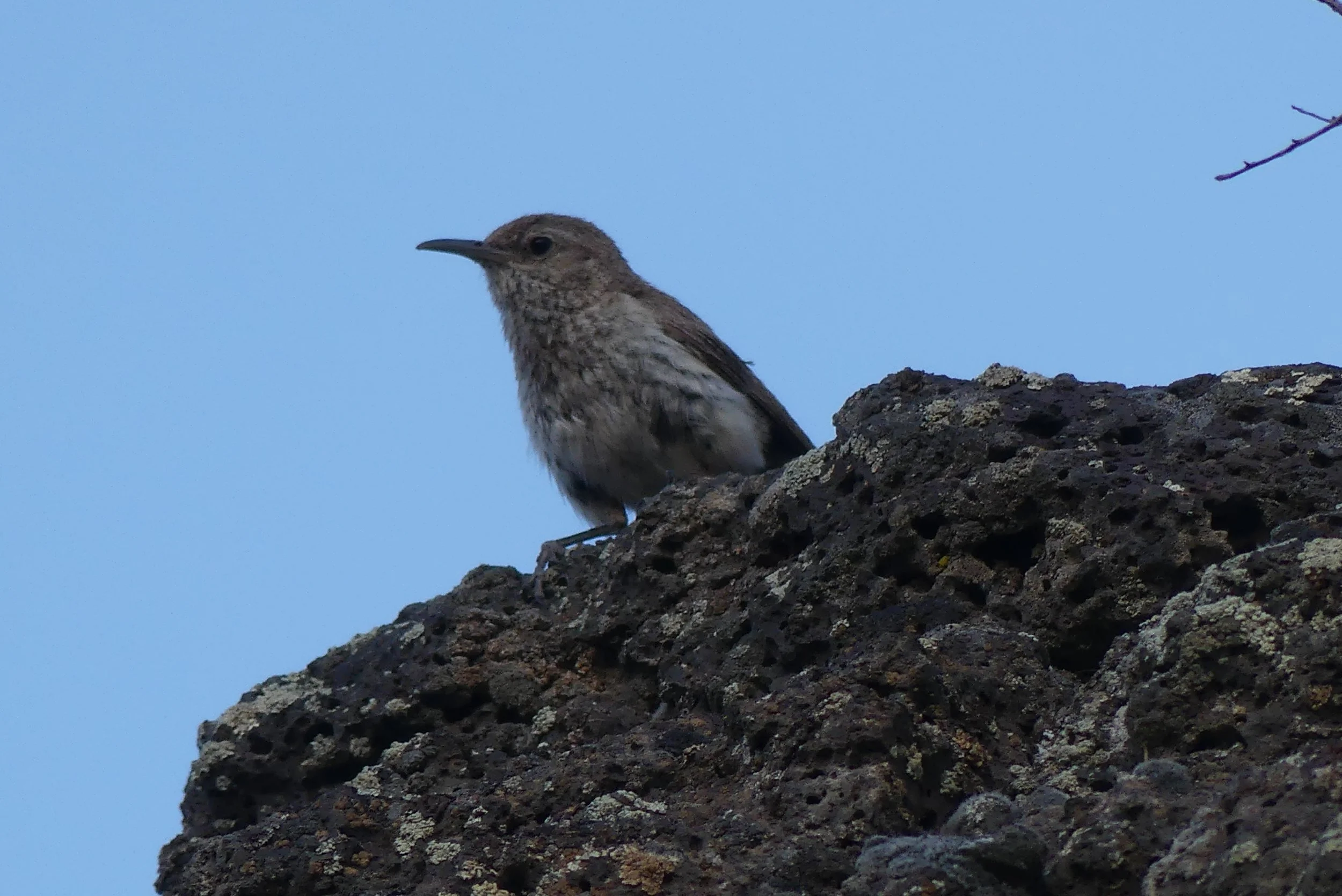
A Sagebrush Sparrow appeared among the shrubs, adding yet another lifer. Nearby, I enjoyed my best looks yet at both a Lark Sparrow and a Rock Wren, while another Lazuli Bunting posed long enough for some memorable photographs.
Only one bird escaped me.
A Chukar called repeatedly somewhere in the surrounding hills, close enough to raise my hopes but never willing to reveal itself.
As it turned out, even my final lifer wasn't discovered until after I returned home.
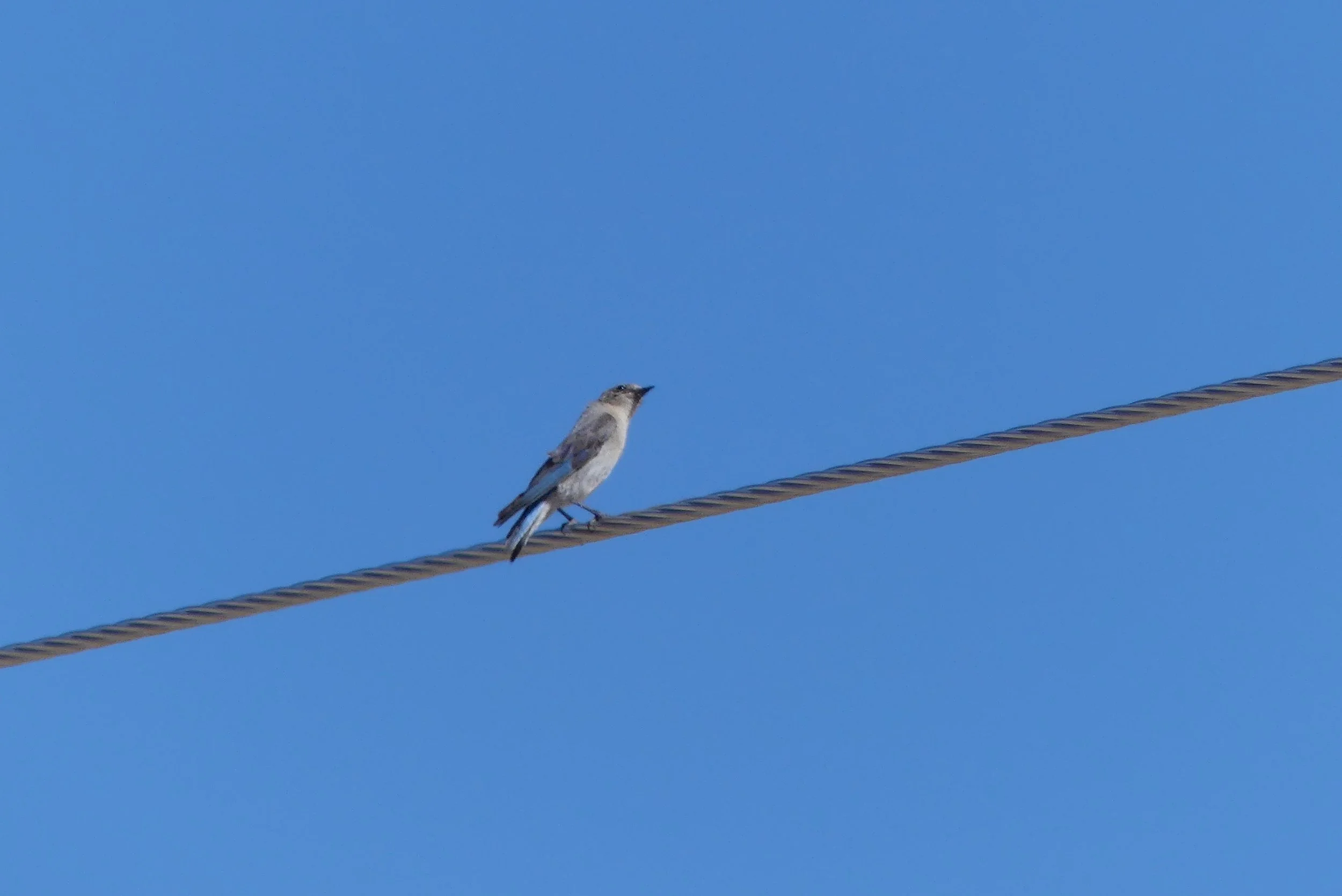
During the drive into Quincy, my wife and I stopped several times to photograph the many hawks perched along roadside utility poles. At one stop, a pair of smaller bluebirds caught our attention. One was a vivid blue with a bright white underbelly, while the other wore a much subtler combination of gray and blue. I resisted the temptation to guess and decided to wait until I could examine the photographs at home before making a confident identification.
Mountain Bluebirds.
A male and a female.
Those photographs quietly shifted my milestone, making the Mountain Bluebird my true 450th life bird and moving Say's Phoebe to number 451.
Looking back, it wasn't just the lifers that defined the weekend. The quail families wandering through the sagebrush, meadowlarks singing from open hillsides, pelicans drifting across the lakes, and swifts cutting through the sky all gave this landscape its own distinct rhythm. They belonged here in a way that would have felt out of place back home west of the Cascades.
By the end of the weekend, I had added seven lifers, explored an entirely new habitat, and come away with a much deeper appreciation for how diverse Washington really is.
I know there are dozens more species waiting for me in this part of the state, but I'm in no hurry. My slow pace keeps me researching, keeps me exploring, and always gives me a reason to return.
Field Notes - Eastern Washington
Location: Quincy, Washington (Columbia River & Quincy Lakes)
Date: July 2026
Habitat: Columbia River corridor, shrub-steppe, sagebrush, lakes, vineyards, and open grasslands
Conditions: Warm, sunny summer weather with calm mornings and light winds
Species Highlights
Mountain Bluebird (Life Bird #450)
Say's Phoebe (Life Bird #451)
Black-billed Magpie (Life Bird #452)
Western Kingbord (Life Bird #453)
White-throated Swift (Life Bird #454)
Lazuli Bunting (Life Bird #455)
Sagebrush Sparrow (Life Bird #456)
Yellow-breasted Chat
American White Pelican
Rock Wren
Lark Sparrow
Western Meadowlark
Western Wood-Pewee
California Quail
Notable Behavior
California Quail leading broods of young through the sagebrush.
Say's Phoebe repeatedly returning to favored perches while foraging.
White-throated Swifts feeding high overhead, recognizable by their rapid wingbeats before visual confirmation.
Mountain Bluebirds discovered only after reviewing photographs taken during roadside stops.
Chukar calling persistently from nearby hillsides but remaining hidden throughout the visit.
Enjoyed this field note?
Subscribe below for occasional observations and reflections from The Perch & The Path.