Chasing Birds, Finding Places
As a birder who enjoys keeping a life list and a yearly list, summer requires a different mindset.
Spring migration is over. The constant stream of new arrivals has slowed, and the birds that chose to spend the season here have settled into their breeding territories. Instead of simply walking a favorite trail and hoping for surprises, I find myself searching for specific species that I might not otherwise encounter.
Lately, that bird has been the MacGillivray's Warbler.
Described as a skulker of dense western brush, it isn't a bird that makes itself easy to find. Thanks to eBird, I noticed several recent sightings and decided to investigate one location labeled "Crescent Valley Watershed Trails."
Finding the trail proved almost as difficult as finding the bird.
The road ended at a gate marked "Private Property," with little indication that the area was actually open to the public. A hiker coming back to her car assured us that the landowners maintained an extensive trail system and welcomed respectful visitors.
So my daughter, Cat, and I headed into the woods.
We never found the MacGillivray's Warbler.
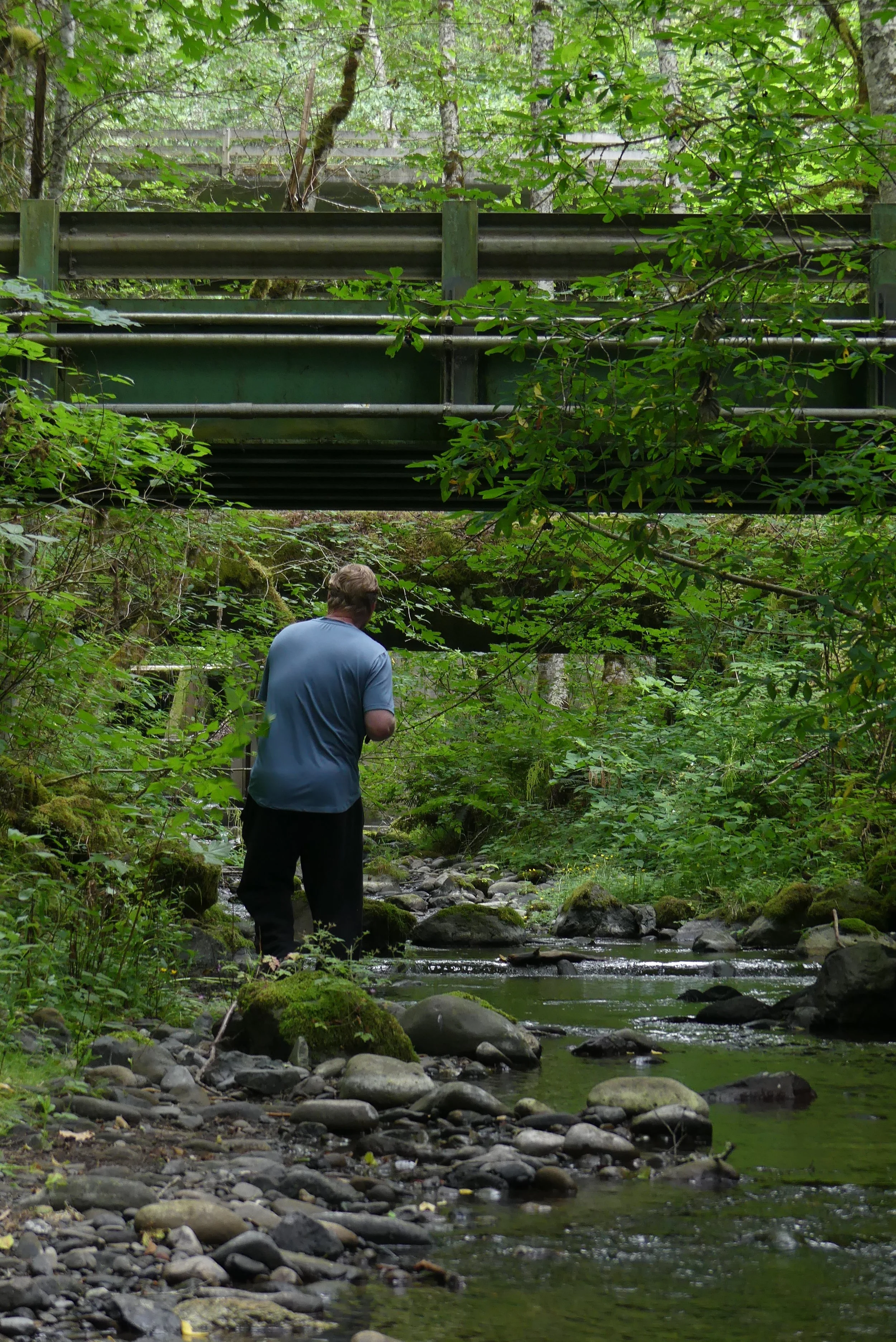
What we did find were miles of peaceful forest trails winding through beautiful habitat. Ferns blanketed the forest floor, songbirds echoed through the trees, and every turn seemed to reveal another stretch of country I never knew existed just a few miles from home.
I left knowing I'd be back.
A few days later, another opportunity presented itself.
I had a doctor's appointment in Port Angeles, nearly two hours away. Since I was making the drive anyway, it seemed like the perfect excuse to spend the day birding.
My first stop was Ediz Hook, a location local birders routinely use to find some remarkable seabirds. My visits there are usually brief, so I never expect much beyond enjoying the scenery.
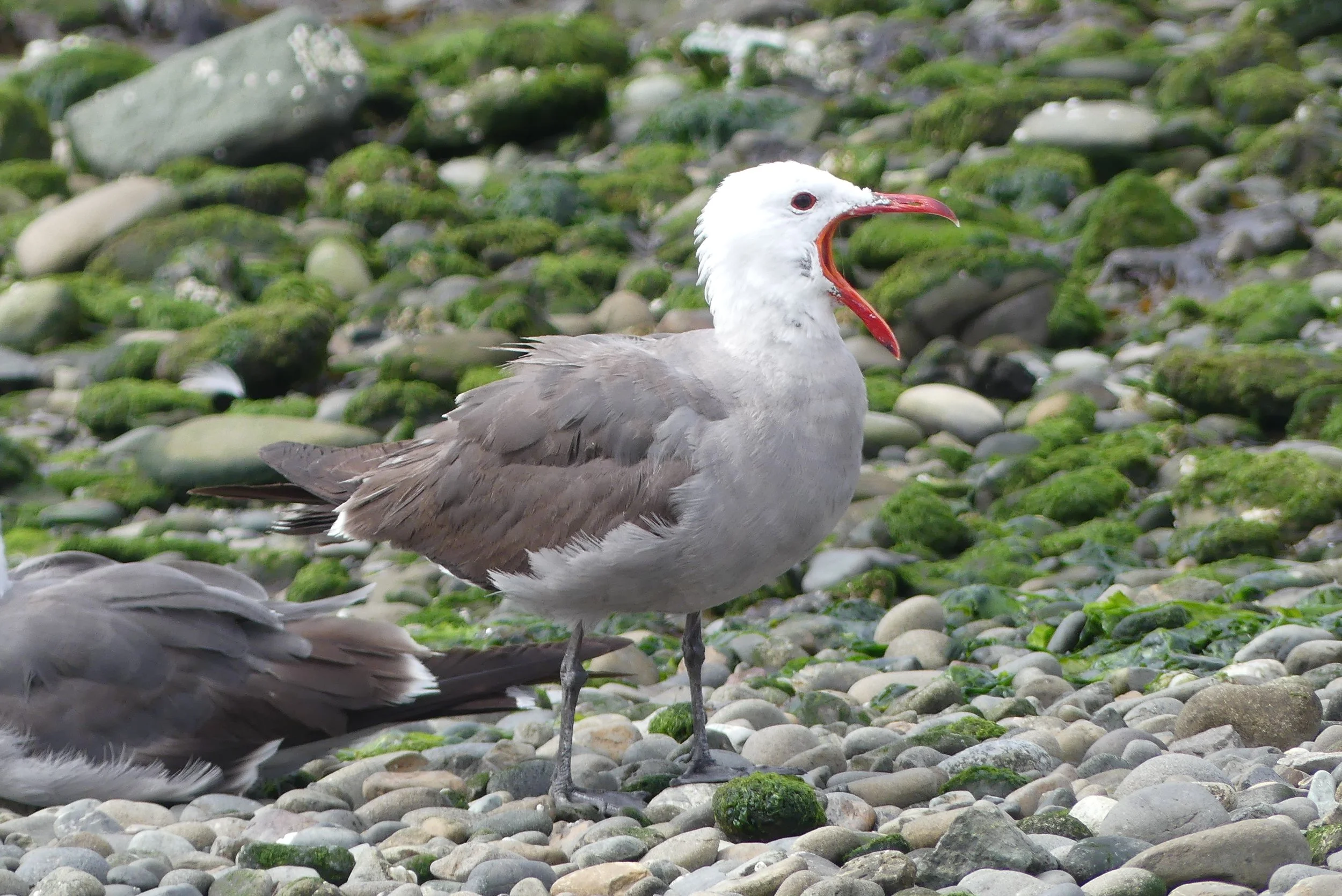
This time I was greeted by my first Rhinoceros Auklet of the year along with one of my favorite gulls, the striking Heermann's Gull.
On the drive home, eBird tempted me once again.
Another MacGillivray's Warbler had recently been reported at the Dungeness Fish Hatchery.
I couldn't resist another attempt.
The hatchery itself was quiet, with no fish being hatched this time of year, but the surrounding trails followed the Dungeness River through another beautiful piece of Washington I had never explored.
Again, the warbler never appeared.
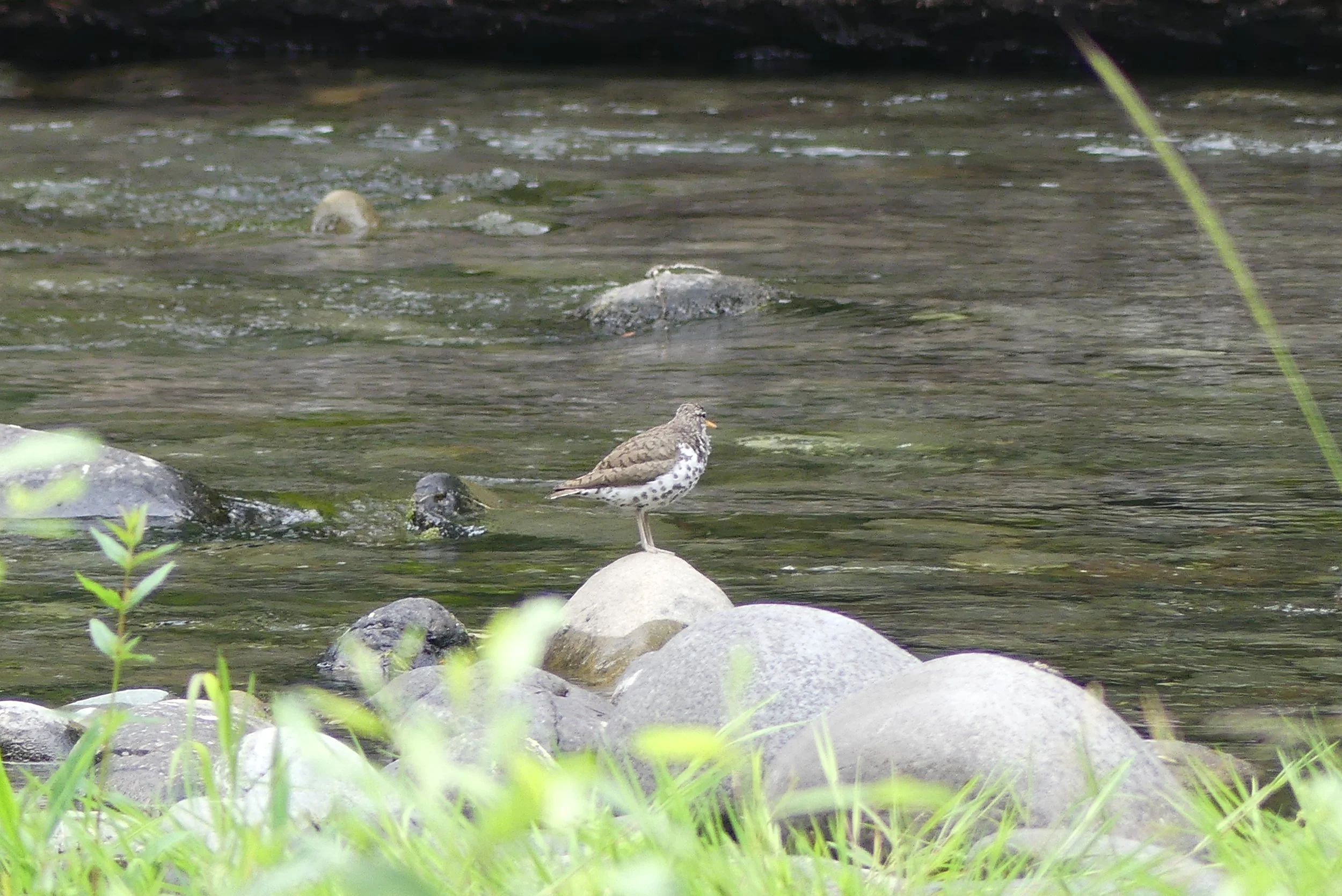
Instead, we watched newly fledged Violet-green Swallows waiting to be fed, spent far too long trying to photograph a Hammond's Flycatcher that never seemed to sit still, and enjoyed two Spotted Sandpipers working the opposite shoreline.
By the end of the week, I still hadn't seen my MacGillivray's Warbler.
Oddly enough, I didn't mind.
Birding has taught me that the target bird is often just the excuse.
The real reward is discovering places I never would have visited otherwise. It's returning to familiar locations and noticing something I've never seen before. It's seeing a common species behave in an uncommon way. Every search, successful or not, adds another piece to my understanding of the places around me.
And then there's Cat.
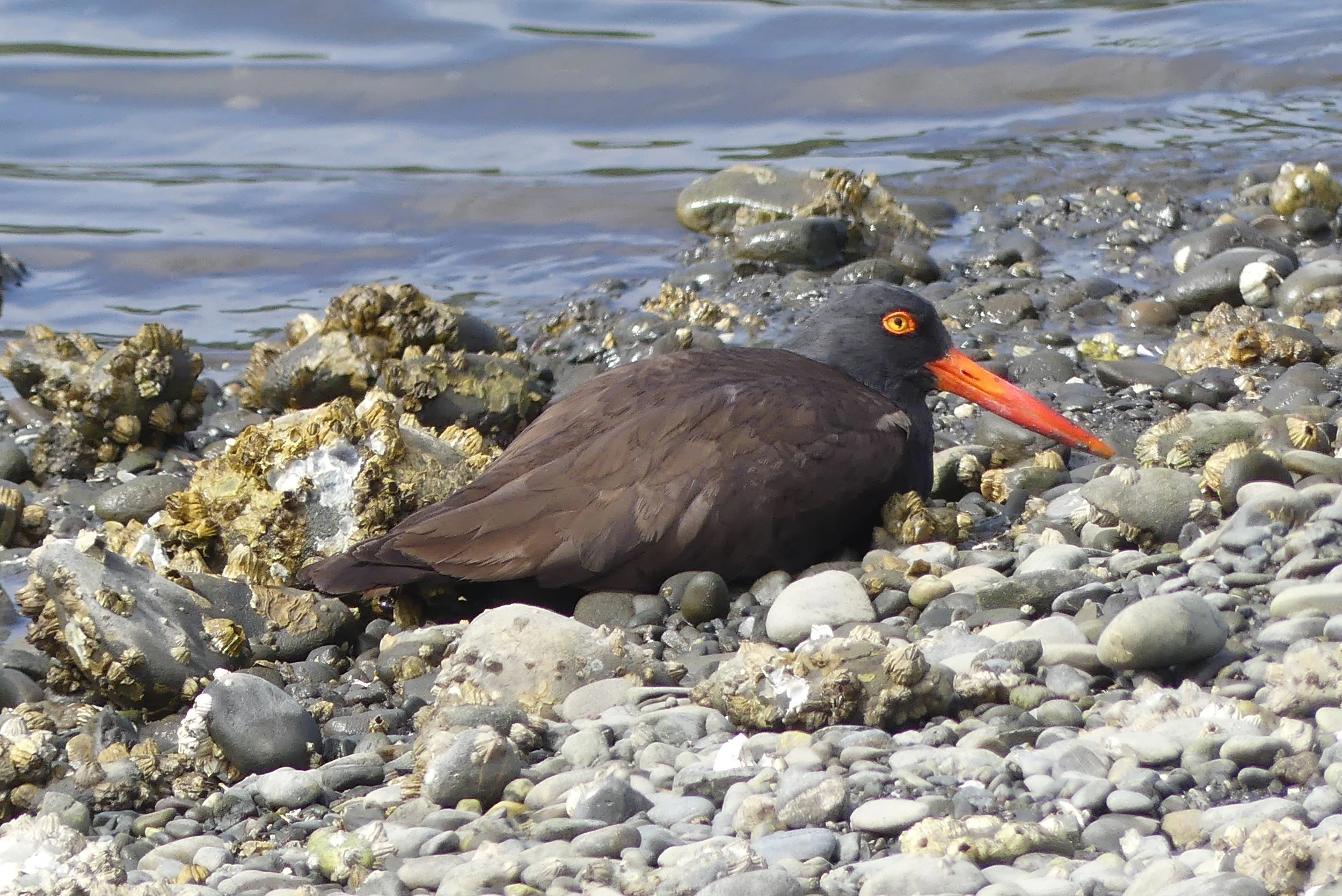
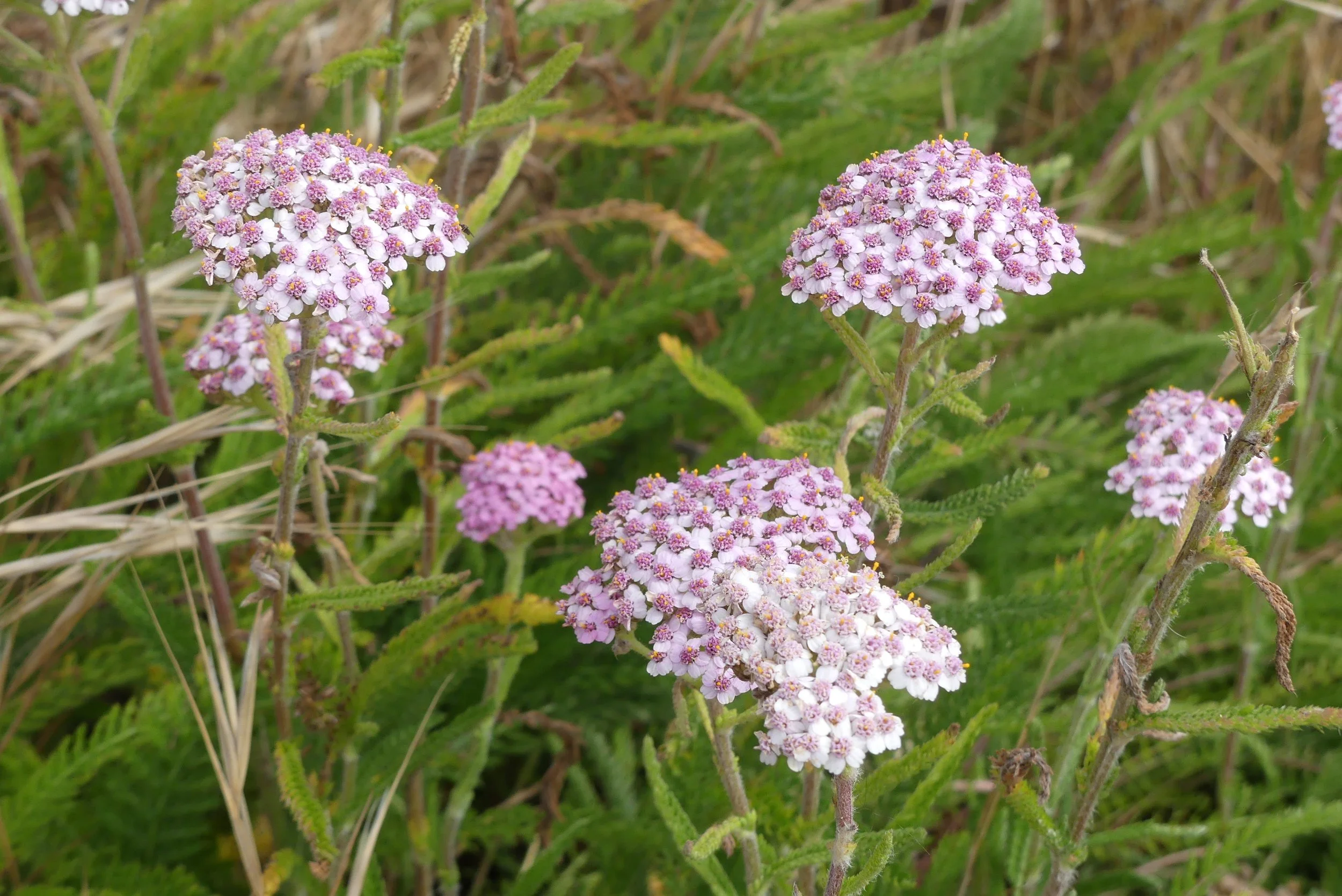
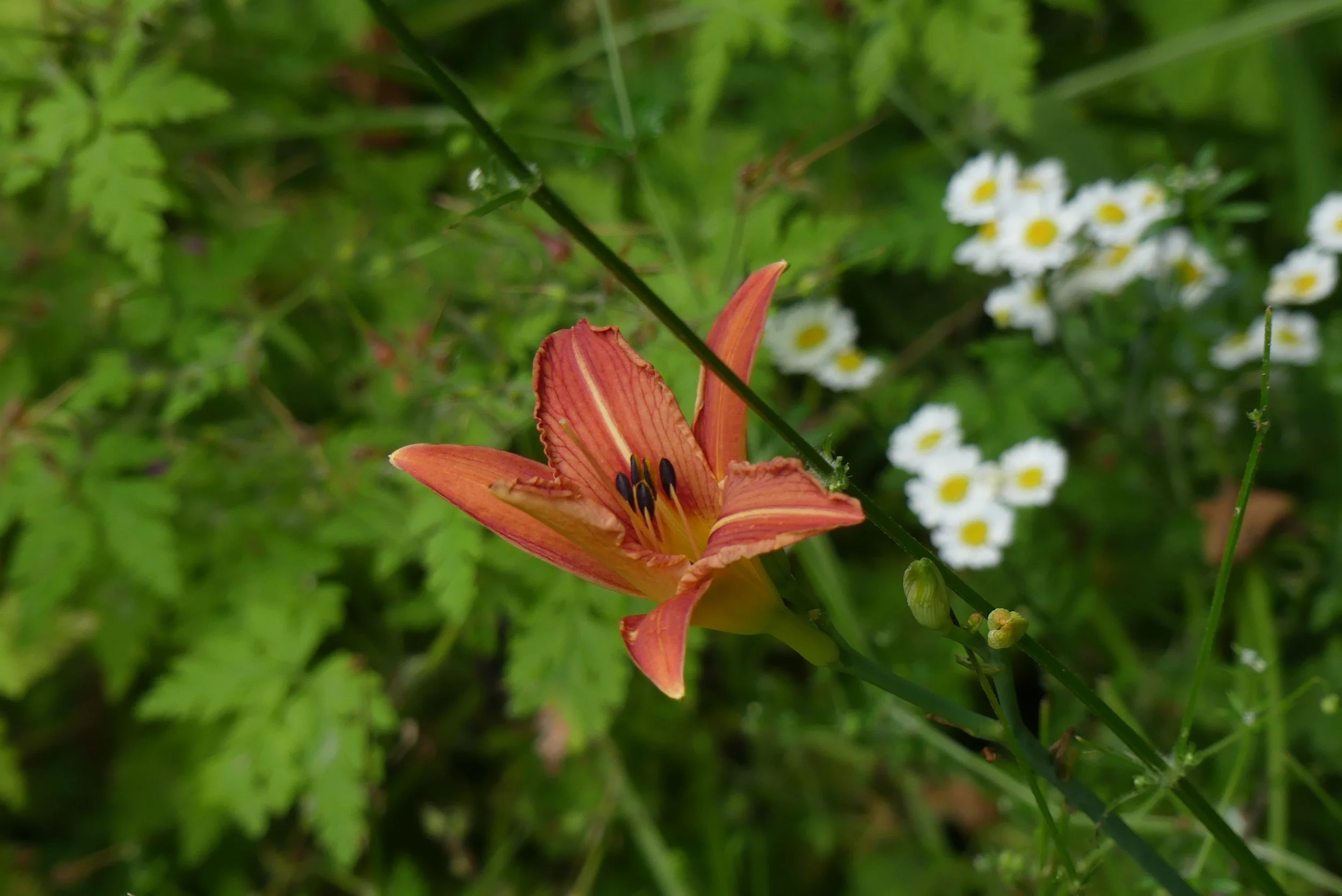
Some of my favorite memories from these outings have very little to do with my checklist. I enjoy watching her photograph wildflowers, insects, and birds with the same curiosity that first drew me into birding. She now recognizes Black Oystercatchers immediately because we've spent time watching them together. She notices things she might have walked past only a few years ago.
Someday all of my kids will have lives, careers, and families of their own. We won't have nearly as many opportunities to wander trails together.
But I hope they'll always pause when they hear an unfamiliar birdsong, notice a wildflower beside the path, or stop to watch a bird they don't recognize.
Maybe they'll send me a picture.
Maybe they'll ask, "Do you know what this is?"
If that happens, then every unsuccessful search for a little warbler hidden in the brush will have been worth it.
Field Notes - Northern Clallam County
Location: Crescent Valley Watershed Trails, Ediz Hook, and Dungeness Fish Hatchery, Washington
Date: Late June 2026
Habitat: Mixed conifer forest, coastal shoreline, and riparian woodland
Conditions: Warm, calm summer weather with breeding birds well established and little migratory activity.
Naturalist Notes: Chasing a single species often becomes an invitation to know a landscape more intimately. Each unsuccessful search revealed another corner of Washington I might never have explored otherwise and became another opportunity to share that sense of discovery with my daughter. Birding isn't just about adding names to a list—it's about learning to recognize habitats, notice seasonal change, and passing along the curiosity to keep exploring long after the checklist is forgotten.
Enjoyed this field note?
Subscribe below for occasional observations and reflections from The Perch & The Path.