Day Four: Neah Bay, Long-tailed Duck, and Whimbrels
The evening of day three ended with one of the drives I had been most looking forward to—making our way northwest toward Neah Bay and Hobuck Beach.
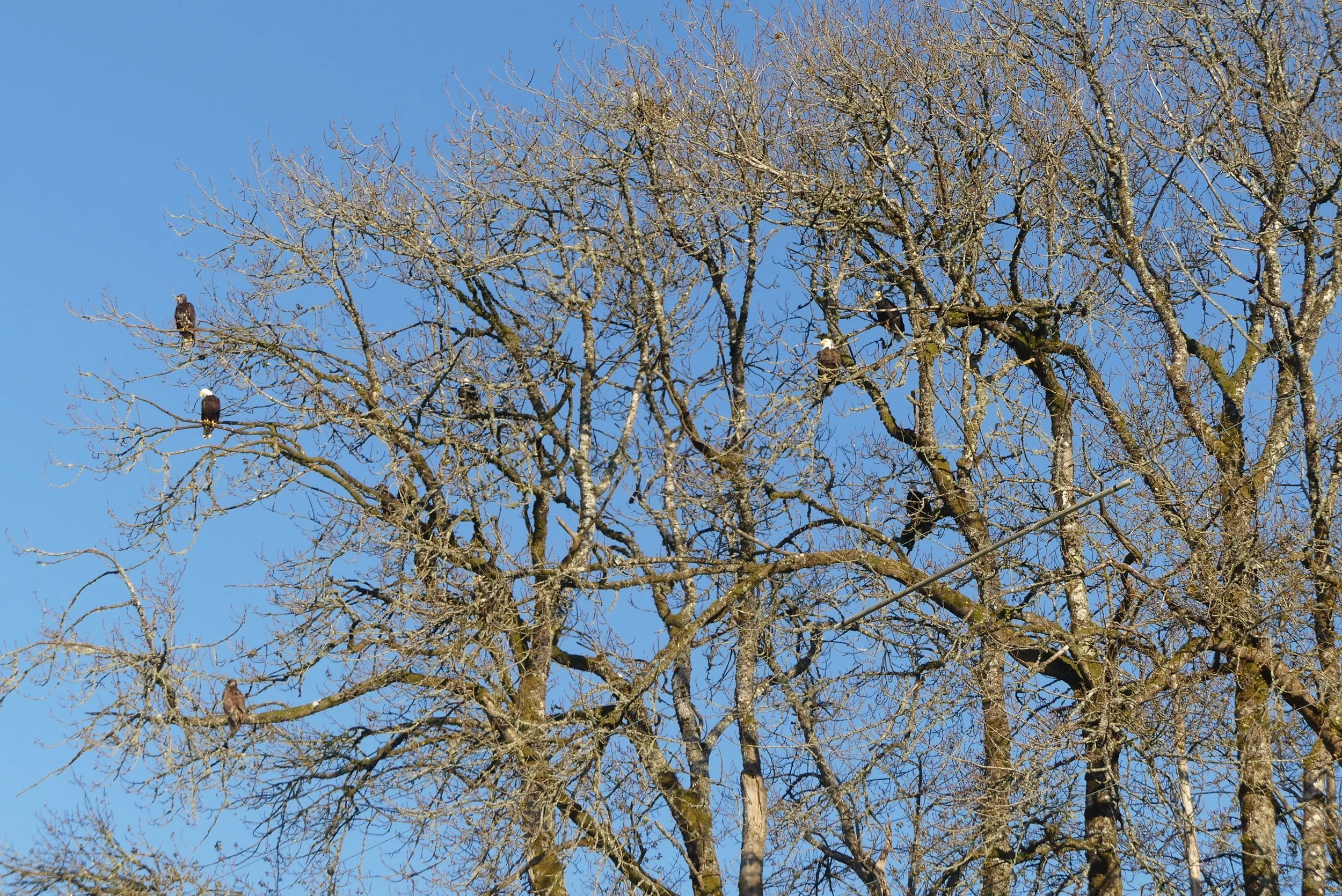
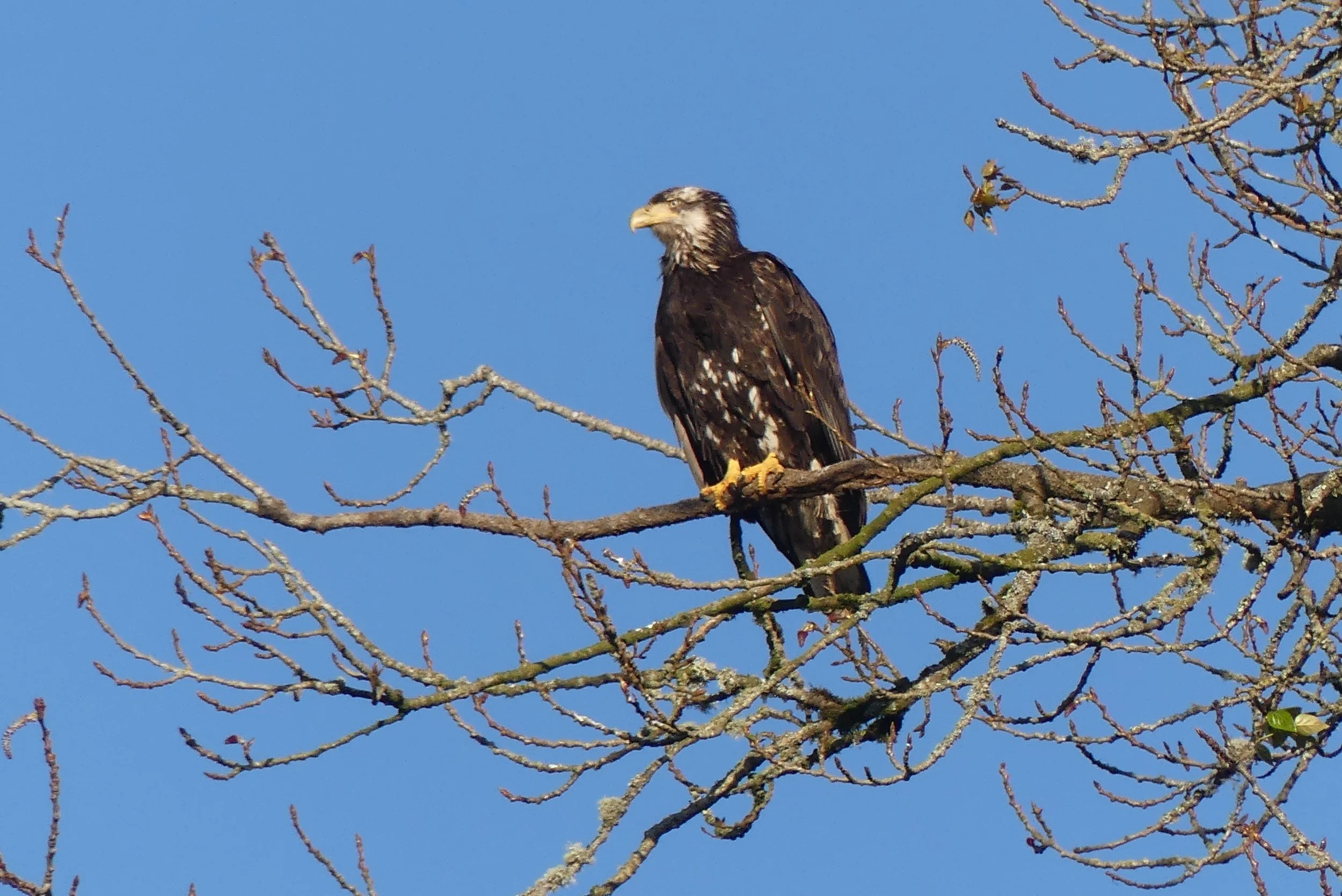
After checking into the Hobuck Beach Resort, we headed into town for dinner. Before we even made it to the restaurant, one scene immediately pulled our attention away from food entirely: a single tree holding at least a dozen Bald Eagle overlooking the bay. Several adults perched high in the branches while two juveniles added even more activity to the scene. It felt excessive in the best possible way—the kind of sight that makes you stop the car without hesitation.
After ordering dinner, we spent the wait along the shoreline watching the bay. In just half an hour, the area produced constant movement. Western Sandpiper moved along the edges while Black Oystercatcher worked the rocks nearby. Gulls covered nearly every available surface, and at one point a Short-billed Dowitcher flew in and settled into view.
By the end of the evening, I already knew I’d be back at first light.
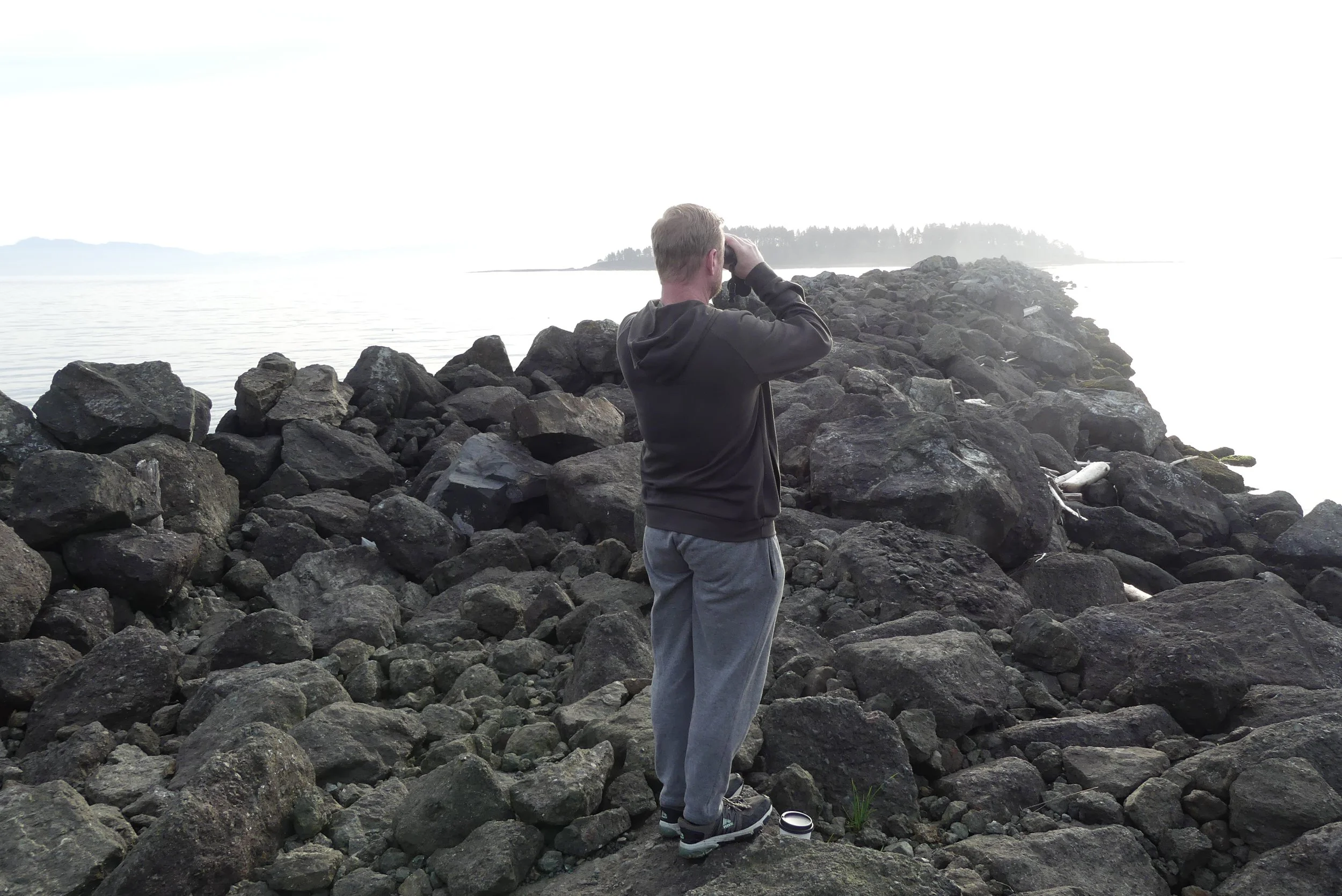
Morning on day four started early at the overlook along the breakwater while the bay was still quiet. My wife handled photography while I scanned both the harbor and the open waters of the Salish Sea beyond it.
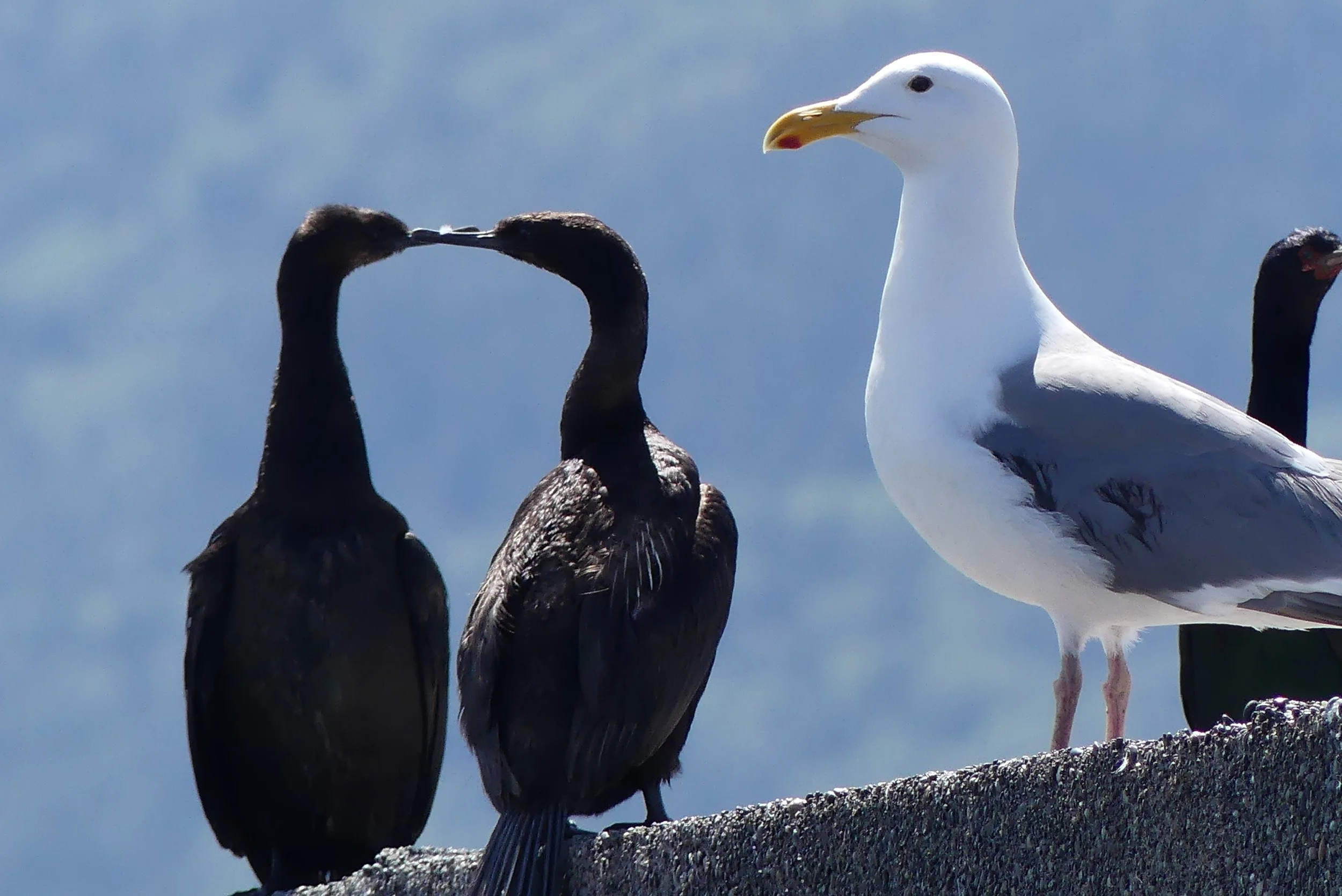
The morning quickly filled with familiar seabirds. Surf Scoter, Horned Grebe, Pelagic Cormorant, Double-crested Cormorant, Pigeon Guillemot, Bufflehead, mergansers, and of course gulls kept the binoculars moving constantly.
Still, several moments stood out above the rest.
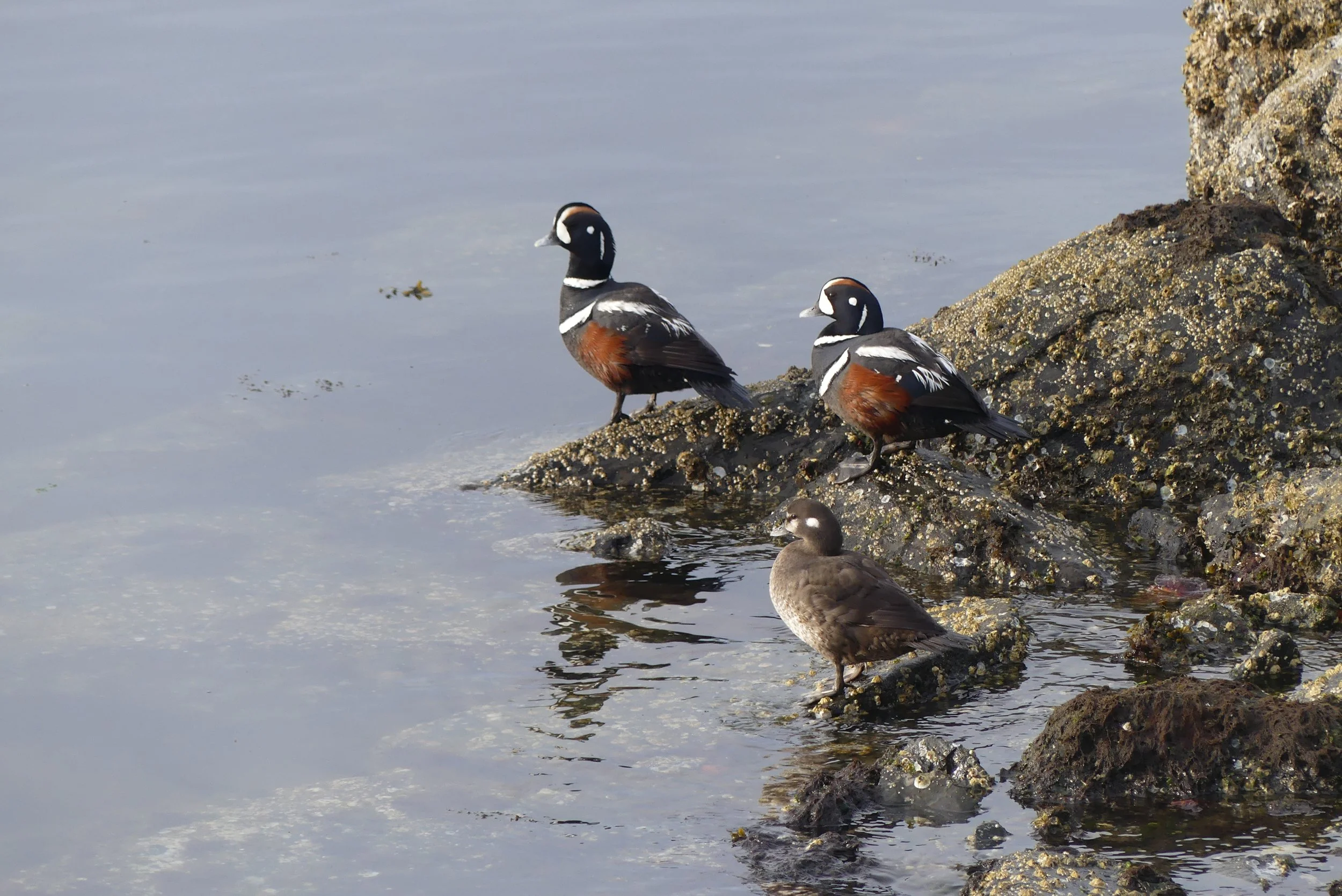
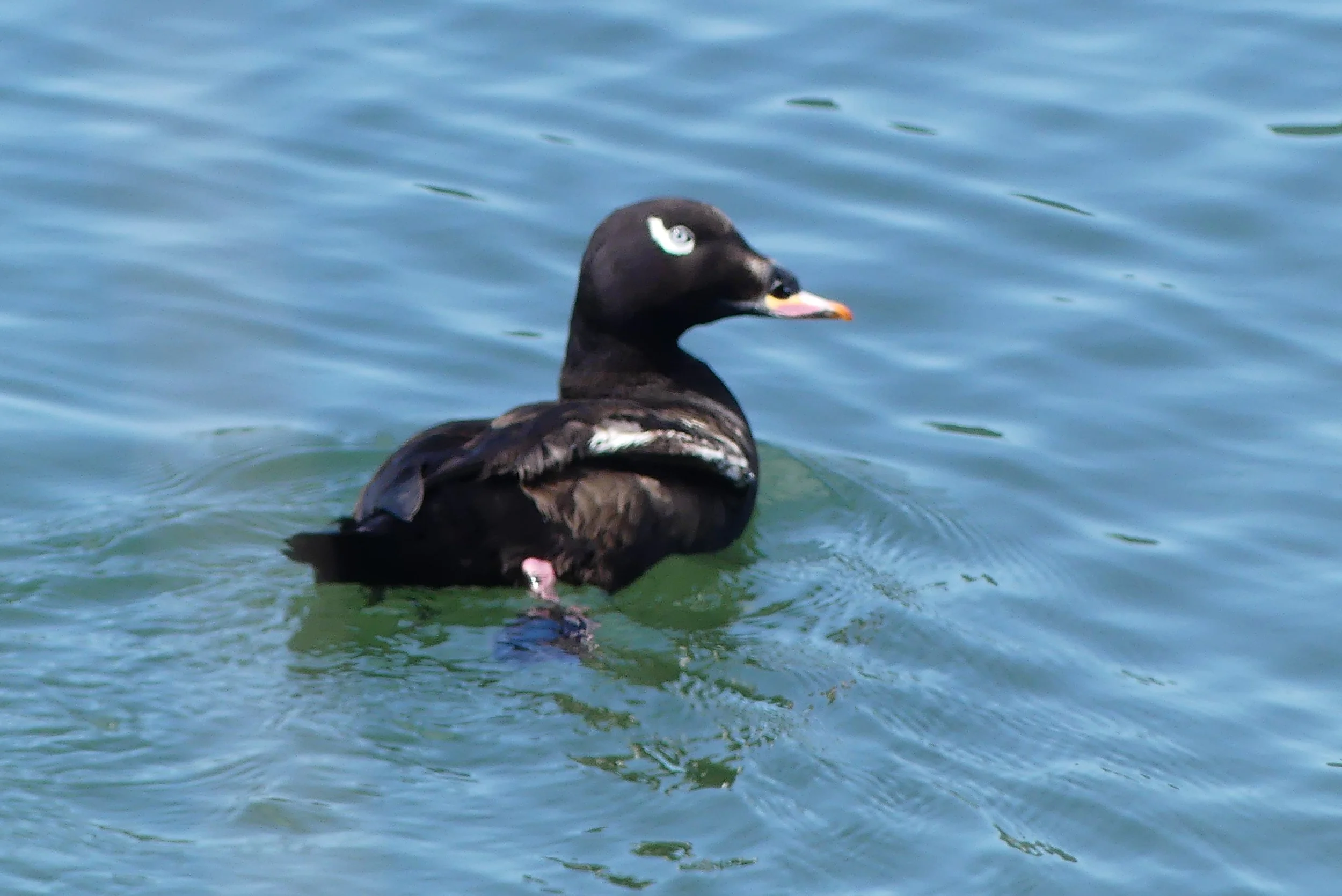
The Common Loon were closer than I had ever seen them before, giving unusually detailed looks at birds I normally only see at a distance. Three Harlequin Duck flew in surprisingly close to shore and immediately became one of the highlights of the morning. I also enjoyed extended looks at White-winged Scoter, a species I encounter far less frequently near Port Orchard.
But the real moment came while slowly scanning farther out into the bay.
One bird immediately stood apart from everything around it. Even at distance, the patterning didn’t fit any of the species I was used to seeing. The light wasn’t ideal and the bird was far enough out to make identification difficult, but the more I watched, the more obvious it became.
A Long-tailed Duck.
I’ve been searching for one for years without success. Several times I had specifically gone looking for the species and come up empty. This time it appeared almost casually—found simply through patient scanning and noticing one bird that didn’t quite fit. Even at distance, the pattern was unmistakable.
After the morning seawatch, we returned to the resort to pack up and take one final walk along Hobuck Beach. That walk ended up producing another surprise.
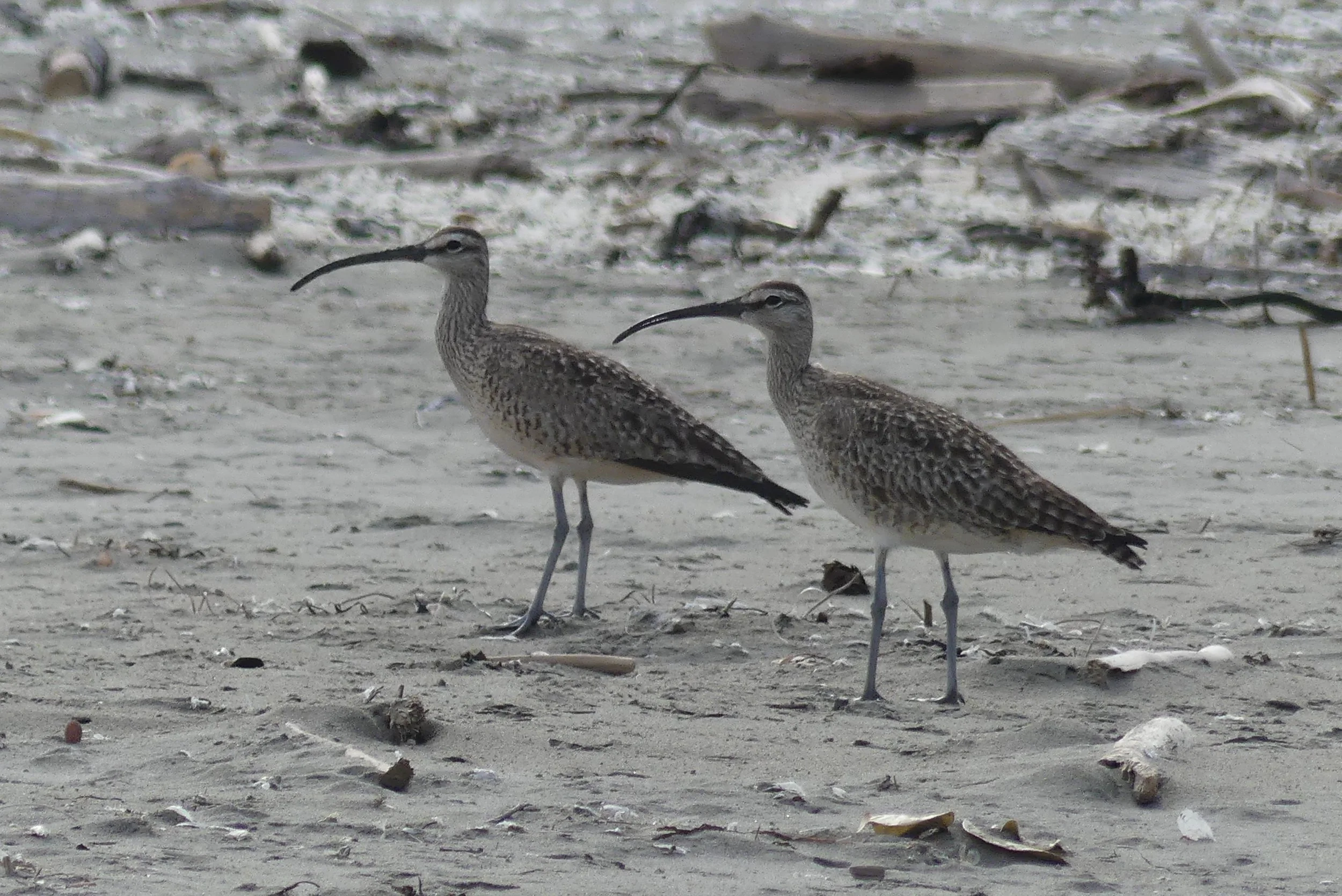
Far down the shoreline I spotted a flock of Hudsonian Whimbrel gathered near the far end of the beach. I made the quarter-mile walk toward them and was rewarded with some of the best looks and photographs I’ve ever had of the species.
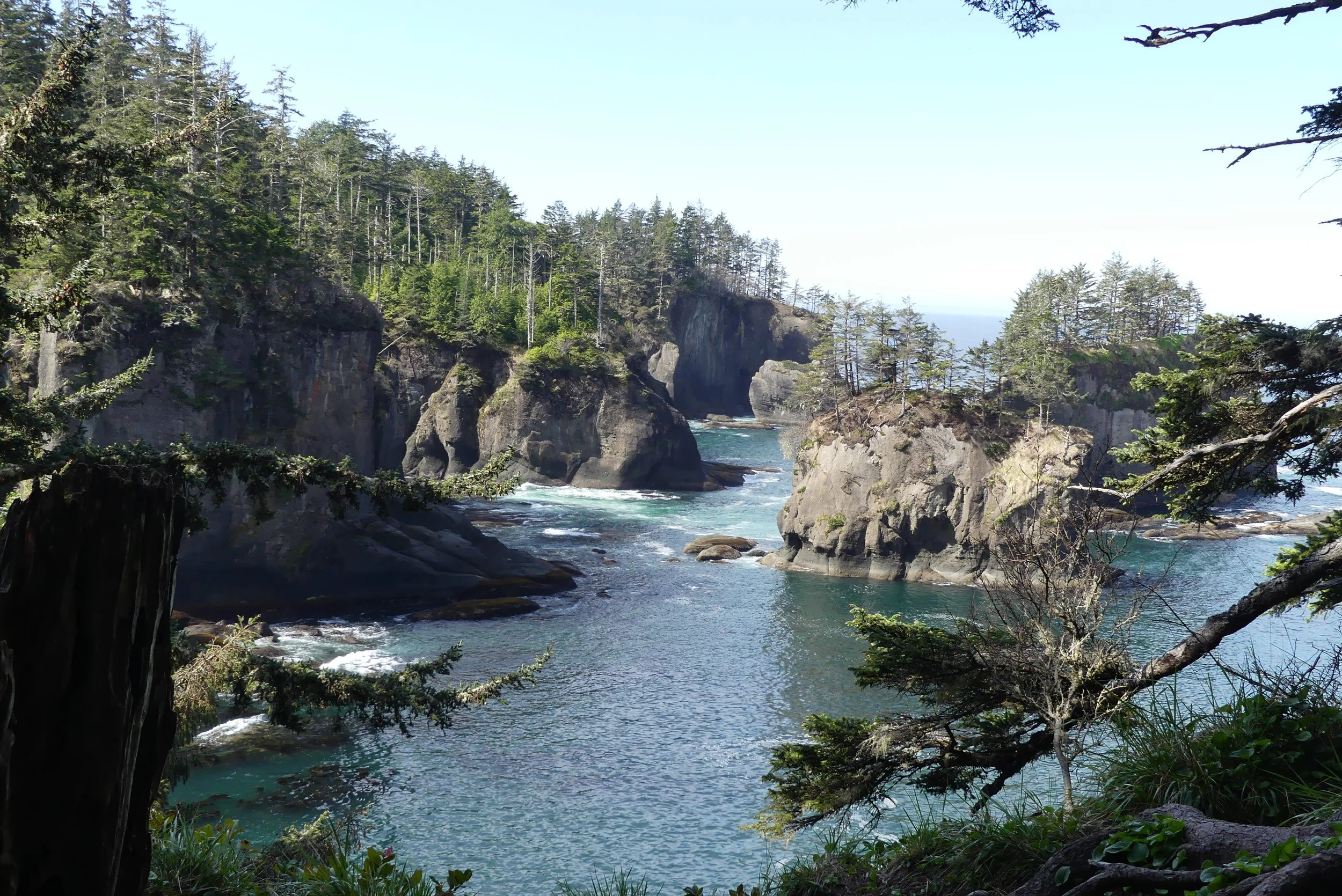
From there we continued on to Cape Flattery to stand at the northwestern-most point of the contiguous United States. More than anything, I wanted my brother to experience the scale and ruggedness of the Washington coast, and Cape Flattery delivered that easily.
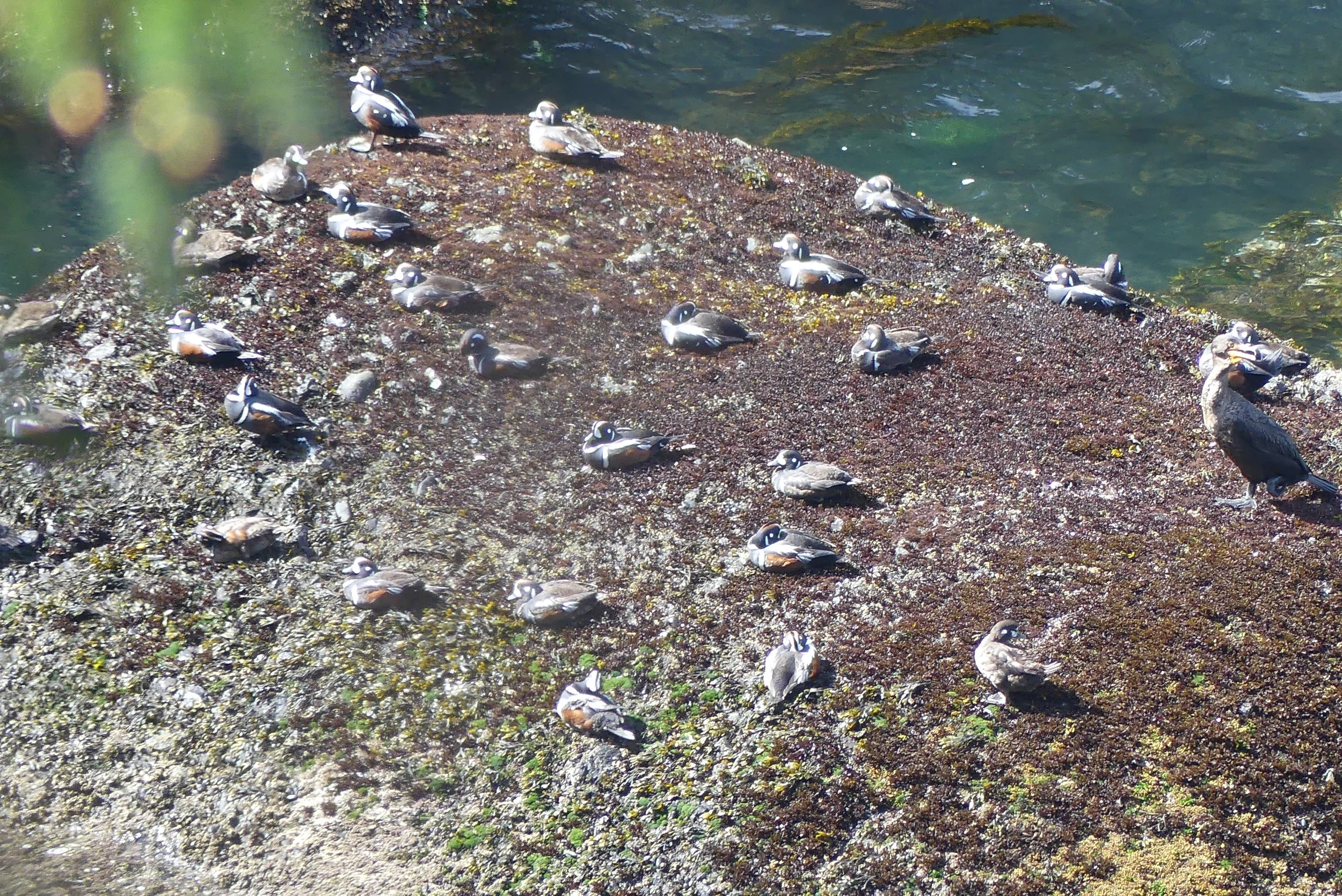
The biggest birding moment there came from a single offshore rock holding roughly twenty-five Harlequin Duck. Before this trip, the three from earlier that morning had already been my largest group sighting. Seeing that many together at once completely changed my perspective on the species.
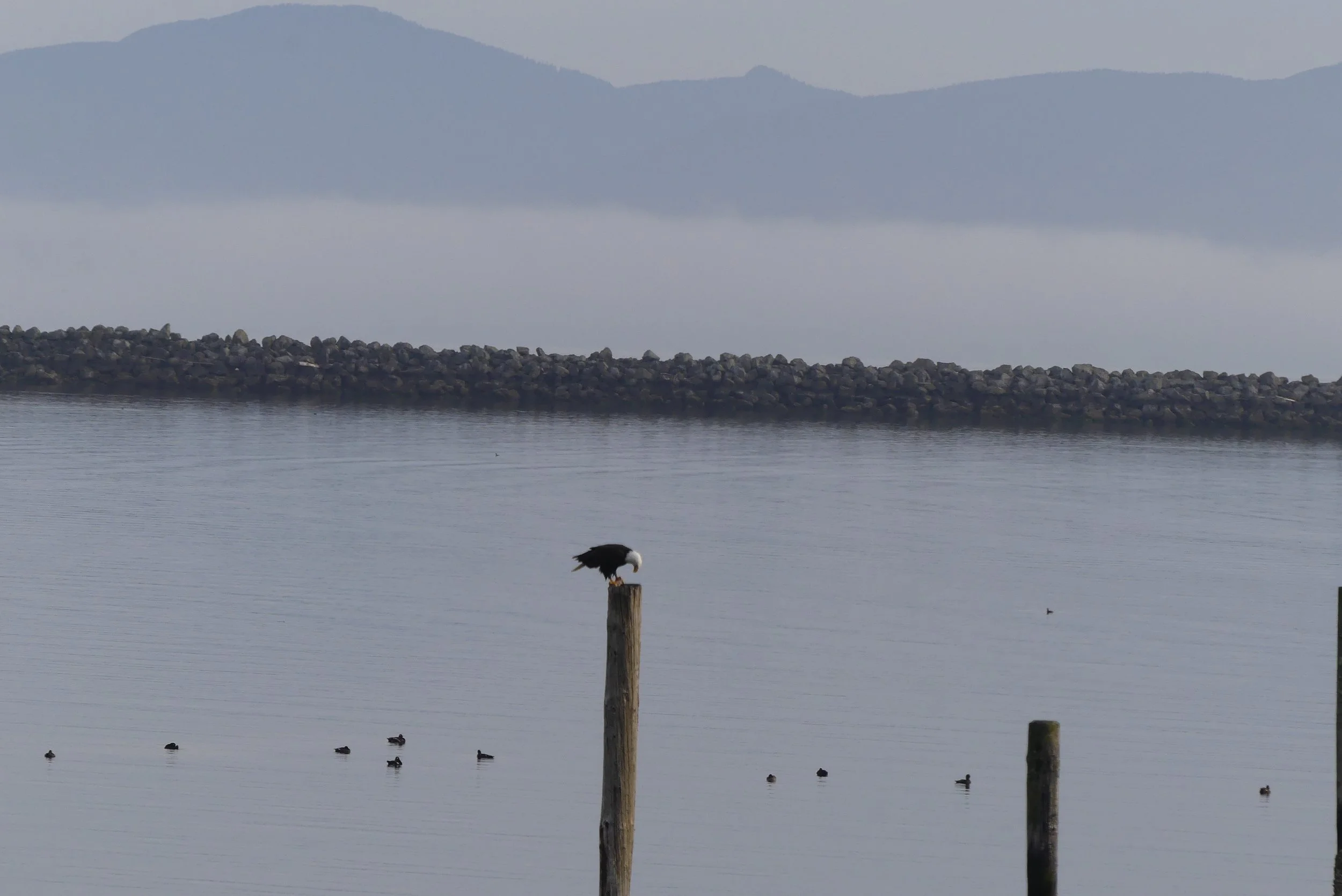
Even lunch back in town became part of the experience. An eagle fed on a carcass barely forty feet away while dozens of sandpipers worked the shoreline nearby. Bald Eagles seemed to occupy nearly every other boat mast in the harbor, and a White-winged Scoter drifted close enough offshore to study comfortably without much effort at all.
Neah Bay, Hobuck Beach, and Cape Flattery ended up being far more than just another stop on the trip. Between the seabirds, rugged coastline, marine life, and sheer scale of the landscape, the area left all three of us with a deeper appreciation for how wild the outer edge of Washington still feels.
Next up: Sol Duc Falls and Lake Crescent.
Field Notes — Evening at Neah Bay
Location: Neah Bay and Hobuck Beach, Washington
Date: Late April 2026
Habitat: Coastal bay, shoreline, harbor edge, Pacific coastal waters
Conditions: Calm evening with excellent visibility across the bay
Species Observed (highlights):
Bald Eagle
Western Sandpiper
Black Oystercatcher
Short-billed Dowitcher
Various gull species
Other Observations: Large concentration of Bald Eagles perched overlooking the harbor; constant shorebird activity along the bay during evening light.
Field Notes — Neah Bay, Hobuck Beach & Cape Flattery
Location: Neah Bay breakwater, Hobuck Beach, and Cape Flattery, Washington, USA
Date: Late April 2026
Habitat: Open marine waters, rocky shoreline, sandy beach, rugged coastal cliffs
Conditions: Cool coastal morning with calm seas and extended visibility
Species Observed (highlights):
Long-tailed Duck (lifer)
Harlequin Duck
Hudsonian Whimbrel
Common Loon
White-winged Scoter
Surf Scoter
Horned Grebe
Pelagic Cormorant
Double-crested Cormorant
Pigeon Guillemot
Bufflehead
Other Observations: Patient seawatching rewarded extended looks at several marine species; Cape Flattery provided the largest Harlequin Duck gathering I had ever encountered.
Enjoyed this field note?
Subscribe below for occasional observations and reflections from The Perch & The Path.