Day One: Ridgefield to Grays Harbor
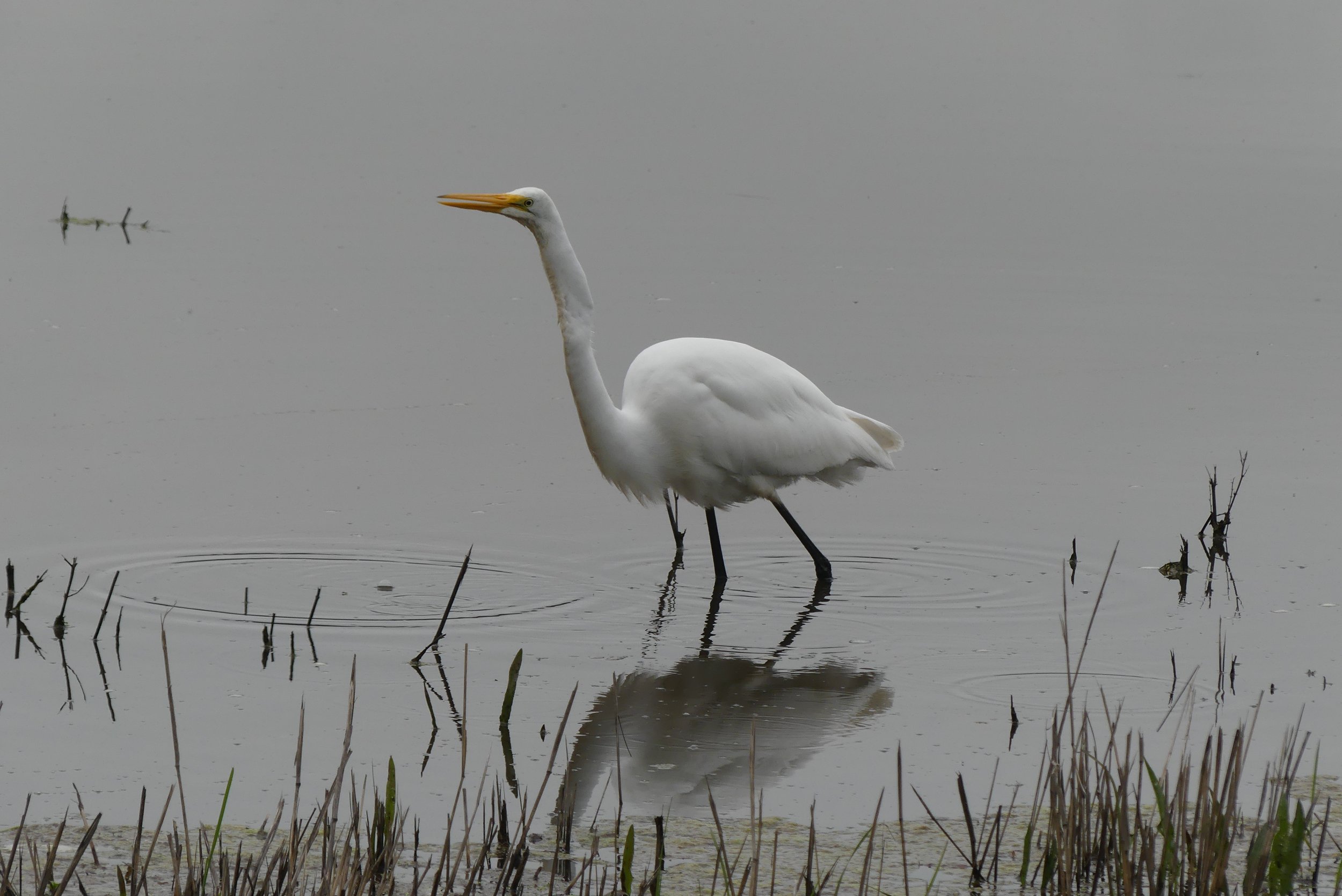
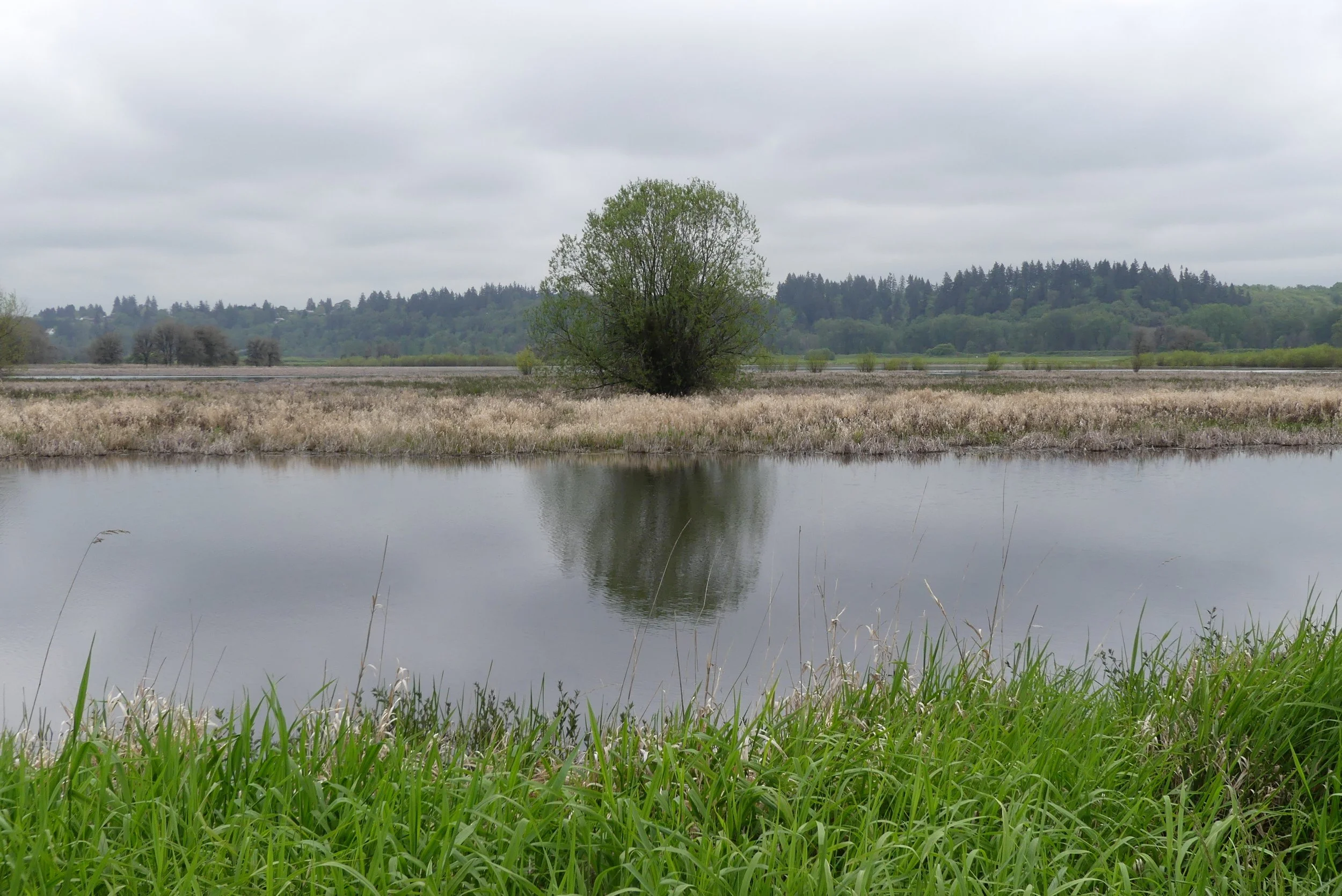
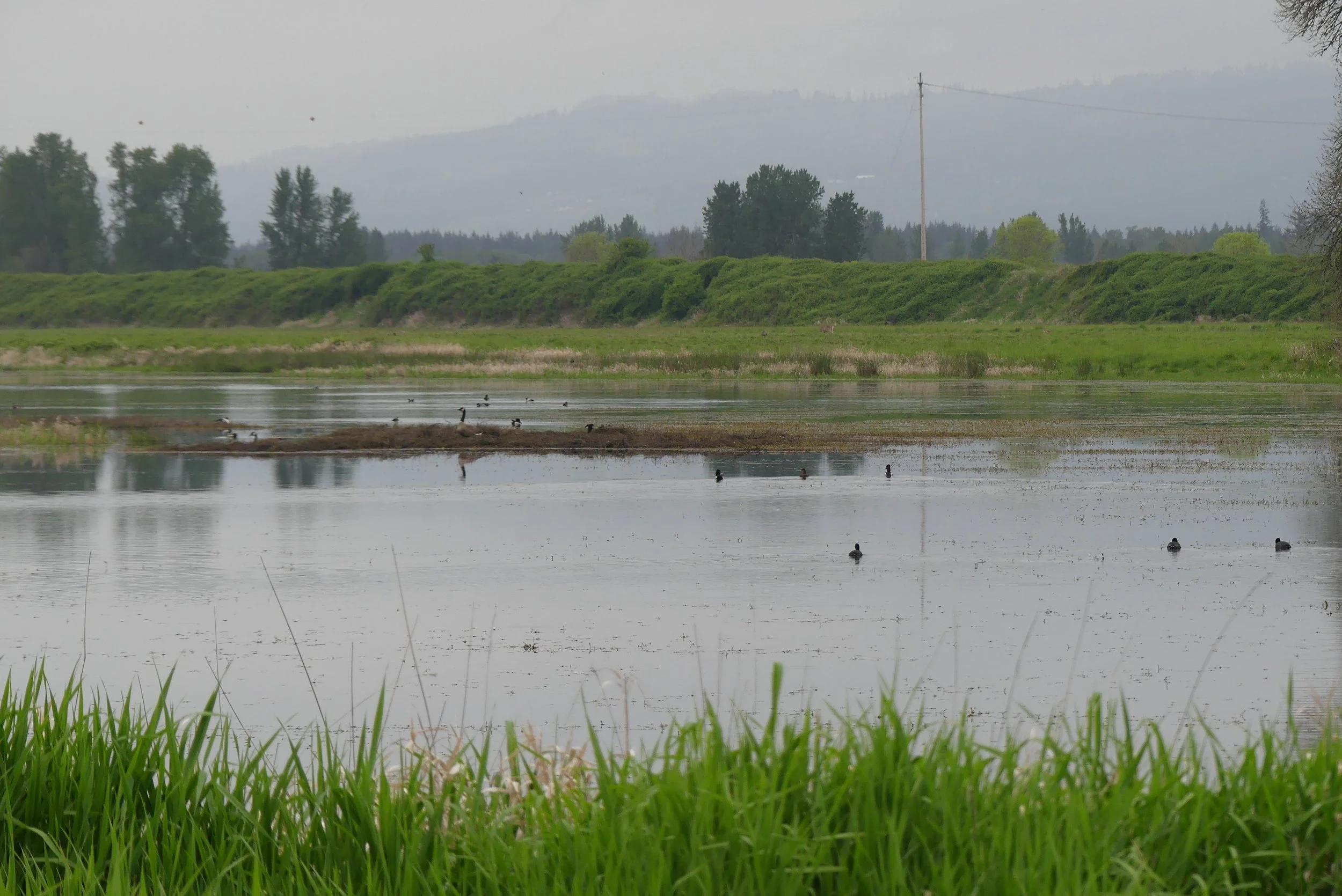
Day one of six around the Olympic Mountains started with a detour. For my 50th birthday, I planned this trip to circle the Olympics, mixing birding with time in the landscape, but I couldn’t pass up a long-awaited stop at Ridgefield National Wildlife Refuge. It added time and distance to the route, but it felt like the right way to begin—starting the trip in a place known for birds and seeing what the day would offer.
It didn’t take long to know it was the right call.
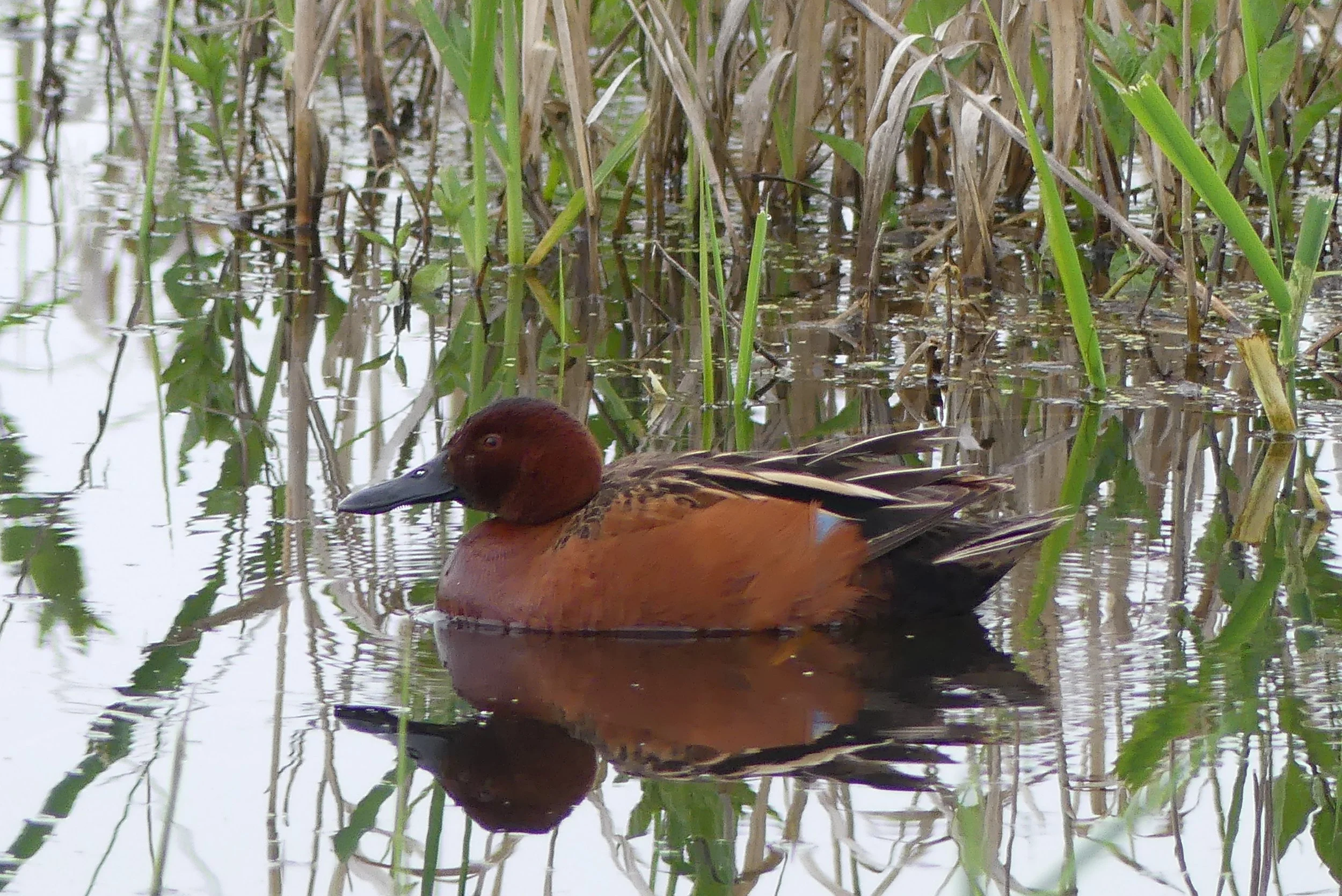
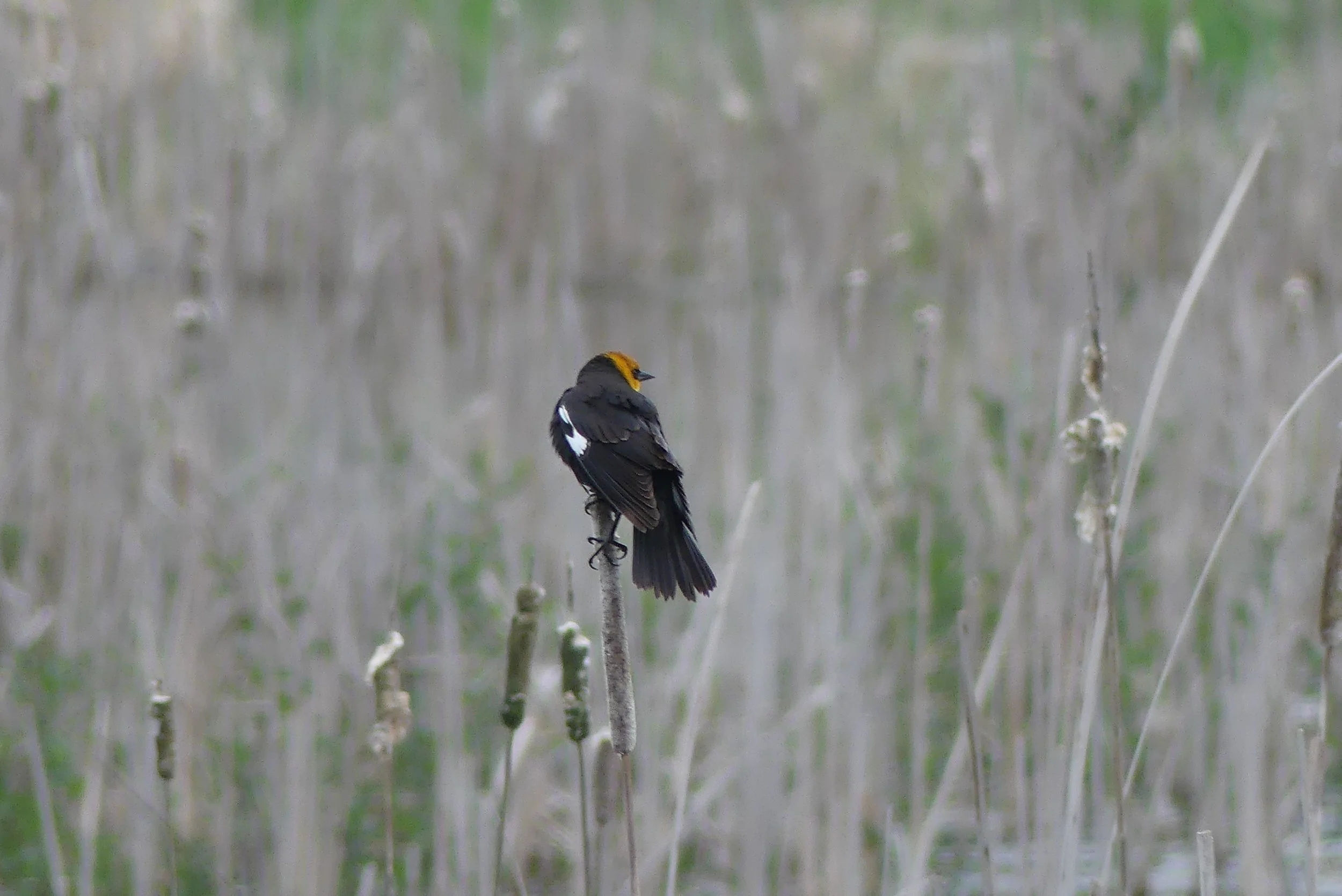
Ridgefield was a duck-filled landscape almost immediately, and within that movement I found my first lifer of the trip—a Cinnamon Teal. Not long after, a Yellow-headed Blackbird made an appearance, followed by a single Sandhill Crane standing out in the distance. It felt like the kind of place where something could show up at any moment, and often did.
Toward the end of the driving loop, that feeling paid off. An American Bittern lifted out of the reeds and flew across the pond before dropping back down just 30 feet away. We moved toward where it landed, hoping for another look, but it disappeared completely into the vegetation—there one moment, gone the next.
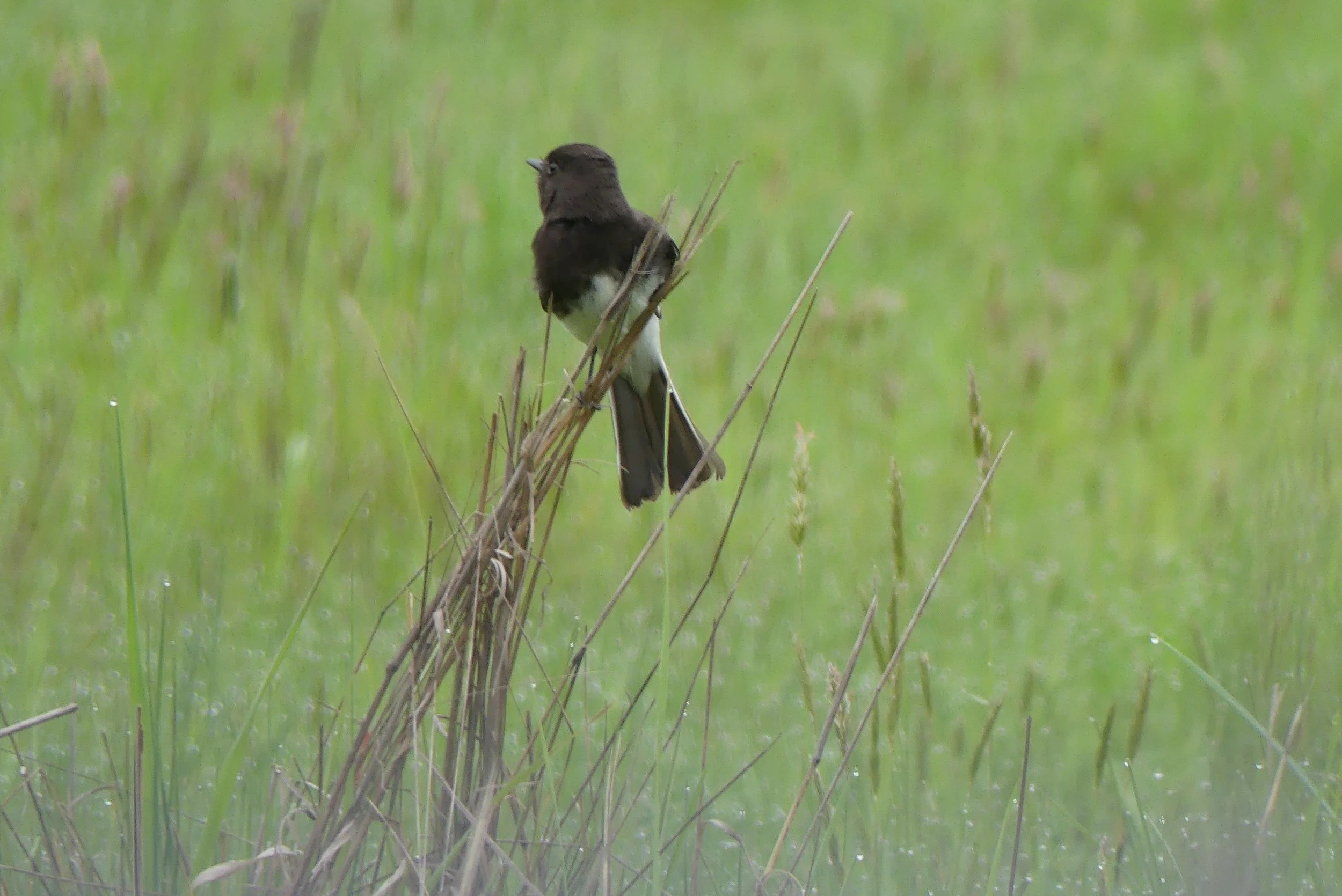
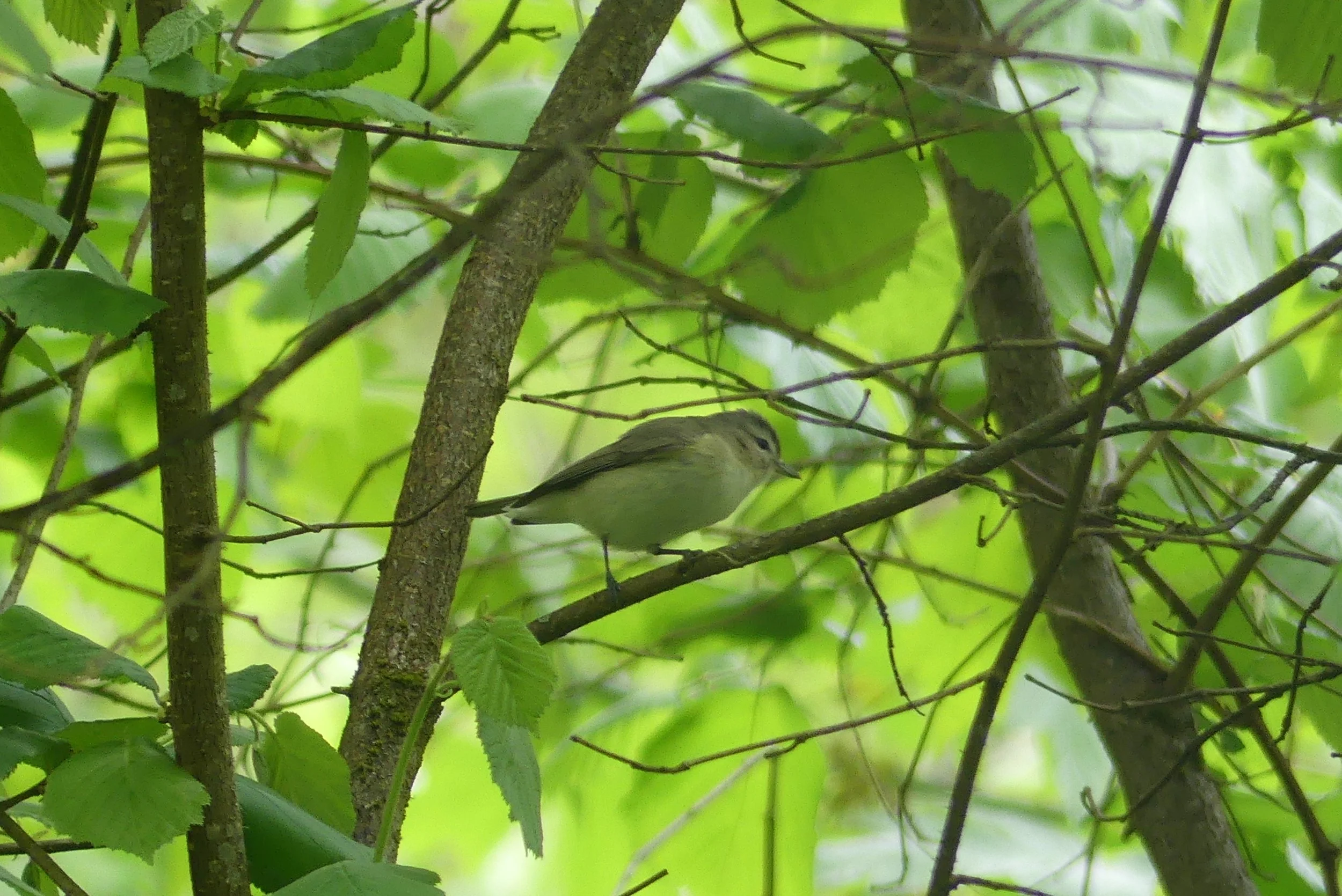
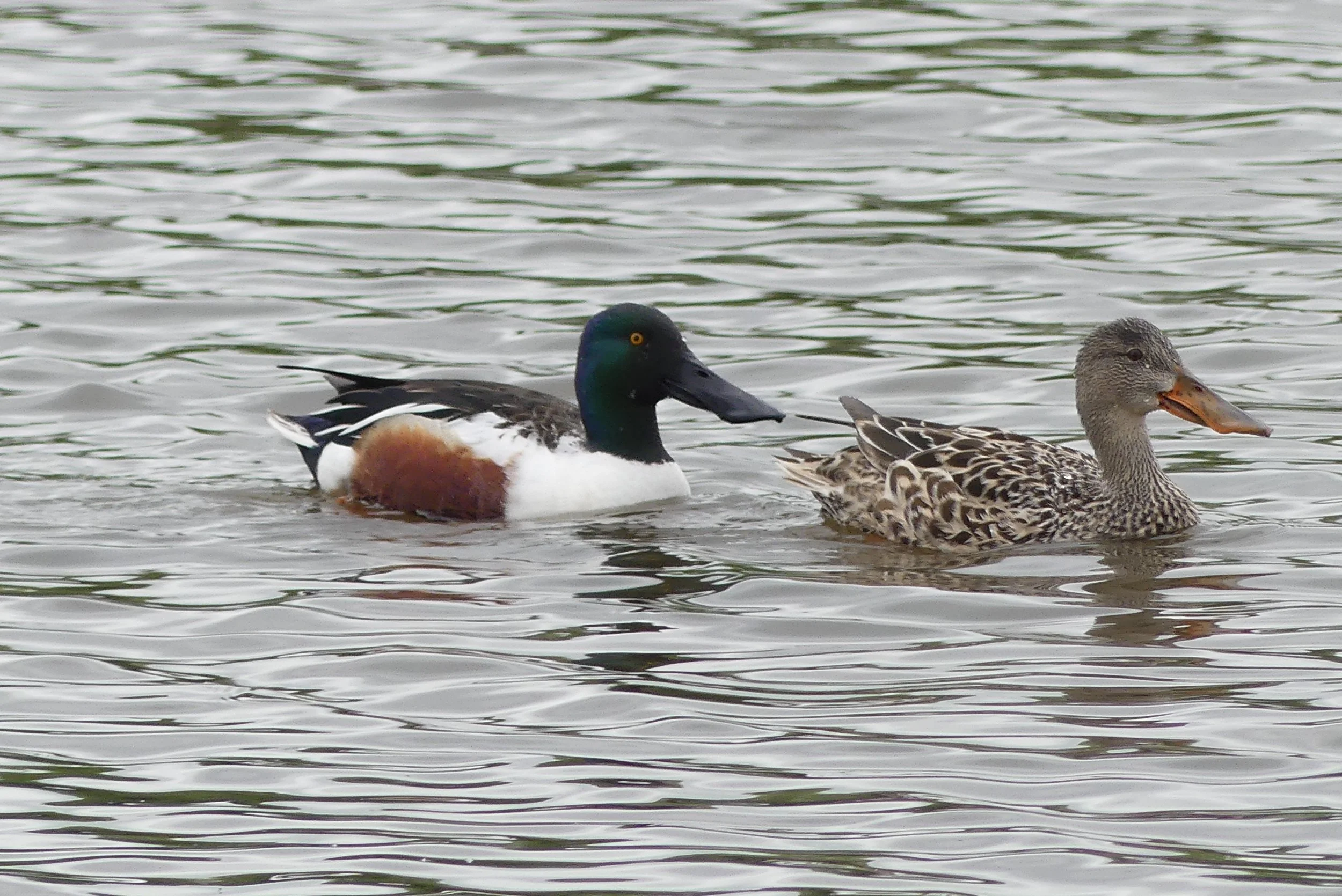
My brother, who I’m slowly trying to turn into a birder, was enthralled for much of the drive. Birds like Northern Shoveler, Ruddy Duck—with that bright blue bill—Black Phoebe, and California Scrub-Jay gave him plenty to pay attention to. After the auto loop, we made a quick stop and walk at the Carty Unit, where I picked up a Warbling Vireo moving through the trees. Between the two areas we managed 45 species.
From there, we continued on to Grays Harbor National Wildlife Refuge. The shorebird festival was coming up the following weekend, so I was hoping to catch some early movement. But timing matters in birding, and I got this one wrong.
We arrived at the lowest of tides. There was no visible water, just a wide expanse of exposed mudflat. The shorebirds were out there somewhere—just far beyond view. A few Semipalmated Plover and Western Sandpiper worked closer in, but it was clear this wasn’t the window I had hoped for.
On the way out, a Northern Harrier moved across the landscape, low and steady. Even without a long look, the flight pattern and that distinct white patch on the rump were enough to confirm it. One of those moments where recognition comes from behavior as much as sight.
We did manage see 18 different species even with the limited shorebird activity. Despite the missed timing at Grays Harbor, it was a full day. New species, a few close encounters, and the kind of steady movement that keeps you paying attention.
We made our way to Ocean Shores to settle in for the night, with plans to get out to the beach in the morning.
Field Notes — Ridgefield NWR
Location: Ridgefield NWR, Washington, USA
Date: Late April 2026
Habitat: Freshwater wetlands, managed refuge impoundments, riparian edges
Conditions: Mild spring weather; slightly cloudy skies, good visibility
Species Observed (highlights):
Cinnamon Teal (lifer)
Yellow-headed Blackbird (lifer)
Sandhill Crane (lifer)
American Bittern (WA lifer)
Northern Shoveler
Ruddy Duck
Black Phoebe
California Scrub-Jay
Warbling Vireo
Other Observations: High bird activity throughout the driving loop; frequent movement across wetlands; brief but close encounter with American Bittern disappearing quickly into reeds.
Field Notes — Grays Harbor NWR
Location: Grays Harbor NWR, Washington, USA
Date: Late April 2026
Habitat: Coastal mudflats, estuarine shoreline
Conditions: Clear skies; extreme low tide limiting visible water and bird proximity
Species Observed (highlights):
Semipalmated Plover
Western Sandpiper
Northern Harrier
Marsh Wren
Orange-crowned Warbler
Northern Yellow Warbler
Other Observations: Tidal timing significantly impacted bird visibility; most shorebirds likely present but far beyond viewing range; Northern Harrier provided a strong behavioral ID moment (low flight, white rump patch).
Enjoyed this field note?
Subscribe below for occasional observations and reflections from The Perch & The Path.