Day Two: Beaches, Jetties, and the Edge of the Pacific
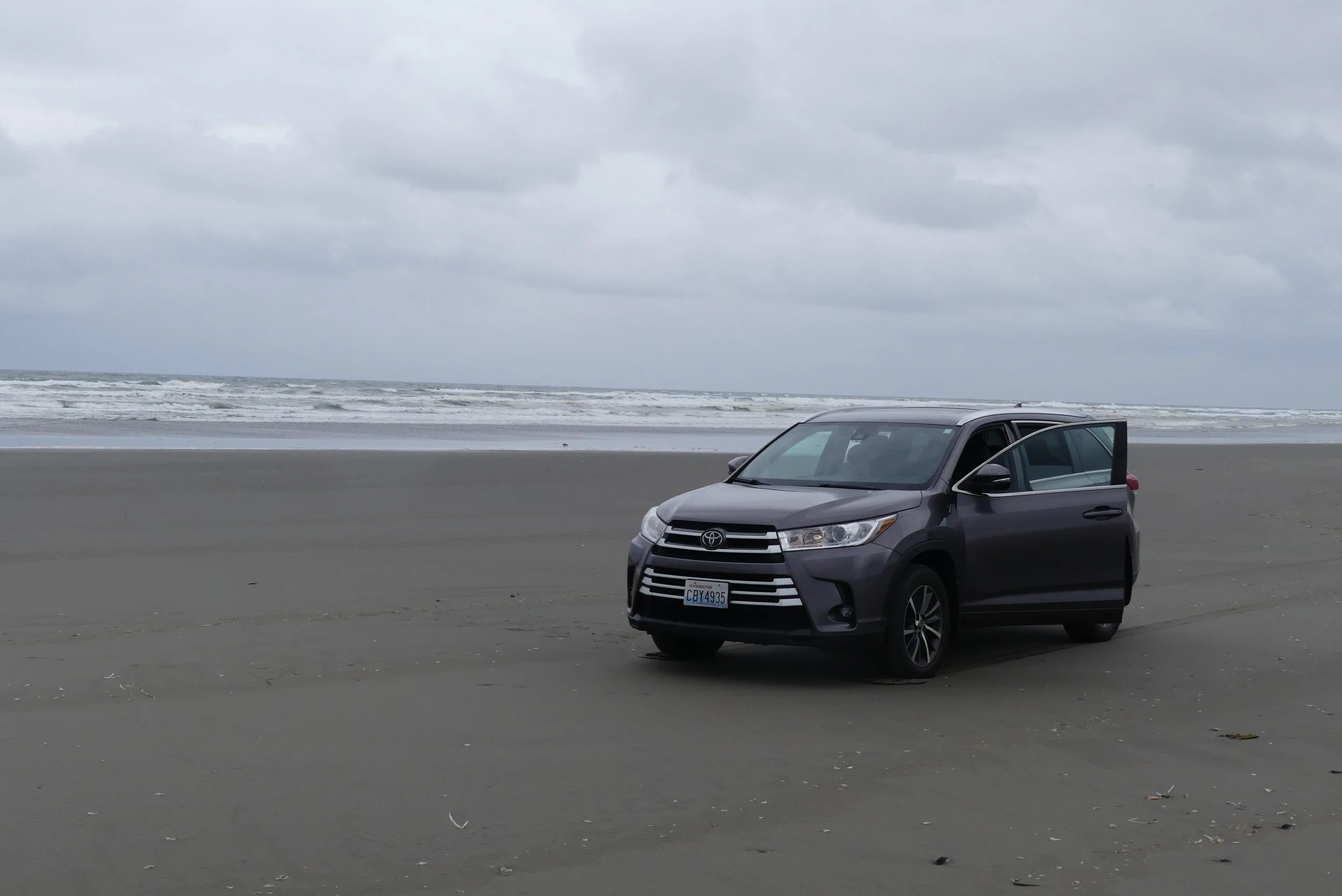
Day two around the Olympic Peninsula started with a simple goal: drive on the beach.
That plan lasted only until the birds started appearing.
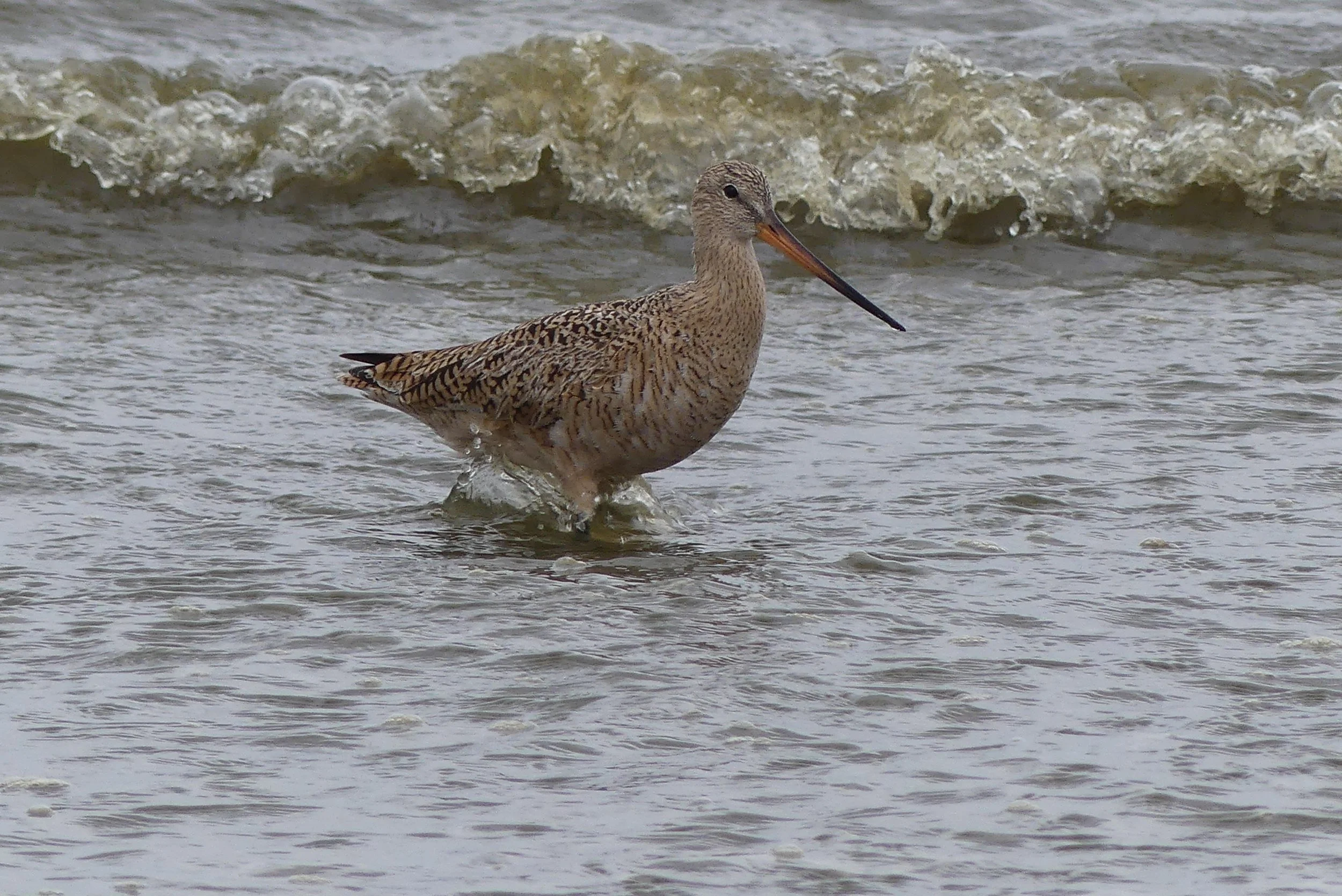
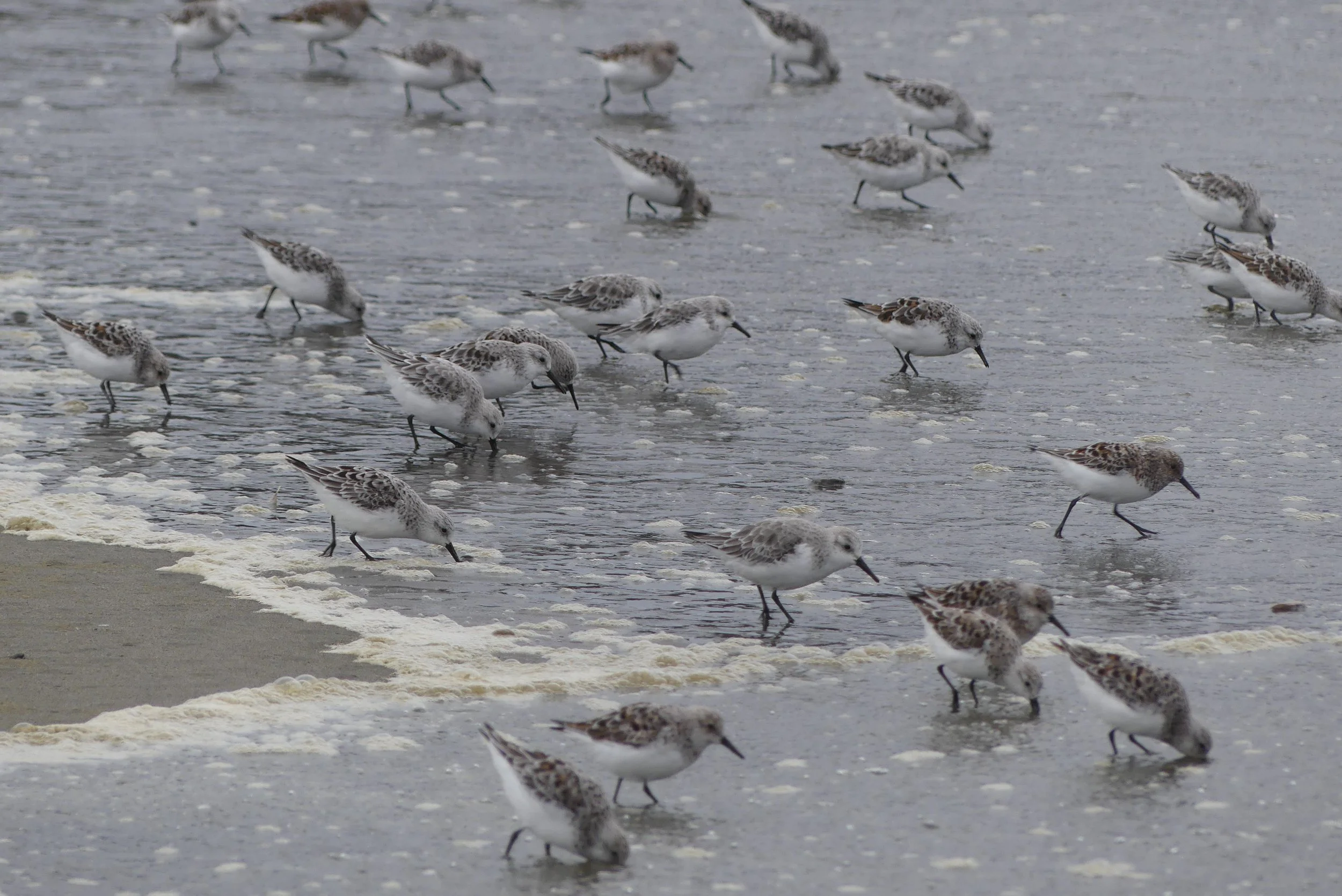
We made our way onto the beach near Ocean Shores, but progress was constantly interrupted by shorebirds pulling our attention away. The first major stop came for some Marbled Godwits—a Washington lifer for me, even though I had previously seen one in California. Not long after, we came across several Black-bellied Plover in breeding plumage. Most of my previous sightings have been during the off-season, so seeing the bold black and silver contrast of their breeding colors felt entirely different. Around them were groups of Western Sandpiper, Sanderling, and Least Sandpiper moving along the surf line.
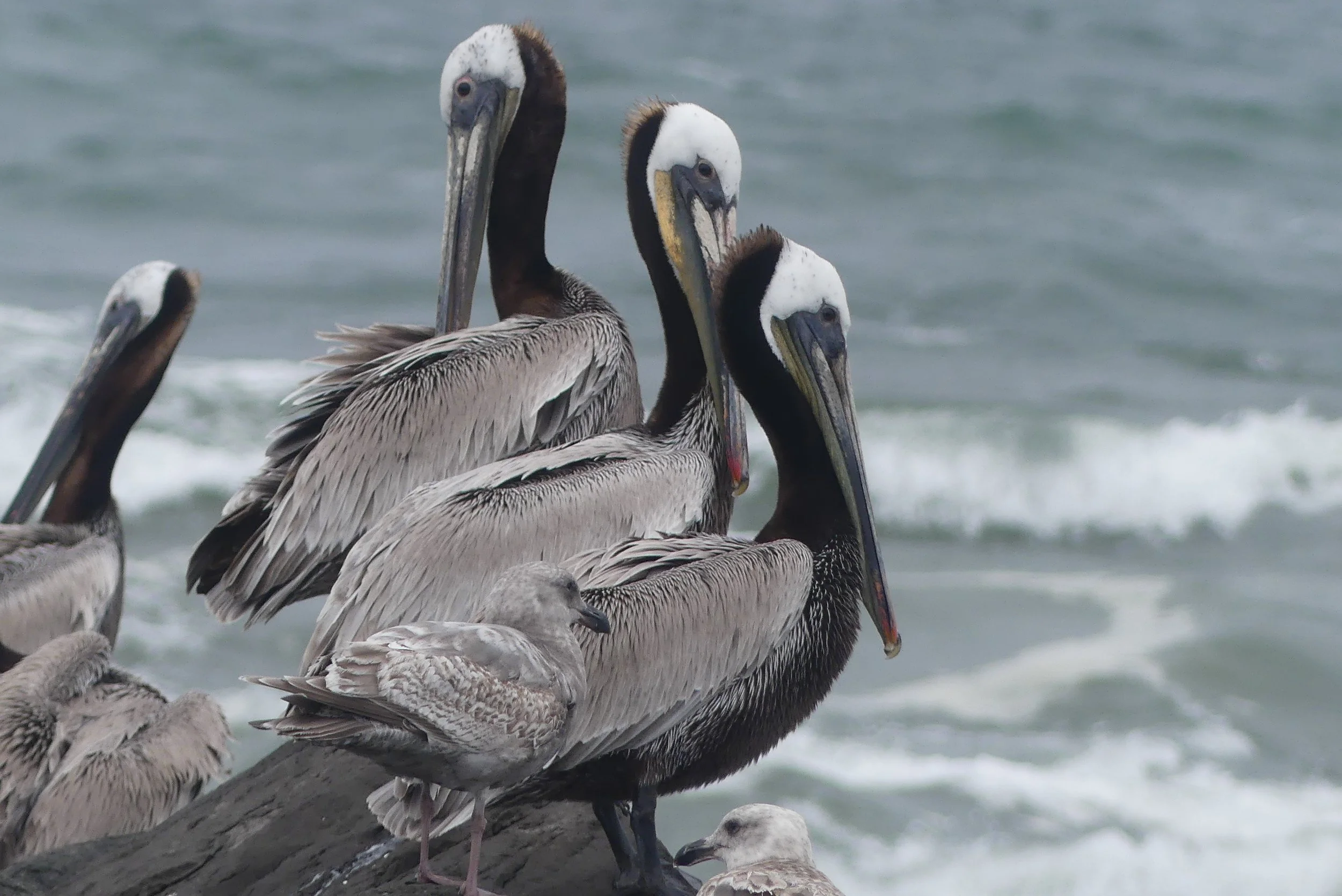
After the beach drive, we headed toward the North Jetty. I had visited a few years ago and remembered getting remarkably close to the Brown Pelicans, so I was hoping my brother would get the same experience.
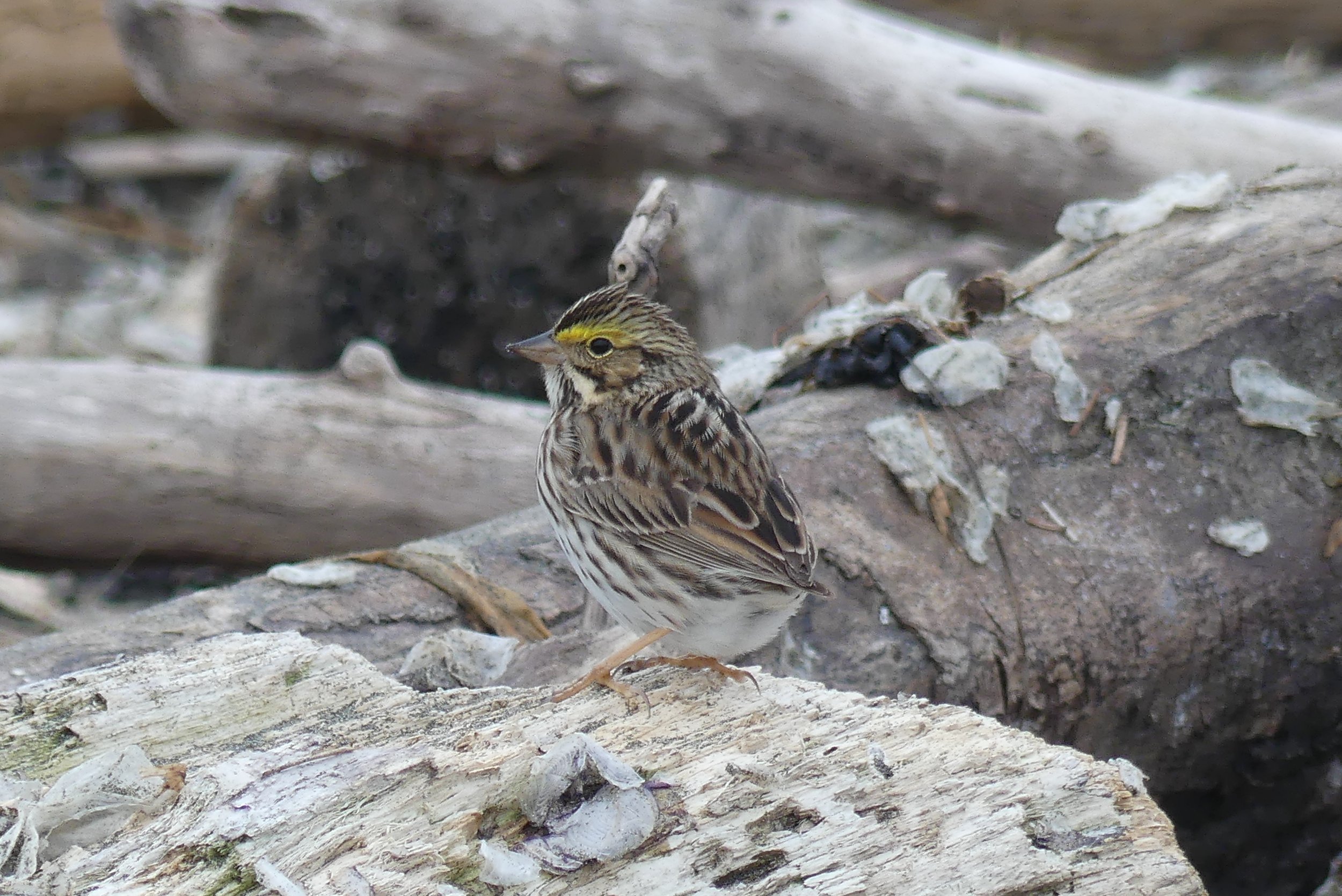
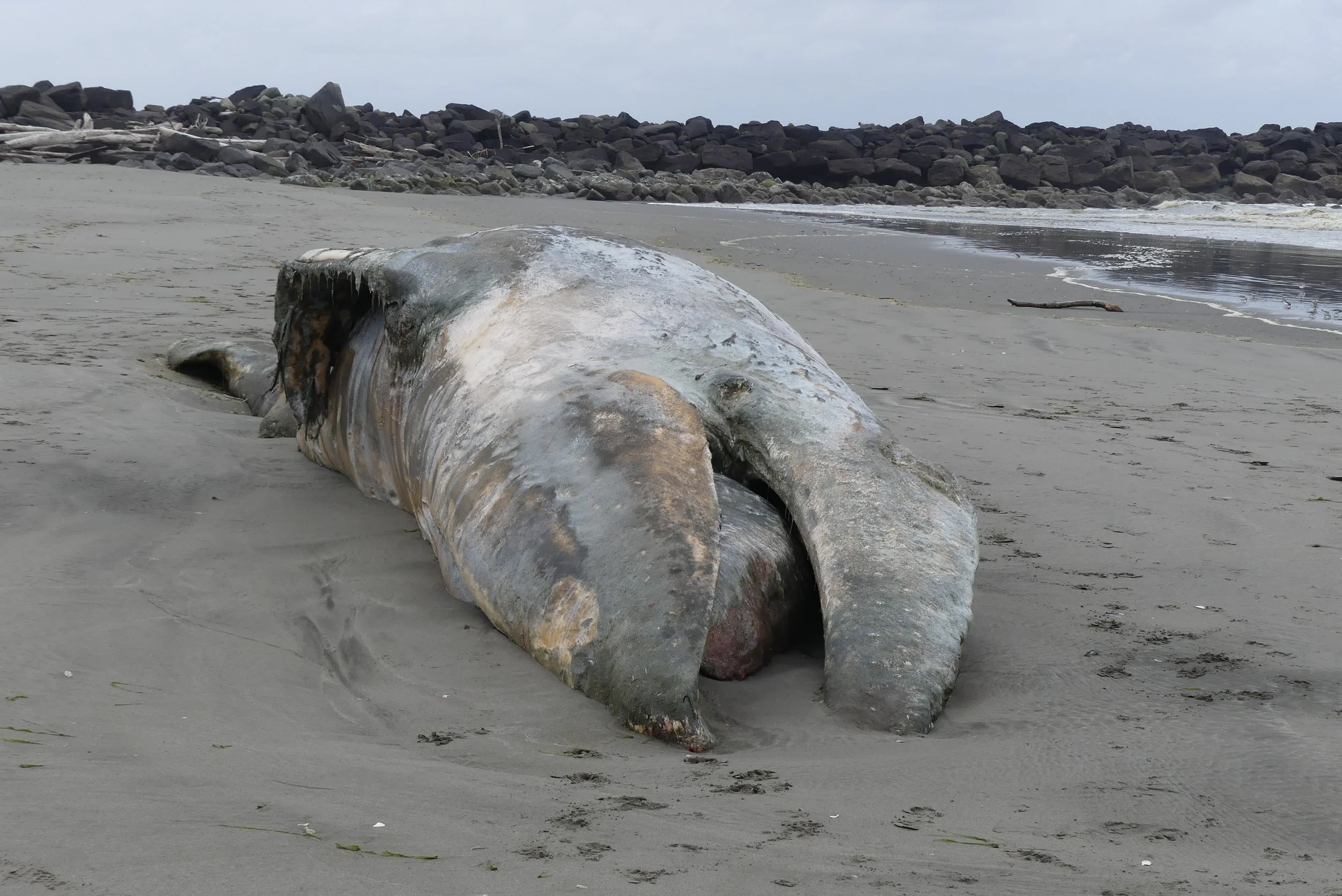
Before we even stepped onto the jetty, a Savannah Sparrow gave us a chance to slow down and talk through field marks and identification. Nearby, we also stopped for a moment at the remains of a dead gray whale washed ashore. Not exactly pleasant, but still one of those reminders that the coastline is active and constantly changing.
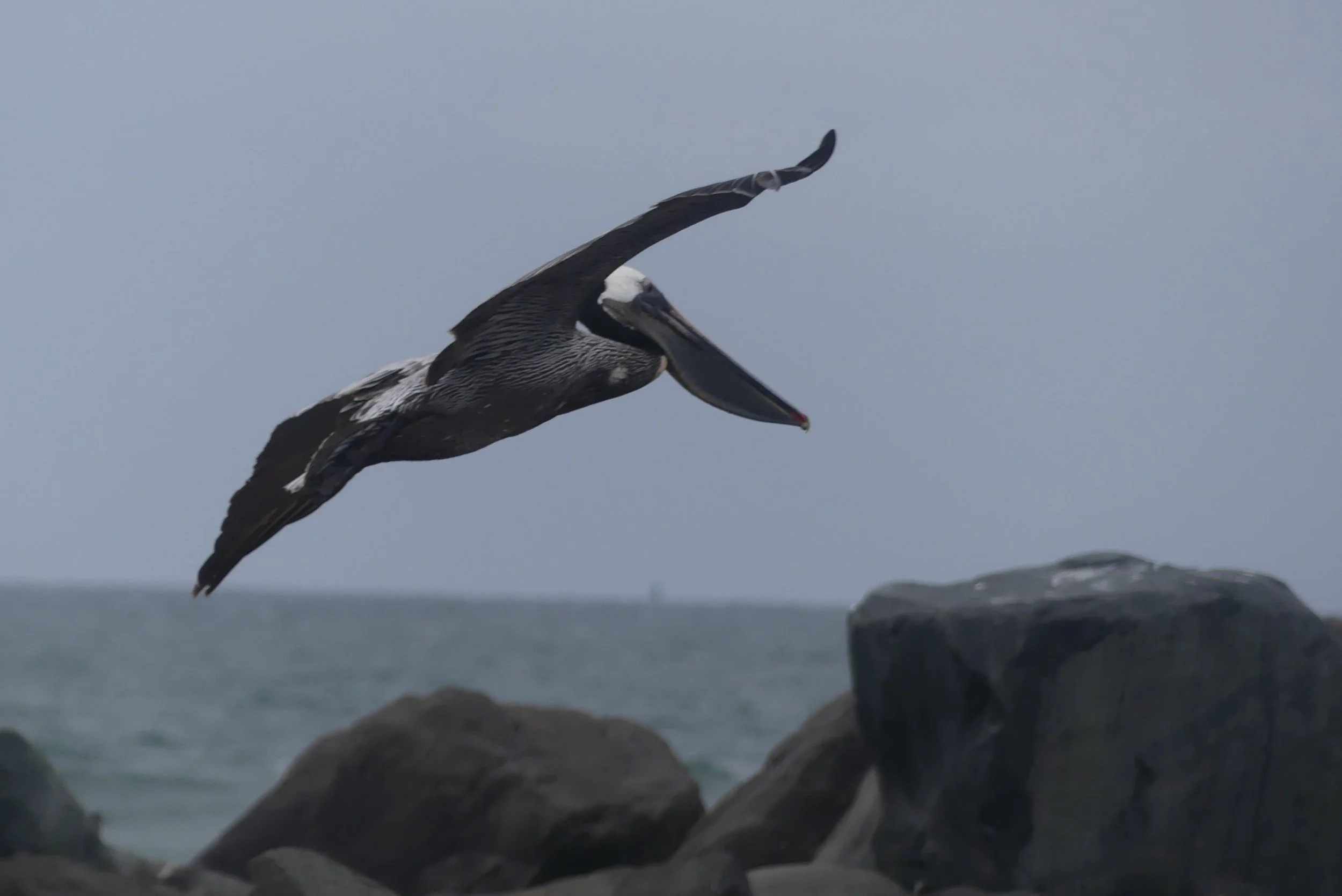
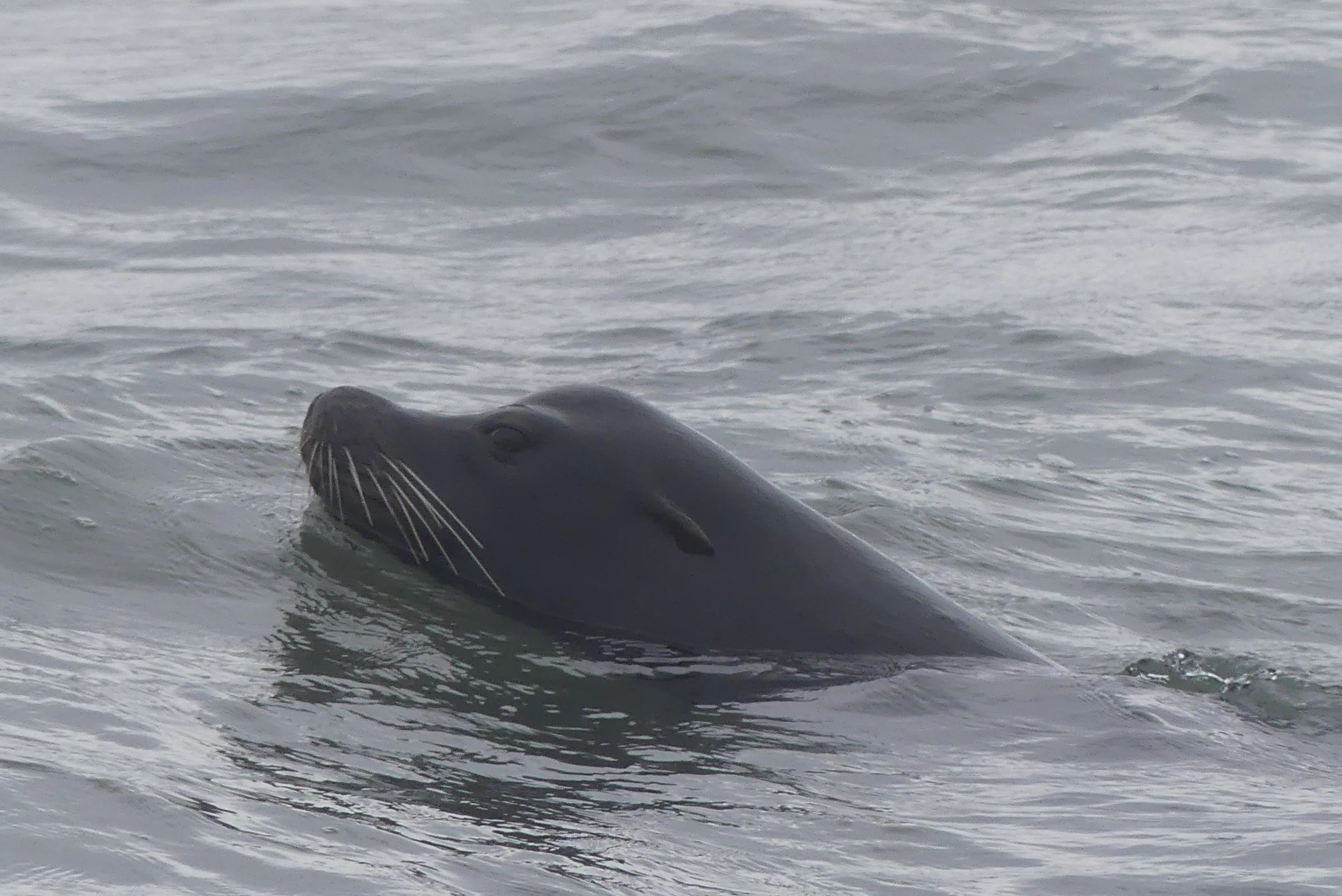
Once out on the jetty, we carefully worked our way across the large rocks. The bird activity picked up quickly—Black Turnstone, Wandering Tattler, gulls, and eventually the pelicans themselves. Watching the pelicans glide low over the water was easily one of the highlights of the stop. Offshore, we could make out distant loon and cormorant silhouettes while several sea lions surfaced briefly around the jetty before disappearing again.
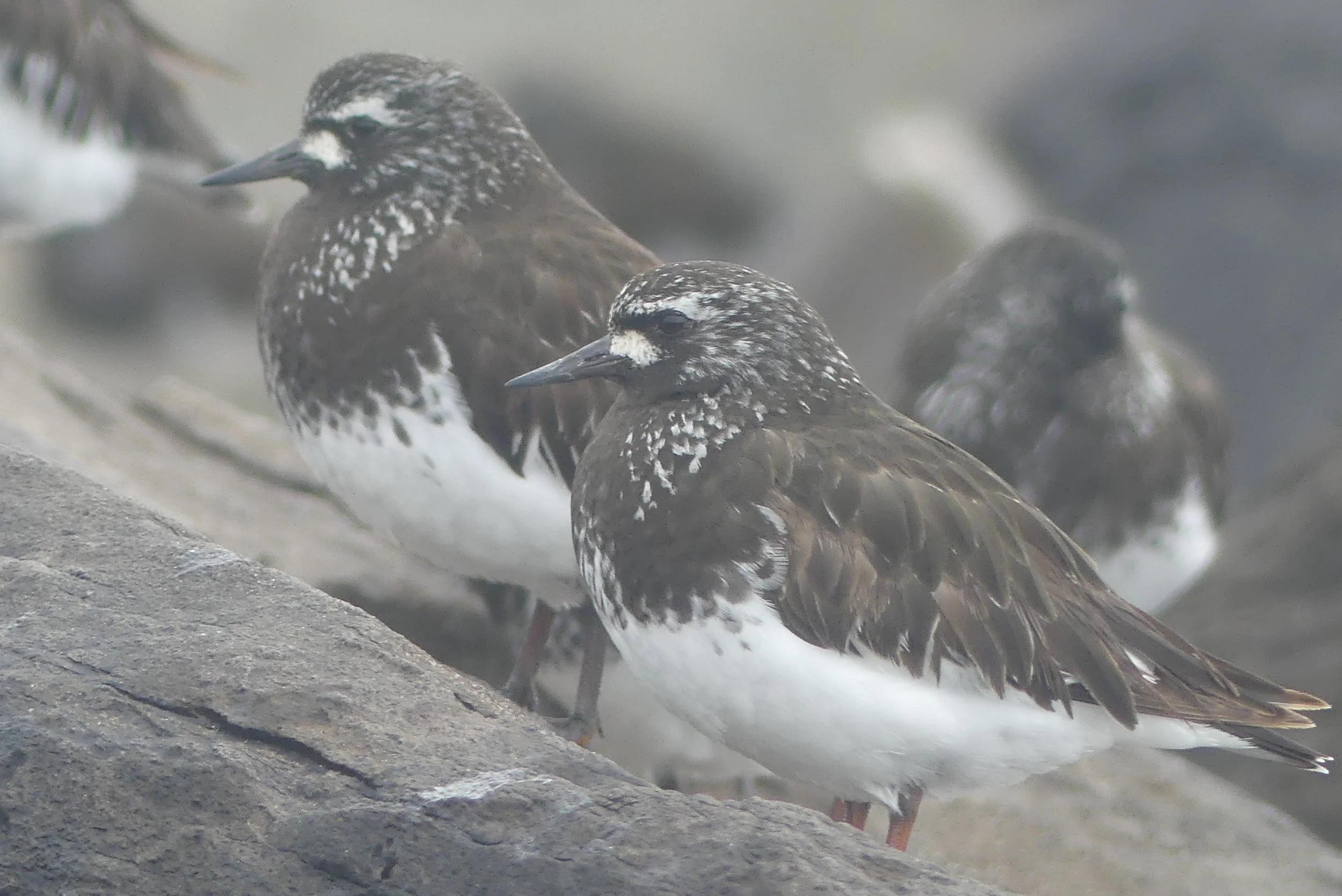
The most memorable moment for me, though, ended up being the Black Turnstones. Not because they were rare, but because they let us get incredibly close. Nearly thirty birds sat unconcerned on the rocks as we approached, allowing for a much more personal look before the flock finally lifted off together.
After lunch, we continued north toward Lake Quinault. Bird activity was quieter there, though we still came across a few warblers, Steller's Jay, the usual American Robin activity, and a Pacific Wren that sang close enough for us to fully appreciate its surprisingly powerful voice.
We took a short walk through the rainforest before continuing on to Ruby Beach. The coastline there always feels dramatic—sea stacks, driftwood, and surf stretching in every direction. Bird activity was lighter, though we did come across a deceased Pelagic Cormorant along the beach. On the way back out, a Wilson's Warbler gave us one final good look before we moved on.
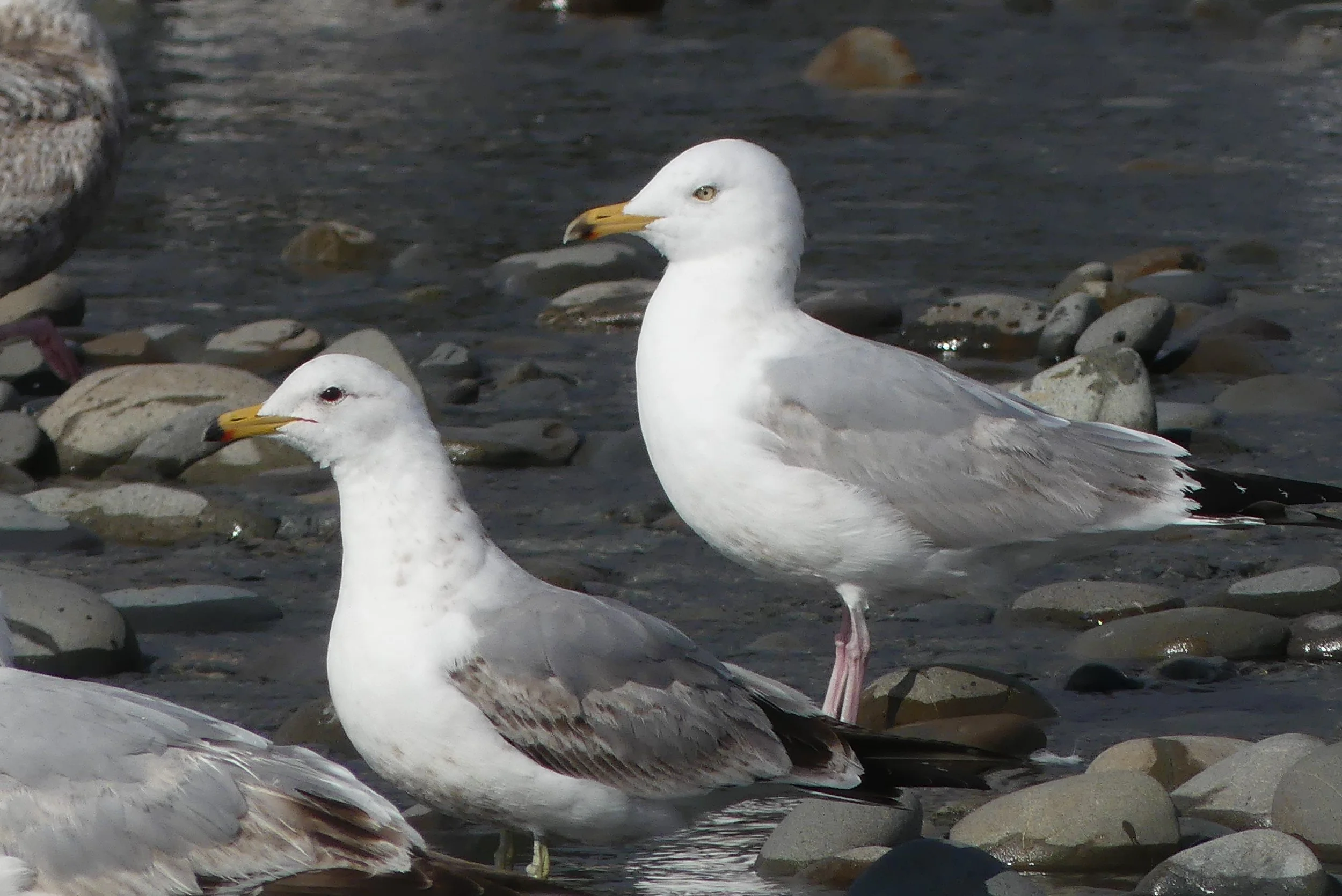
By evening we arrived at Kalaloch Lodge and settled in for the night. Before turning in, I took one last walk down to where Kalaloch Creek empties into the Pacific. Gulls covered the beach, and since gull identification is still a weak spot for me, I spent some time carefully comparing California Gull and American Herring Gull side by side. It wasn’t a dramatic ending to the day, but it felt fitting—slowing down, looking longer, and trying to notice details I normally overlook.
Tomorrow: Hoh Rain Forest.
Field Notes — Ocean Shores & North Jetty
Location: Ocean Shores and North Jetty, Washington,
Date: Late April 2026
Habitat: Sandy beach, rocky jetty, coastal shoreline, open Pacific waters
Conditions: Mild coastal weather with intermittent clouds and ocean wind
Species Observed (highlights):
Marbled Godwit
Black-bellied Plover (breeding plumage)
Western Sandpiper
Sanderling
Least Sandpiper
Savannah Sparrow
Black Turnstone
Wandering Tattler
Brown Pelican
Other Observations: Shorebird activity repeatedly interrupted beach driving plans; close-range views of Black Turnstones provided unusually intimate observation opportunities; several sea lions observed offshore.
Field Notes — Lake Quinault, Ruby Beach & Kalaloch
Location: Lake Quinault, Ruby Beach, and Kalaloch, Washington
Date: Late April 2026
Habitat: Temperate rainforest, rugged coastline, creek mouth, mixed conifer forest
Conditions: Cool coastal conditions with variable cloud cover
Species Observed (highlights):
Pacific Wren
Steller's Jay
American Robin
Wilson's Warbler
California Gull
American Herring Gull
Other Observations: Bird activity quieter in rainforest sections than expected; evening gull comparisons at Kalaloch highlighted the value of slowing down and studying commonly overlooked species.
Enjoyed this field note?
Subscribe below for occasional observations and reflections from The Perch & The Path.