Discovering Chico Creek
Saturday turned into a day of discovery.
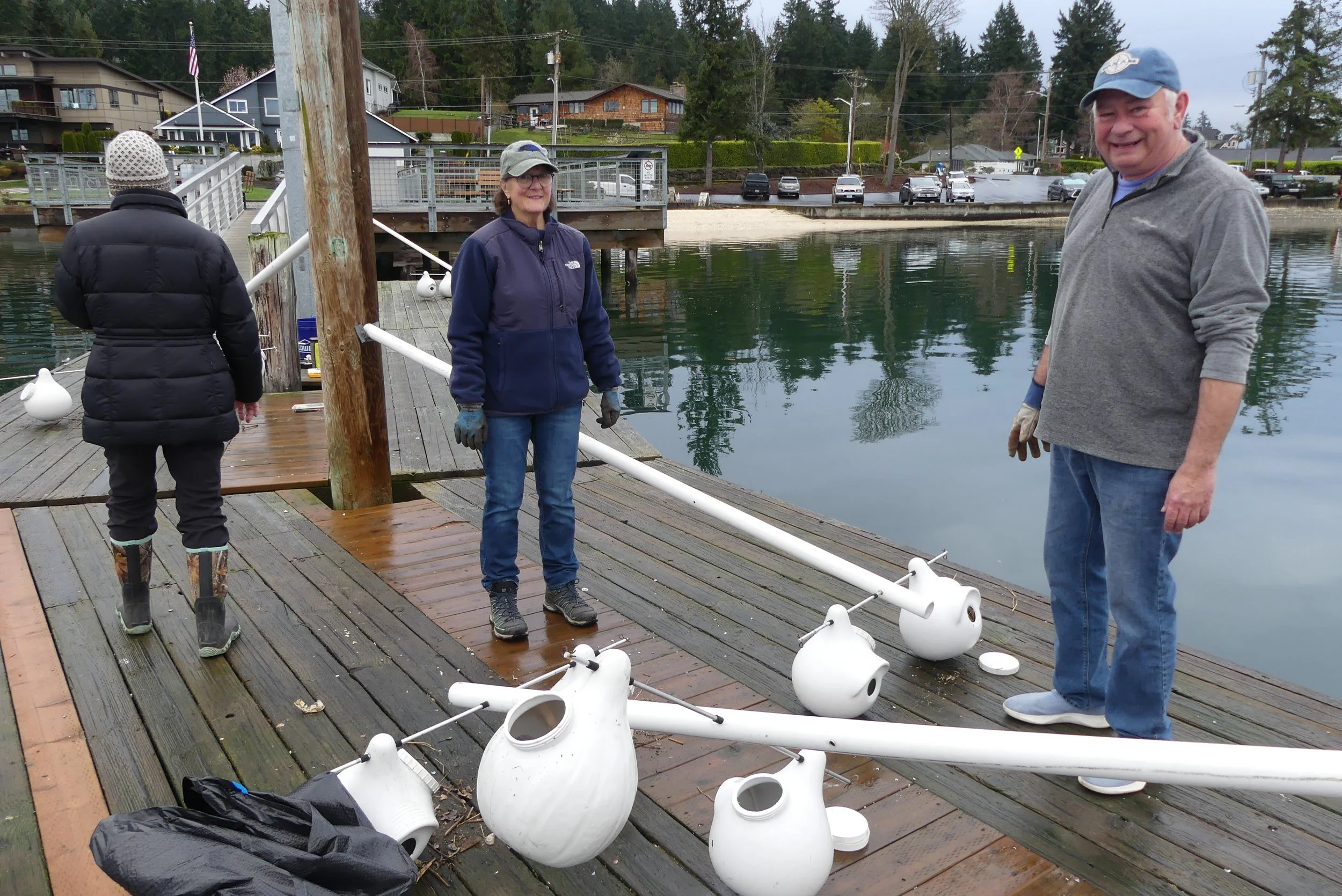
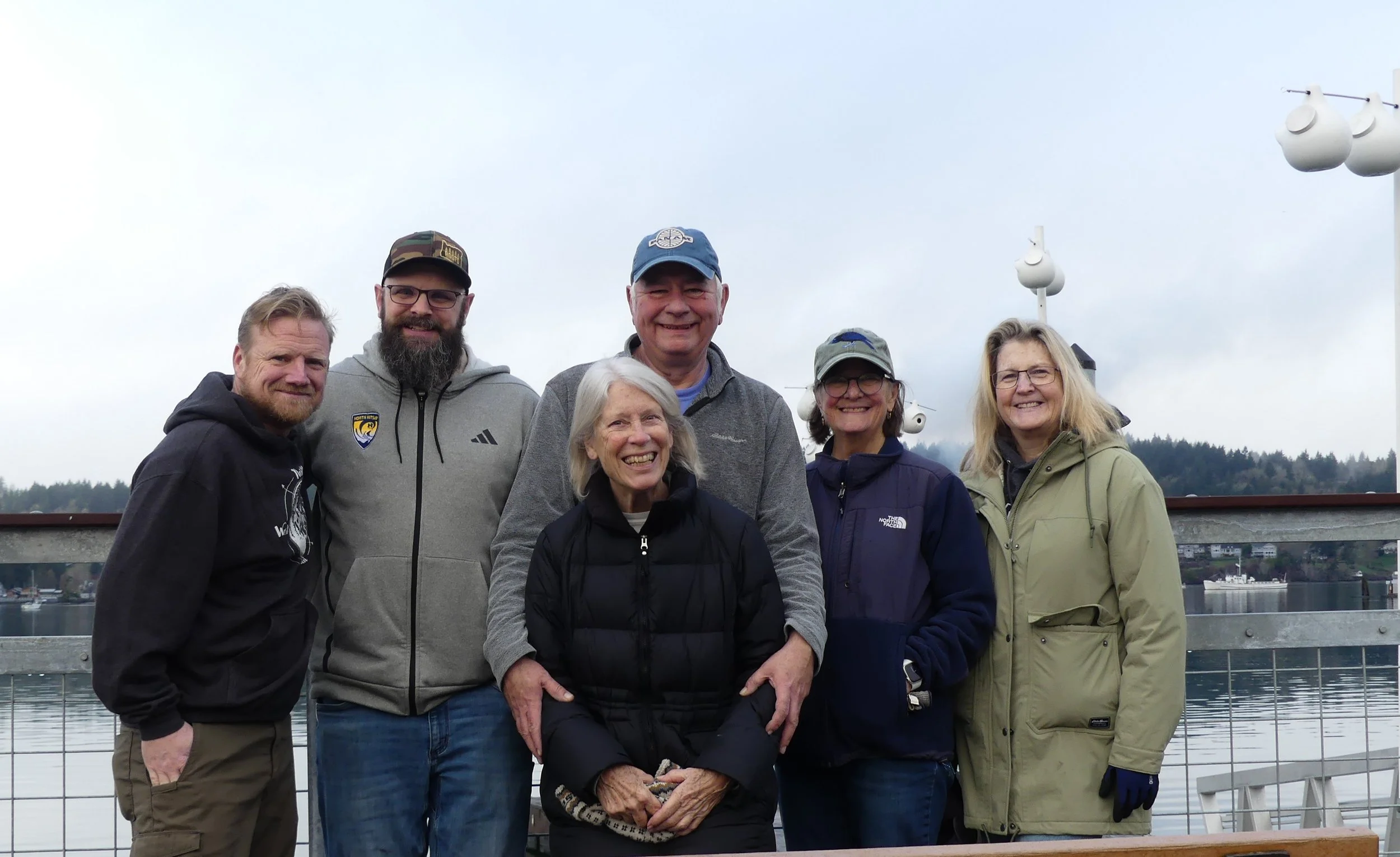
The morning started at Oyster Bay Park where a small group of volunteers gathered to prepare the Purple Martin houses for the birds that should begin arriving in the next month or so. A few longtime stewards walked us through the work they’ve been doing for many years — cleaning out old nesting material, checking the compartments, and making sure everything is ready for the upcoming season.
Purple Martins are remarkable travelers. The birds that will soon arrive here in Kitsap County are currently finishing their winter in South America, some traveling thousands of miles to return to the same nesting areas each spring. Along the West Coast, they rely almost entirely on human-provided nesting structures. Natural cavities that once existed in old snags or pilings are far less common today, so these houses have become critical to the species’ success in our region.
Standing there learning the history of the houses and hearing the stories of the people who’ve been caring for them for years was a good reminder that birding isn’t just about watching birds — it’s also about the quiet work people do behind the scenes to help them thrive.
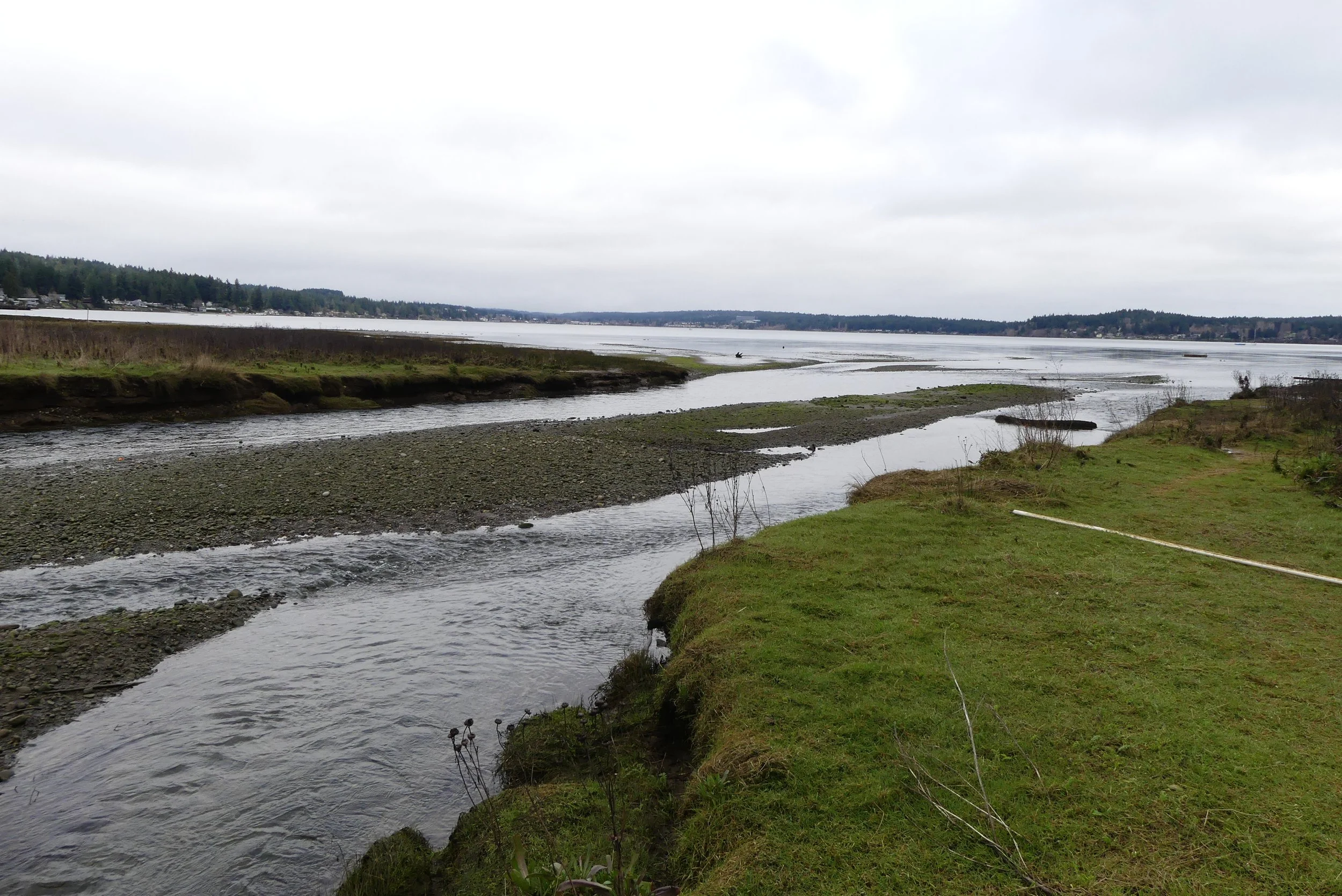
On the drive home I decided to finally stop somewhere that has been on my mental list for years. It’s a place I’ve driven past countless times and occasionally glimpsed birds from the road, but never properly explored: where Chico Creek flows into Dyes Inlet.
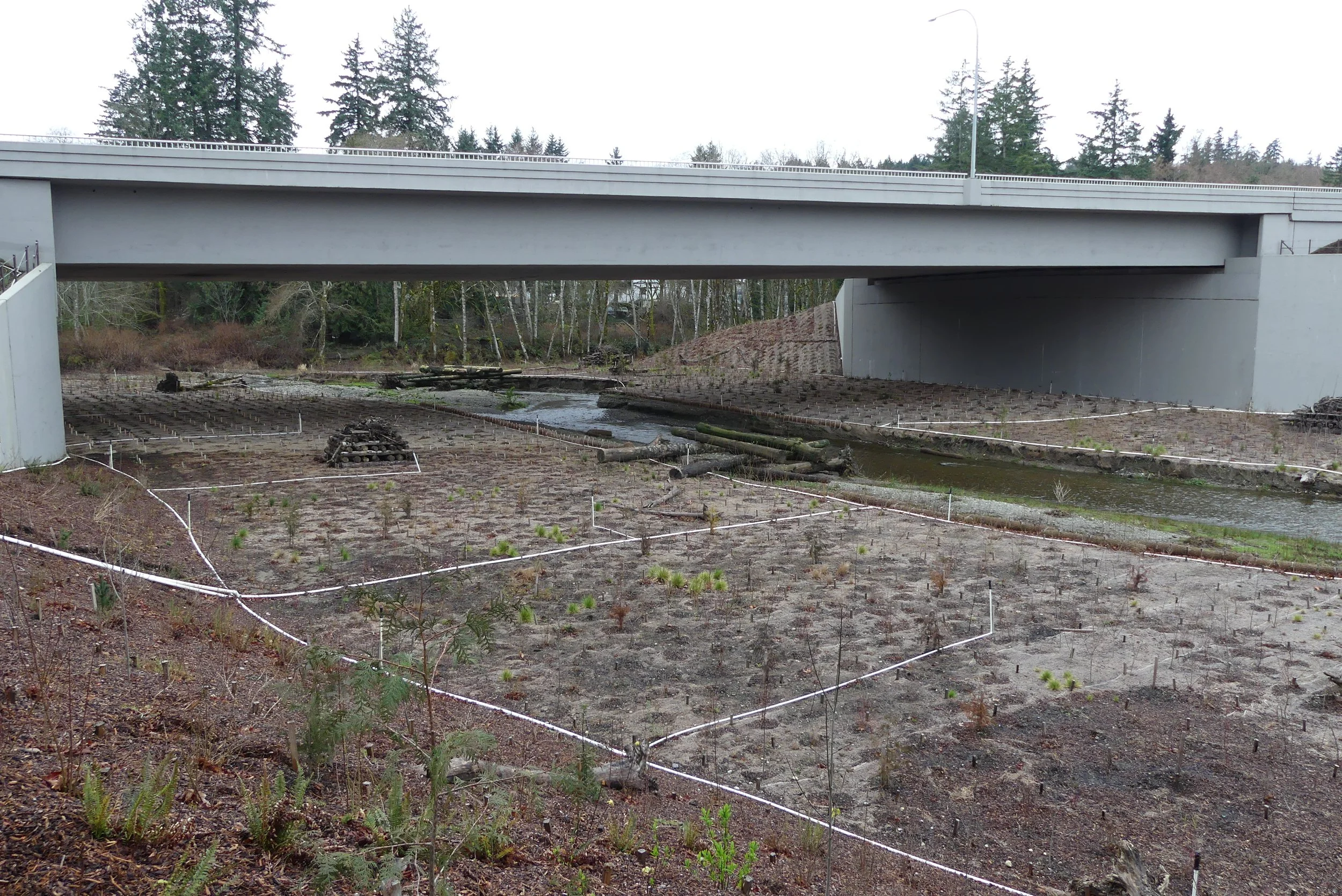
Over the last decade, the Suquamish Tribe and Kitsap County have been working to restore Chico Creek and its estuary. One of the biggest changes was removing the Kittyhawk Drive road fill and culvert that once covered the creek’s mouth. Before that, several projects upstream replaced aging bridges with fish-friendly designs, restored sections of streambank, and protected natural areas along the creek, including the 30-acre Erlands Point Park. The newer bridge now allows the creek to flow naturally all the way up toward the park, opening the habitat again for salmon and countless other species.
I had seen photos of the work, but it was still surprising to stand there and see how different it feels now. The creek moves freely beneath the highway. Native plants are filling back in. What might have once felt like a forgotten roadside crossing now feels like a place returning to itself.
After exploring the creek mouth, I continued over to Erlands Point Park. I had known about the small pond there but had no idea how extensive the trail system is along the creek. The pond itself shows clear signs that beavers have been busy lately, and while wandering the woods I even managed to find a trail connecting the park back toward the creek mouth. It immediately struck me as the kind of route that could make for a great birding walk in the future.
And of course, the birds were there the whole time.
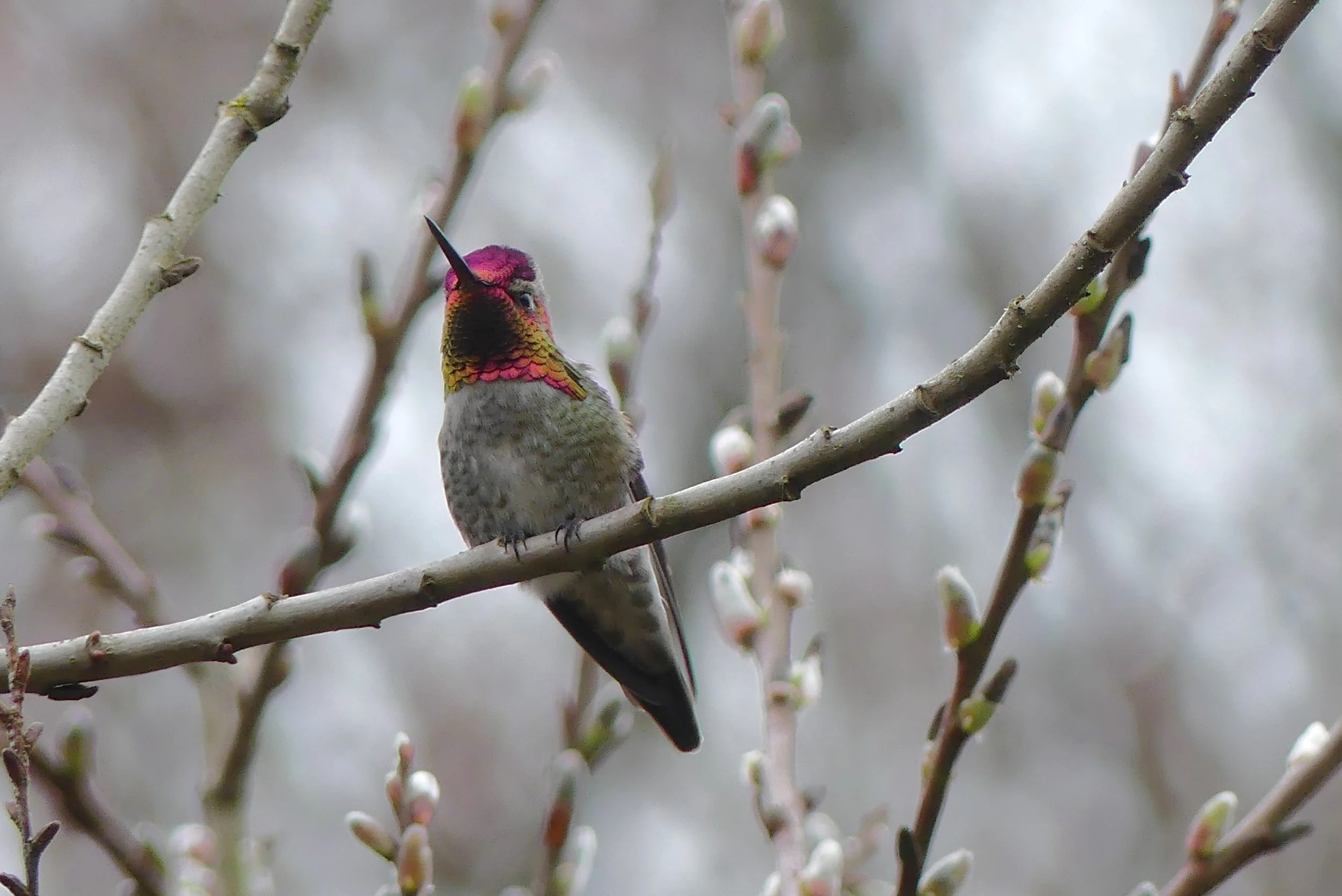
A Belted Kingfisher flew from the creek mouth and worked its way upstream ahead of me. At the inlet, shorebirds gathered along the mud — Killdeer, Dunlin, and a single plover mixed in. An Anna’s Hummingbird flashed its vibrant pink in the sunlight.
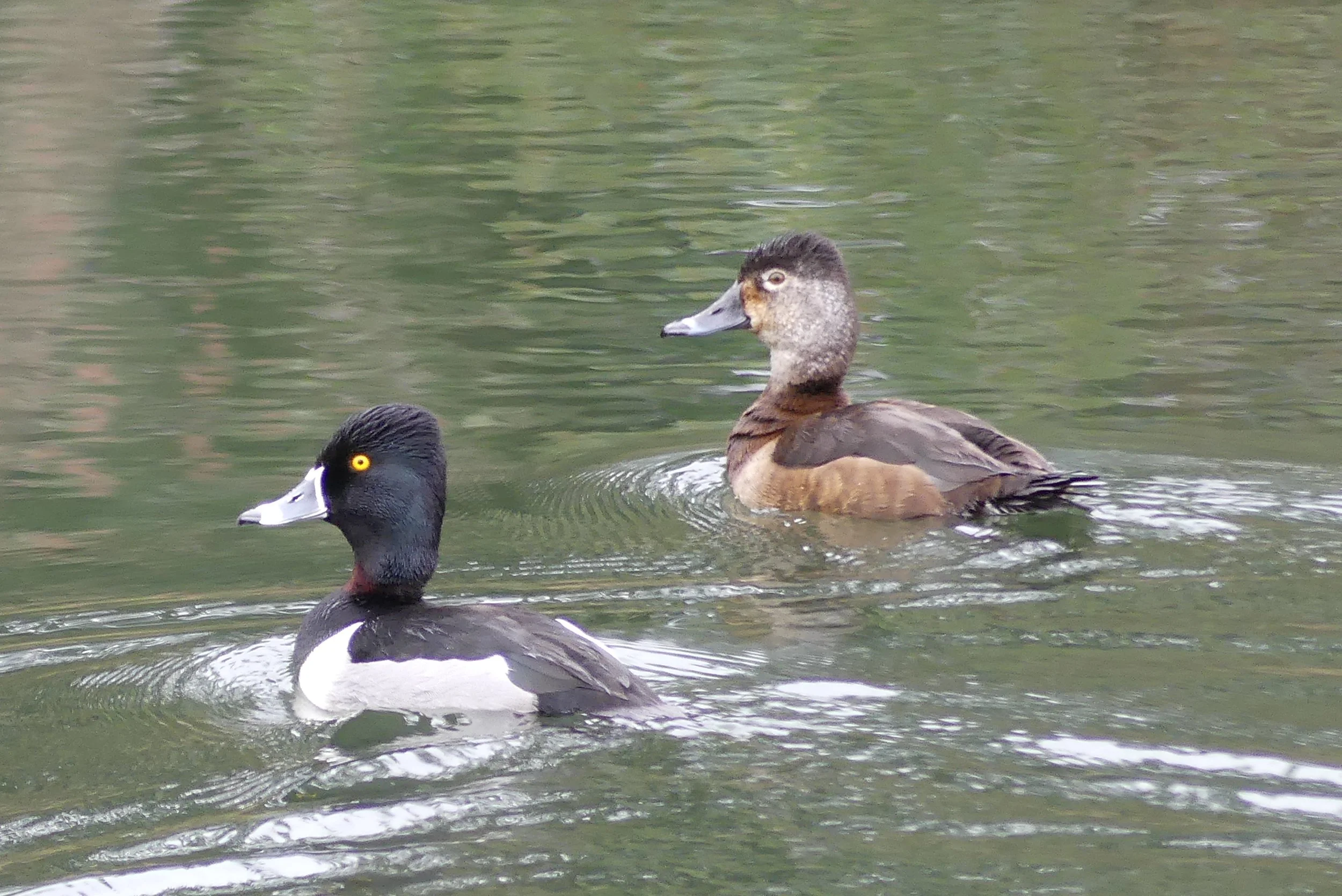
My favorite sighting of the afternoon came quietly at the pond: a male and female Ring-necked Duck swimming together in the still water.
Some places take years to finally explore. When you finally do, they sometimes end up being even better than you imagined.
Field Notes
Location: Chico Creek Mouth & Erlands Point Park, Bremerton
Date: Saturday, early March
Habitat: Restored creek mouth, estuary, pond, and surrounding riparian trails
Conditions: Mild, partly sunny
Species observed
Belted Kingfisher
Killdeer
Dunlin
Black-bellied Plover (single individual)
Anna’s Hummingbird
Ring-necked Duck (pair)
Other observations
Evidence of beaver activity at pond
Restored creek channel flowing freely beneath highway
Shorebird activity at the inlet mudflats