Where Old Ground Becomes New Again
It’s funny how a place can change once you start paying attention.
I spent five years living in Texas, but at the time I wasn’t a birder. I moved through those landscapes without noticing much at all. Looking back now, I realize how many birds must have been right in front of me.
My wife is from Texas, so we still make one or two trips back each year. Now that birding has become part of how I move through the world, those visits feel completely different. Each trip is a chance to see familiar places again—and usually add twenty or thirty species to my yearly list.
I’ll admit I’m an avid lister. For me, there’s real satisfaction in keeping track of what I’ve seen—how many species in a year, how many in a particular place. My life list is something I update diligently. It’s not about competition as much as the quiet joy of building a record of experiences over time.
When I travel outside my local area, I like to go in prepared. If it’s somewhere completely new, I might read ahead or pick up a field guide, the way I did before trips to Thailand or Mexico. If it’s a place I’ve visited before, I’ll usually check recent sightings and look at which uncommon birds have been reported.
But I’ll also pick out a target bird or two—a potential lifer that feels realistically within reach. Nothing too ambitious. Sometimes it’s even a species that’s fairly common in the area but one I simply haven’t crossed paths with yet.
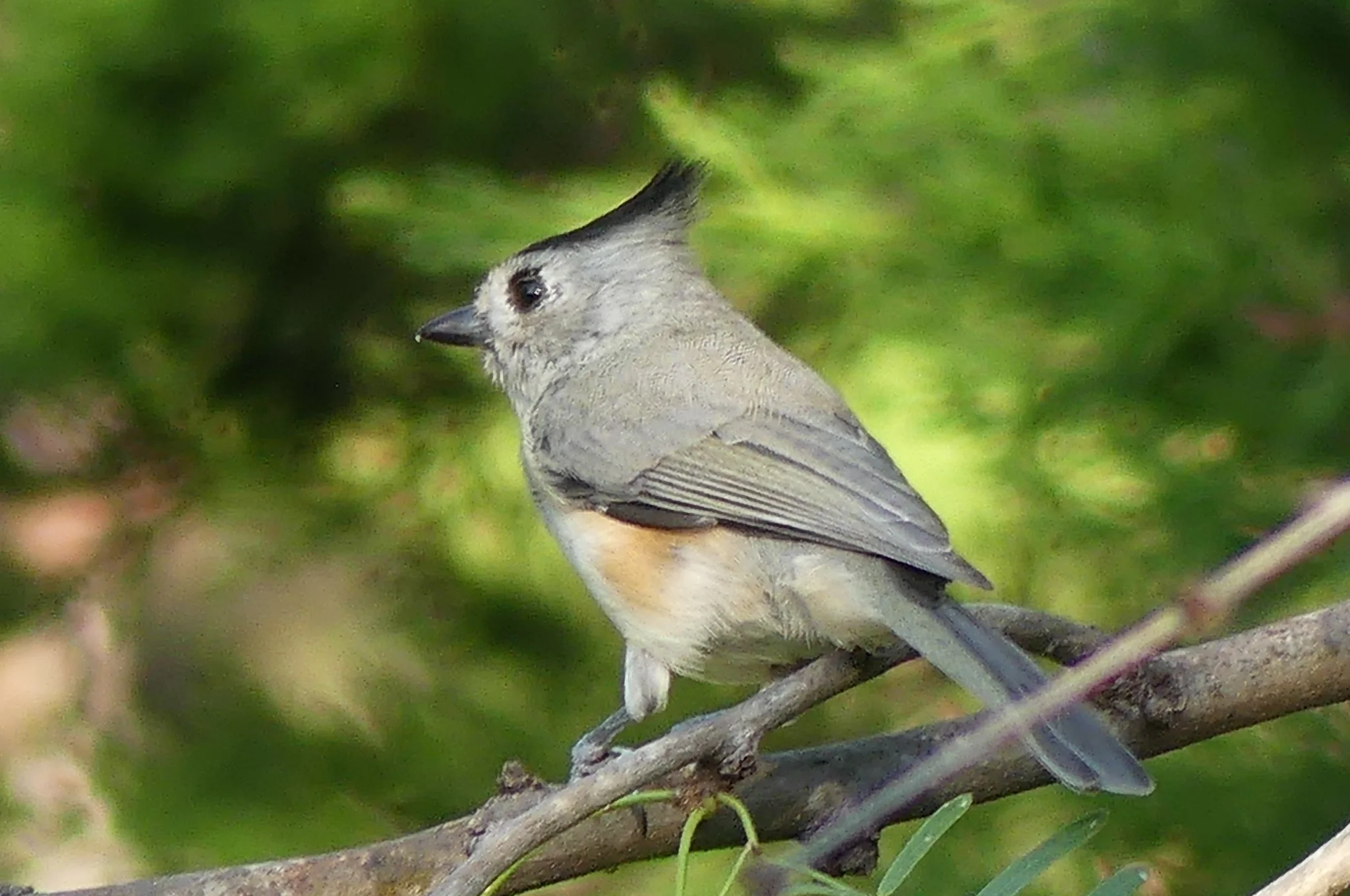
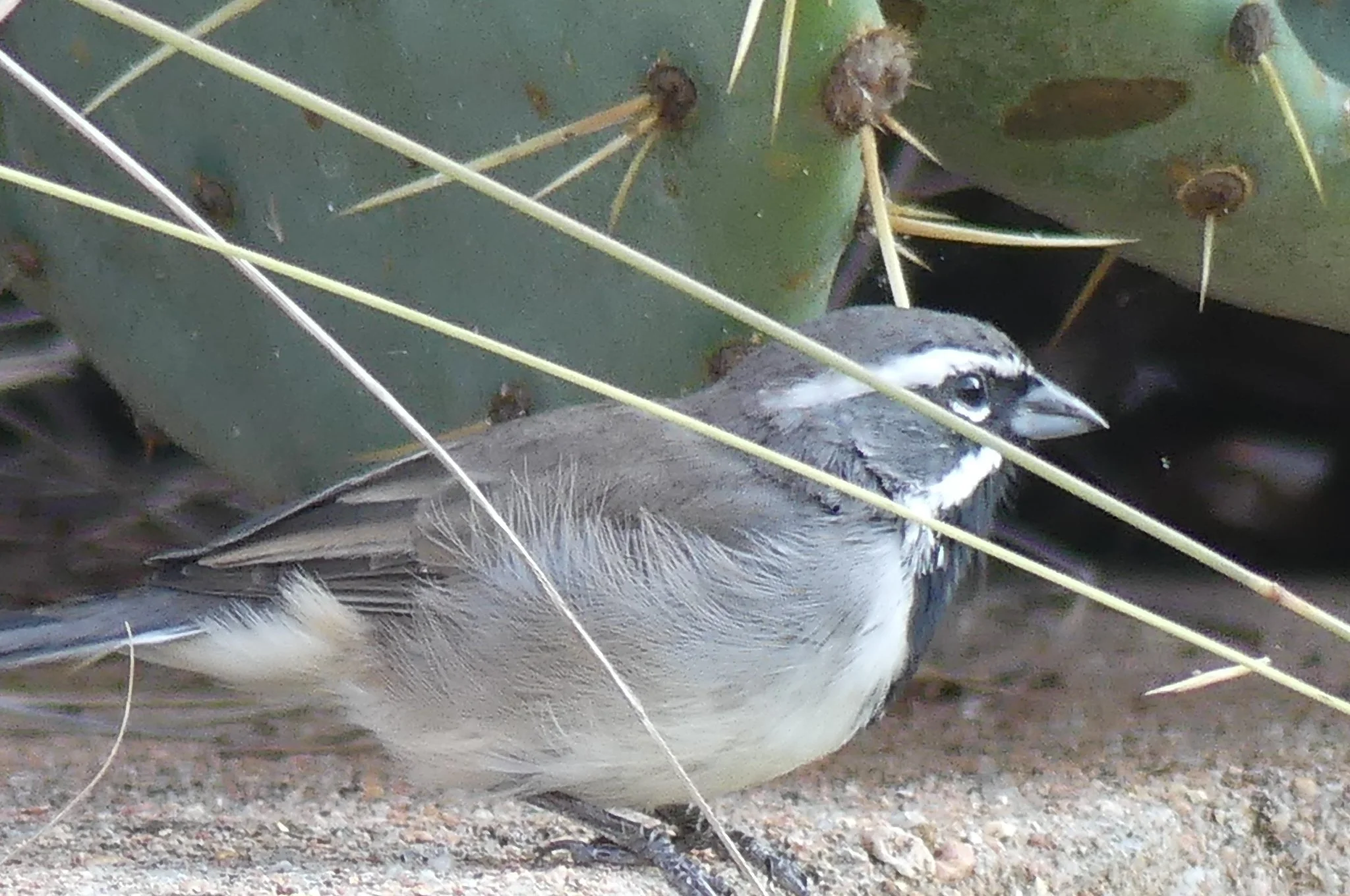
During last September’s trip, the usual Texas suspects showed up easily enough: Black-crested Titmouse, Black Vulture, Scissor-tailed Flycatcher, Carolina Wren, and Green Heron. I even know a reliable spot where I can usually find a Black-throated Sparrow.
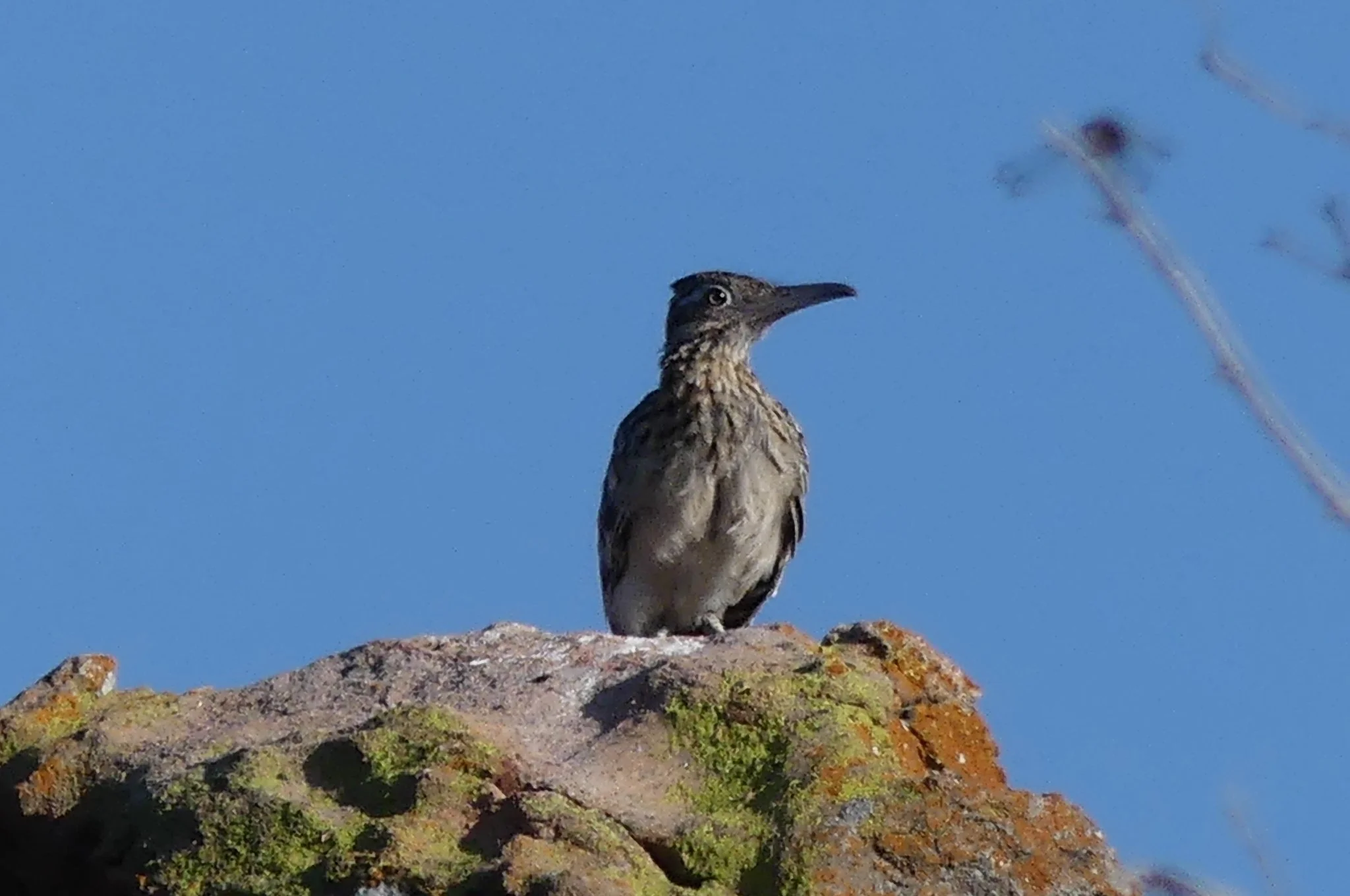
This time, though, my goal was the Greater Roadrunner.
Not only did I find it—I came across one twice, in two completely different spots.
Moments like that never get old.
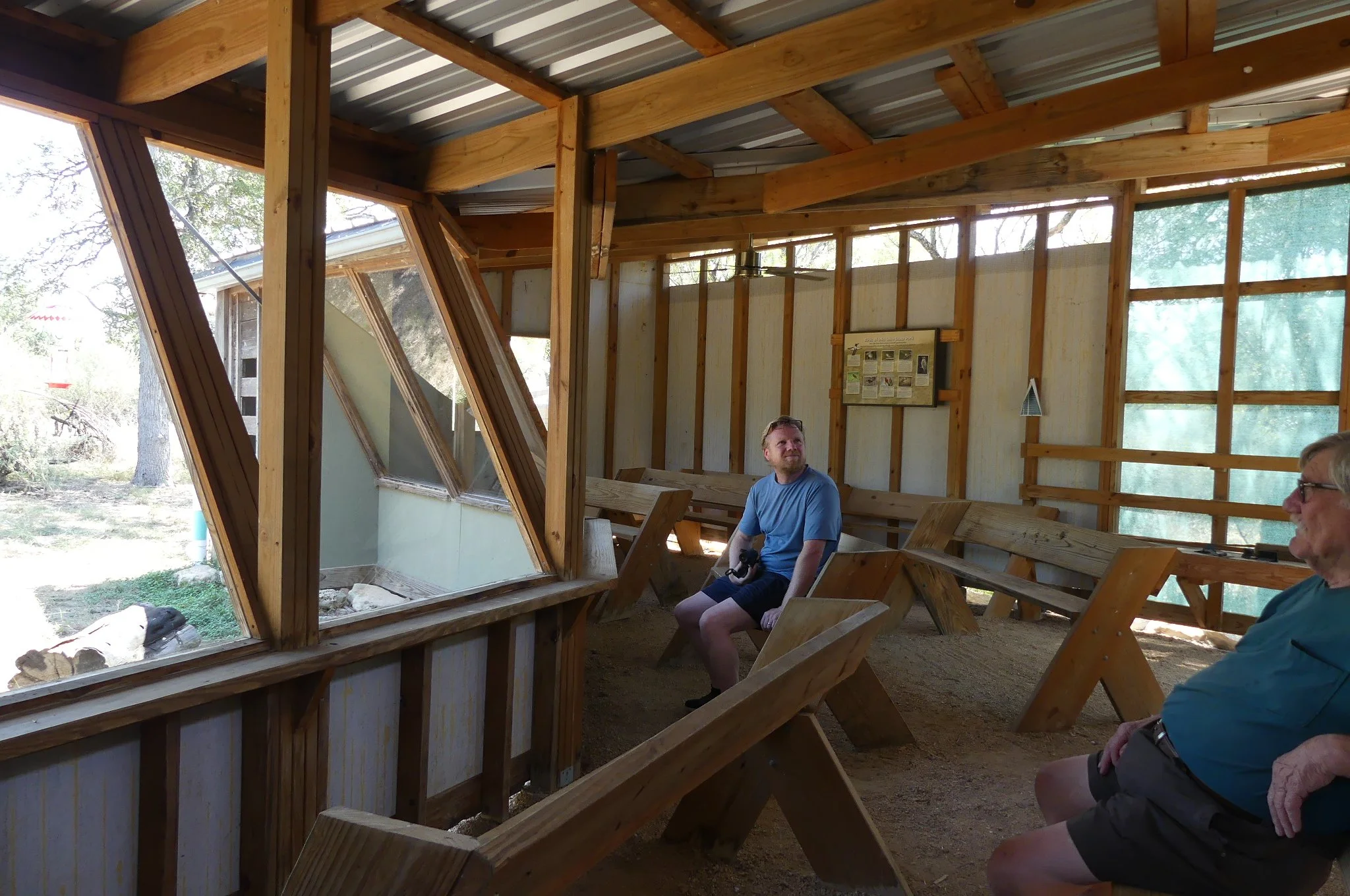
I love exploring my home region and slowly learning the ins and outs of Washington birds. But it also makes me smile knowing that there’s a place in Texas—the Inks Dam National Fish Hatchery—that I’ve come to know almost as well as some of my local birding spots.
When I visit, I know I’ll see a few familiar birds. And most years, I know there’s a good chance I’ll meet someone new.
The first year it was a Vermilion Flycatcher.
The second year, a Rufous-crowned Sparrow.
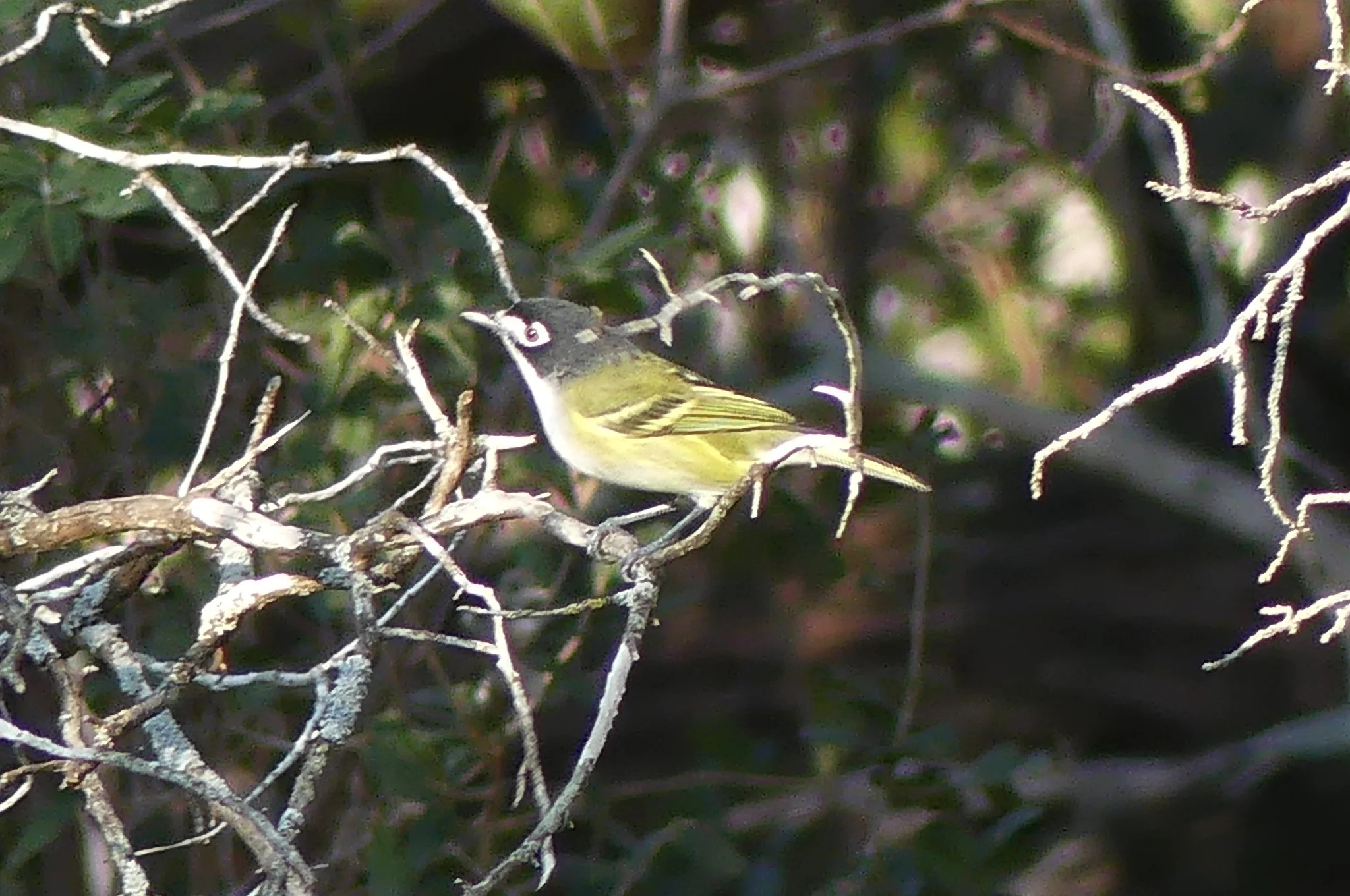
And the third year, a White-eyed Vireo.
Not bad for a place I once walked through without noticing a thing.
Field Notes - Hill Country, Texas
Location: Inks Dam National Fish Hatchery, Burnet County, Texas, USA
Date: September 2025 (observations across multiple visit)
Habitat: Hill Country riparian woodland, open scrub, ponds, and fish hatchery grounds along the Colorado River
Conditions: Warm late-summer heat, generally clear skies with light breeze
Key Species:
Greater Roadrunner
Black-crested Titmouse
Black-throated Sparrow
Scissor-tailed Flycatcher
Carolina Wren
Green Heron
Black Vulture
Summer Tanager
Black-chinned Hummingbird
Lesser Goldfinch
Ladder-backed Woodpecker
Notable Sightings (Past Visits):
Vermilion Flycatcher, Rufous-crowned Sparrow, White-eyed Vireo
Observations:
Open scrub and hatchery edges make excellent habitat for flycatchers and sparrows, while the ponds and river edges attract herons and other waterbirds. The surrounding Hill Country vegetation provides a mix of perches and cover that supports both resident species and seasonal surprises. The area has proven to be a reliable stop for adding a new species to my list on each visit.