Learning to See a Familiar Place Again
I've walked the trails at Theler Wetlands more times than I can count.
It's probably the place I've visited most often since I began birding in Washington. I've come here for migrating shorebirds, secretive rails, nesting swallows, peaceful walks, and quiet mornings with my camera. Familiarity has a way of making a place feel permanent, as though it has always existed exactly as you experience it today.
This week reminded me how wrong that assumption can be.
A few years ago, I completed the Washington Naturalist certification through Washington State University. Over several months, the program introduced me to subjects I probably never would have explored on my own—stream ecology, watersheds, oceanography, native plants, ecosystems, and the countless connections between them.
Like many good intentions, those subjects slowly gave way to work, responsibilities, and life. I never lost my curiosity—I just stopped making time to feed it.
Thankfully, the Washington Naturalist coordinators continue to offer educational events for former participants. I can't attend nearly as many as I'd like, but whenever one happens nearby, I try to make the time.
This week's outing brought me back to Theler.
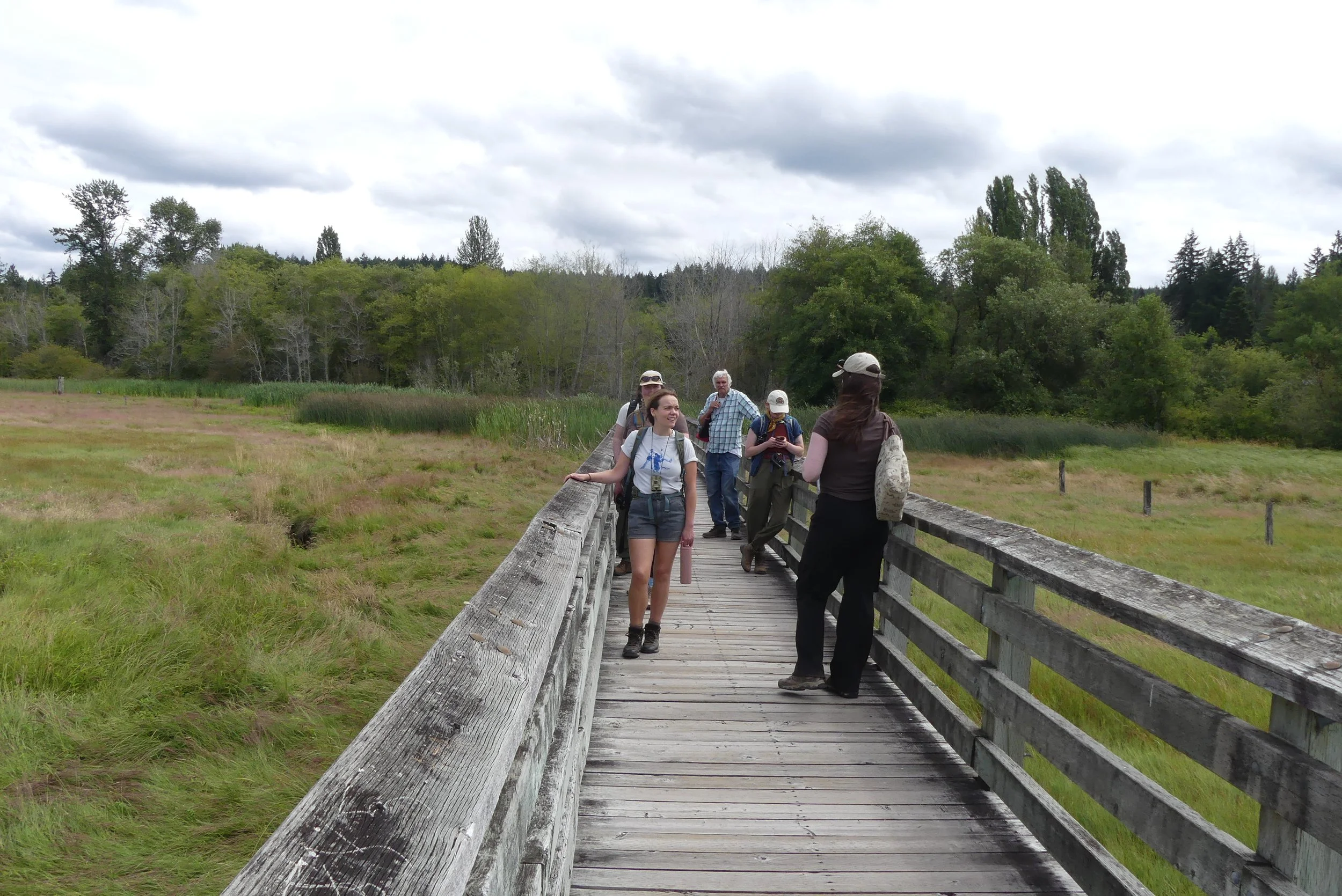
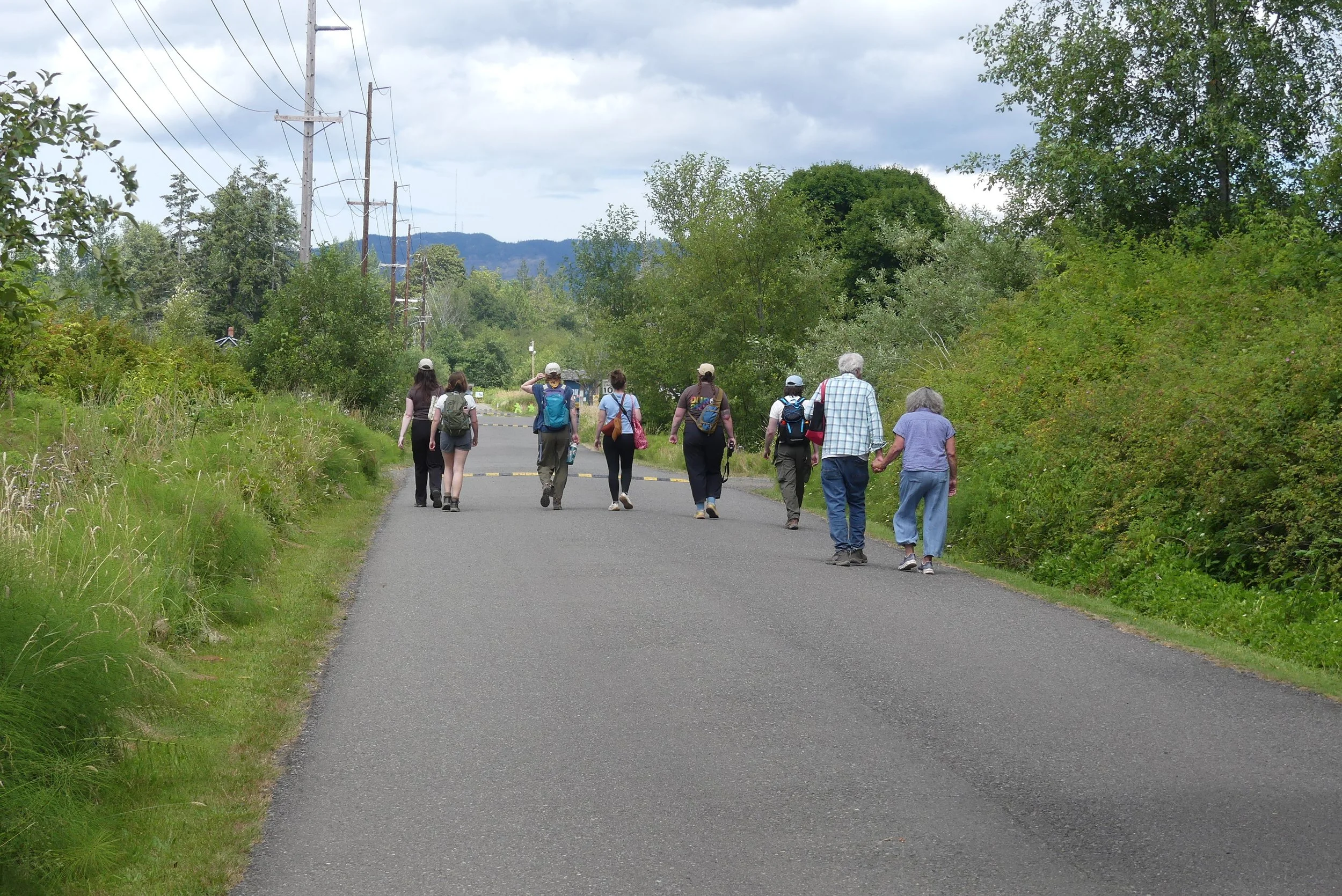
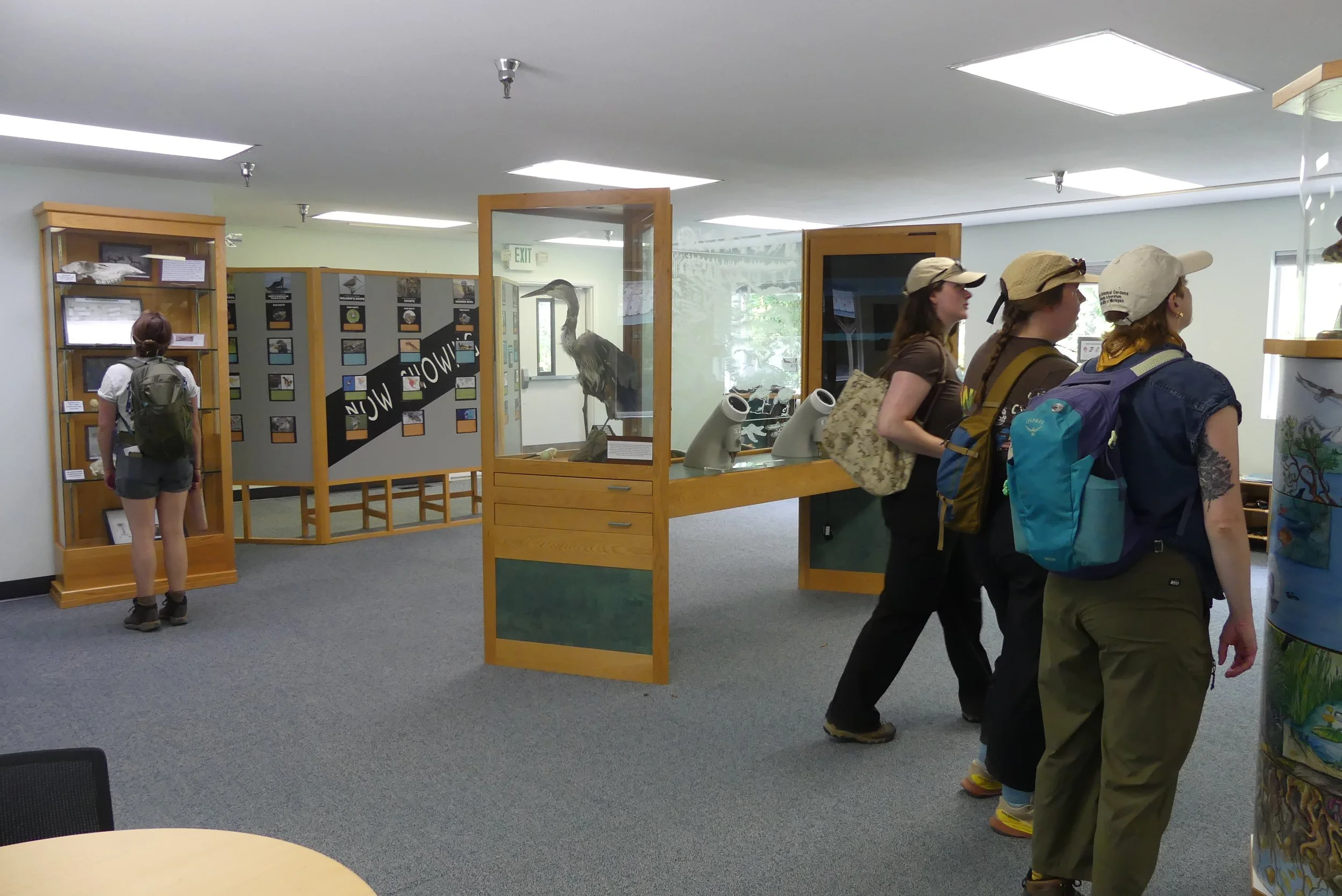
Kellee Byard, WSU Washington Naturalist coordinator, organized a field walk led by Olivia Barton, AmeriCorps Environmental Educator with the Hood Canal Salmon Enhancement Group. As we wandered the wetlands, Olivia shared the history of the property, explained the restoration work that has taken place, and encouraged us to look beyond the birds to better understand the landscape itself.
One photograph changed the way I viewed everything around me.
Years ago, this wasn't a wetland.
It was farmland.
To keep the land dry enough for cattle, dikes had been built to block the river's natural flow. Looking at the old photograph, it was difficult to imagine the place I know today.
Then the restoration began.
The dikes came down.
Nature didn't need someone to redesign the landscape. It simply needed someone willing to let the river be a river again.
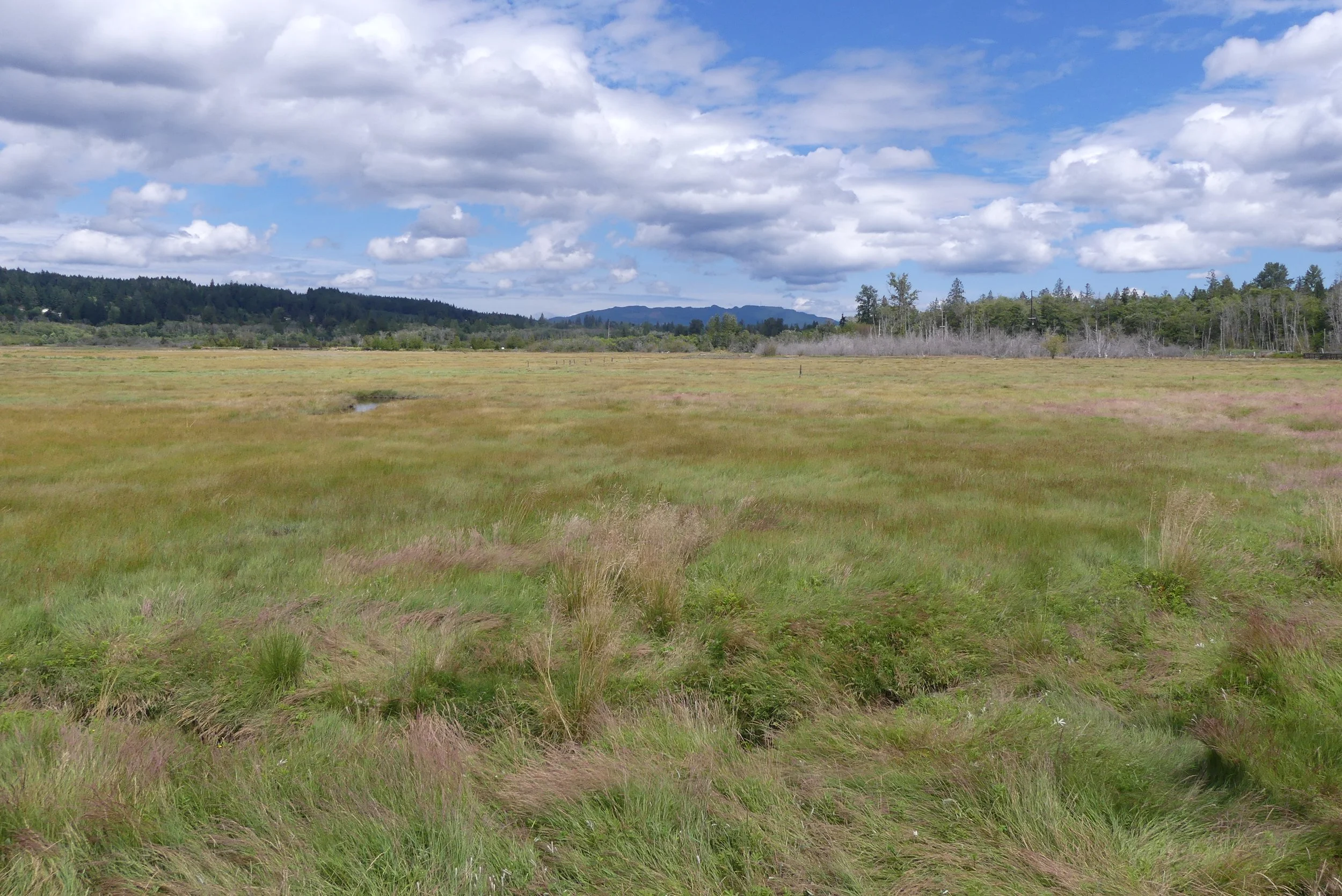
Over time, the river reclaimed its floodplain, carving new channels across the land. Native vegetation slowly returned. Marshes formed once again. Habitat that had disappeared for decades began to rebuild itself.
Standing there, I found myself imagining that transformation unfolding year after year.
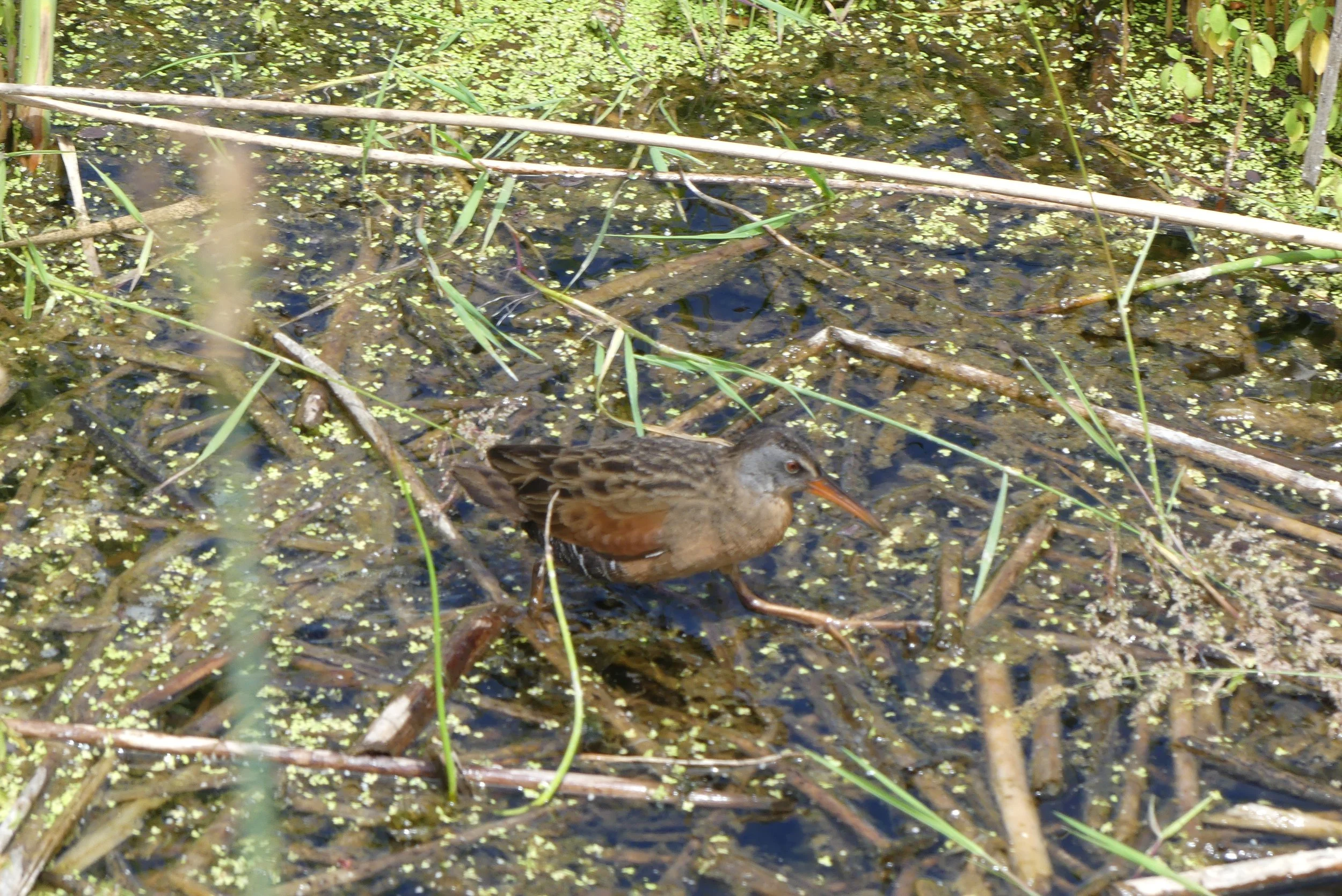
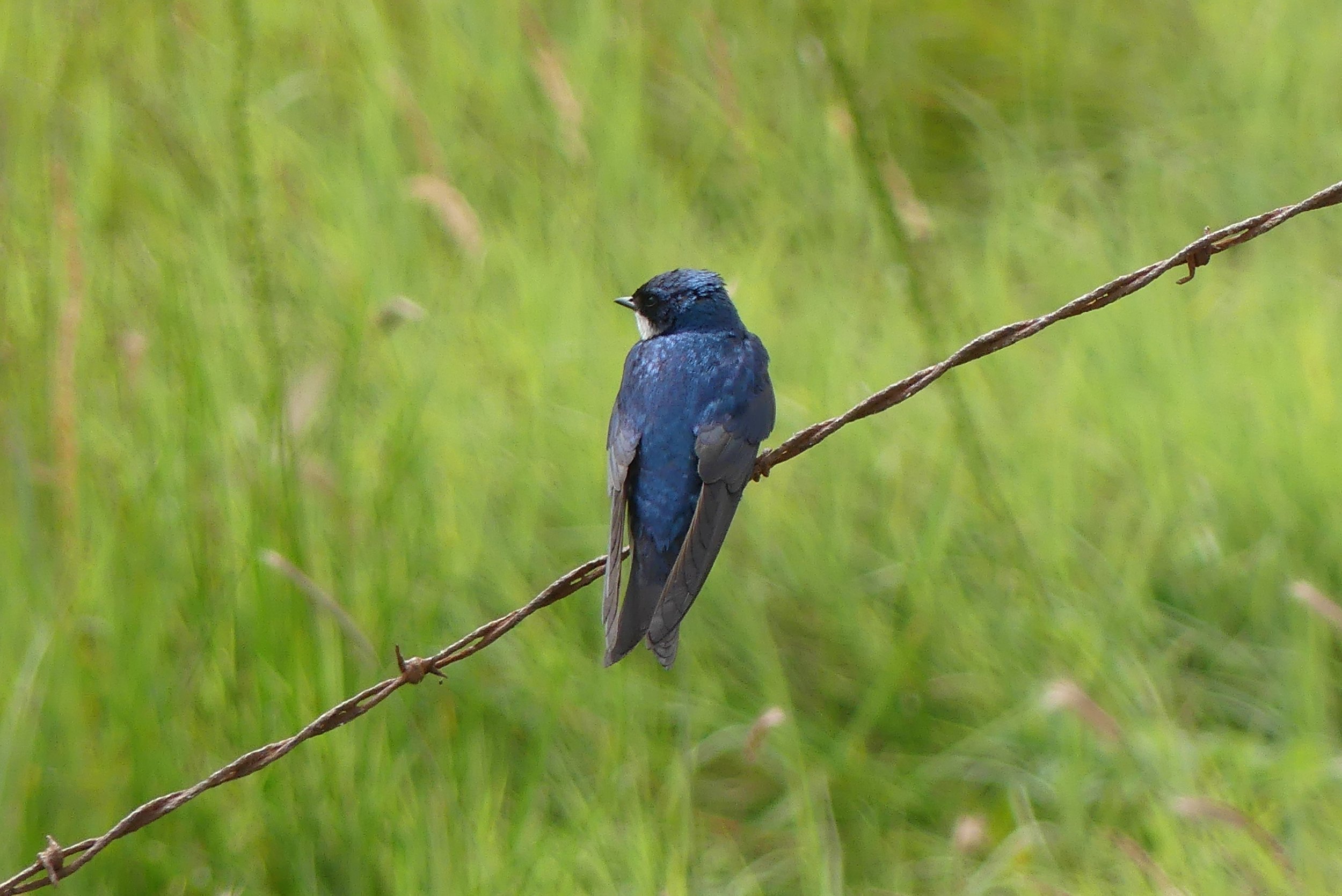
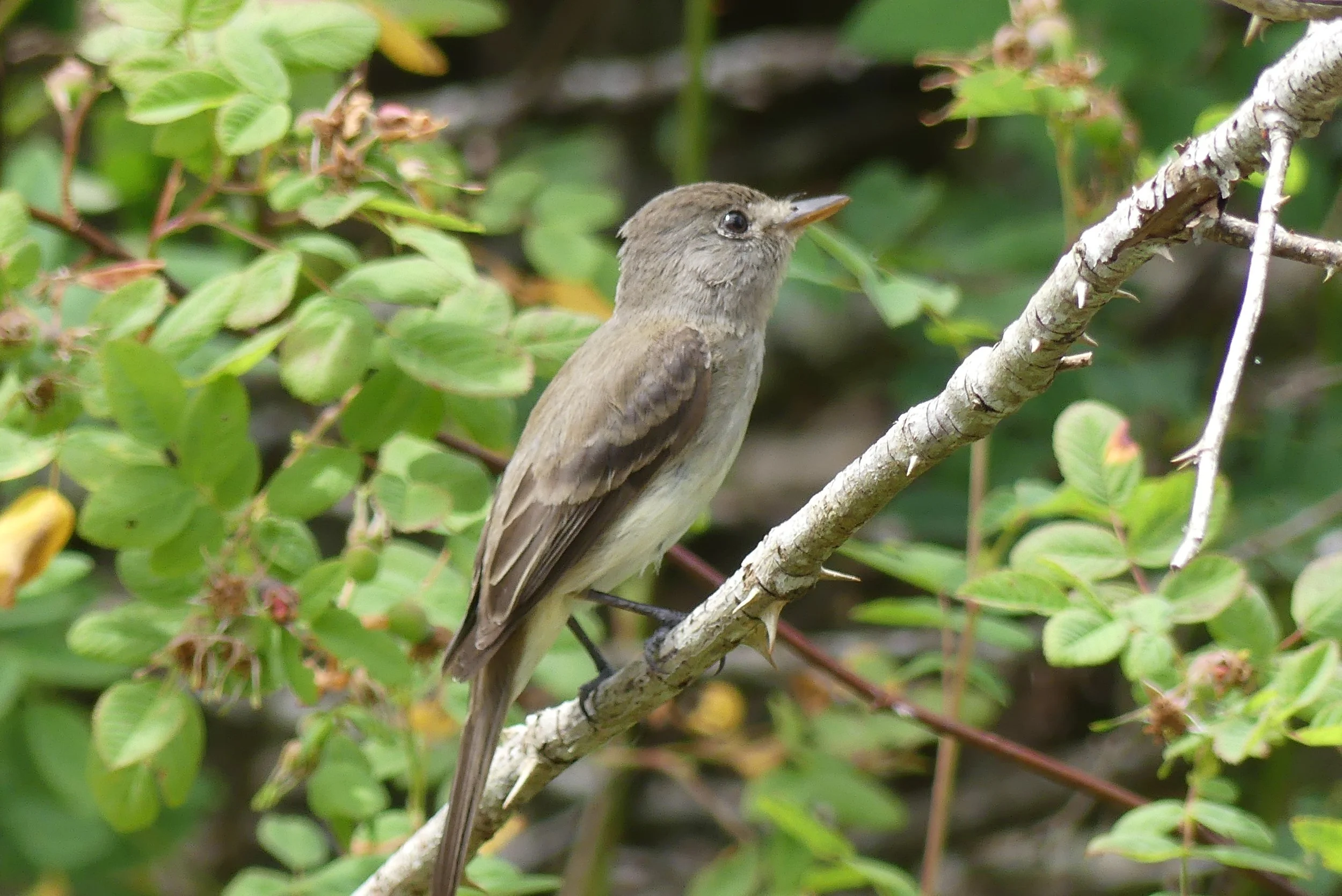
I've walked these trails enough times that I almost expect to see the familiar residents—sandpipers probing the mud, Great Blue Herons stalking the shallows, swallows filling the sky, Virginia Rails calling from hidden reeds, Western Wood-Pewees singing from nearby trees, and ducks scattered across the ponds.
What I hadn't fully appreciated was that not long ago, many of those species simply didn't have this place.
The habitat they depend on had been changed.
Someone chose to restore it.
That realization gave me a renewed appreciation for the people who dedicate their lives to conservation. Restoration isn't simply removing a dike or planting native vegetation. It's years of planning, research, education, volunteer work, and a willingness to keep learning long after the project is complete. Most of that work happens quietly, and most visitors never realize how much effort went into creating the landscape they're enjoying.
As with every Washington Naturalist outing I've attended, I left with more than just new information.
I left with another memory.
On one previous field trip, a sparrow unexpectedly landed on Kellee's head, a moment we still laughed about before setting out on this walk.
This time, the wetlands rewarded us differently.
Our group watched secretive Virginia Rails emerge from the reeds, including a tiny black chick following closely behind an adult. For a bird that spends most of its life hidden from view, it felt like an extraordinary gift to witness.
Birding was the reason I first started walking these trails.
It taught me to notice the wildlife.
The Washington Naturalist program has taught me to notice everything else.
Now, when I visit Theler, I don't just see birds. I see a river reclaiming its floodplain. I see native plants returning to places they once occupied. I see decades of restoration work quietly supporting the wildlife I came to enjoy in the first place.
The birds first taught me to look.
Places like Theler continue teaching me to ask why.
And every answer makes the next walk a little richer than the last.
Field Notes - Theler Wetlands
Location: Theler Wetlands, Belfair, Washington
Date: July 2026
Habitat: Restored estuary, freshwater marsh, riparian forest, and tidal wetlands
Conditions: Warm summer afternoon; Washington Naturalist field excursion with guided interpretation
Naturalist Notes
Explored the restoration history of Theler Wetlands and learned how dike removal allowed the river to reclaim its natural floodplain.
Compared historical photographs of the former farmland with today's restored estuarine habitat.
Discussed the interconnected roles of watersheds, native vegetation, salmon habitat, and wetland ecology.
Observed Virginia Rails, including a newly hatched chick, offering a rare glimpse into a species more often heard than seen.
Reflected on how understanding a landscape's history deepens appreciation for the birds and wildlife that now depend on it.
Enjoyed this field note?
Subscribe below for occasional observations and reflections from The Perch & The Path.